
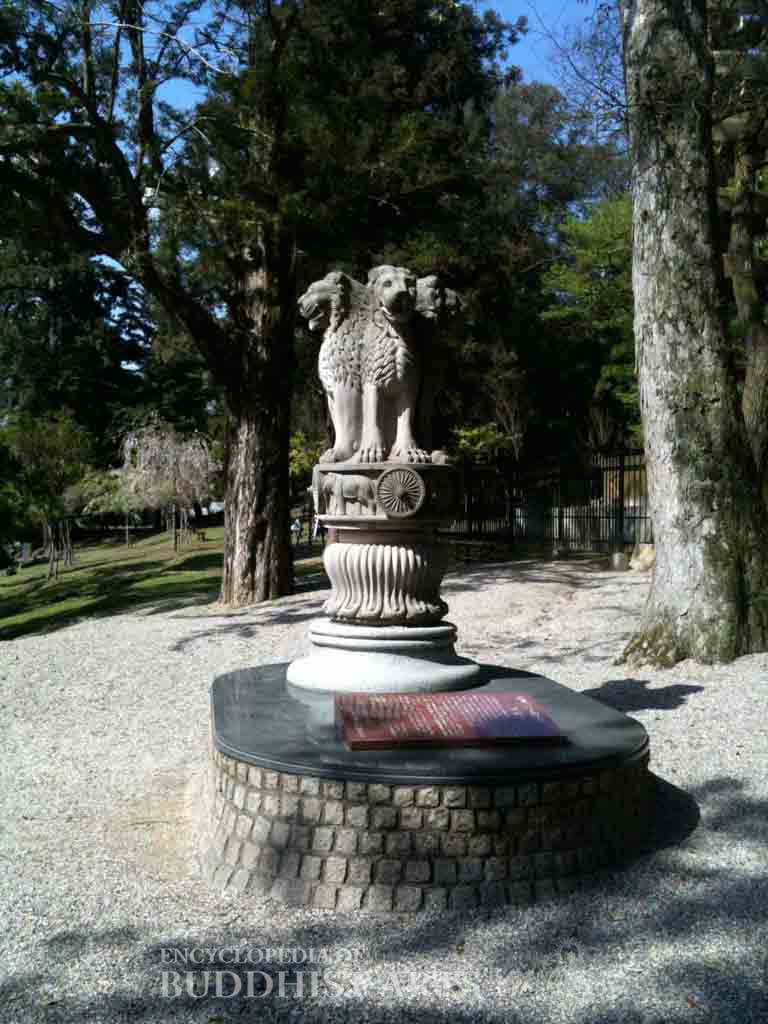
Asoka Pillar Capital by King Asoka; Maurya period
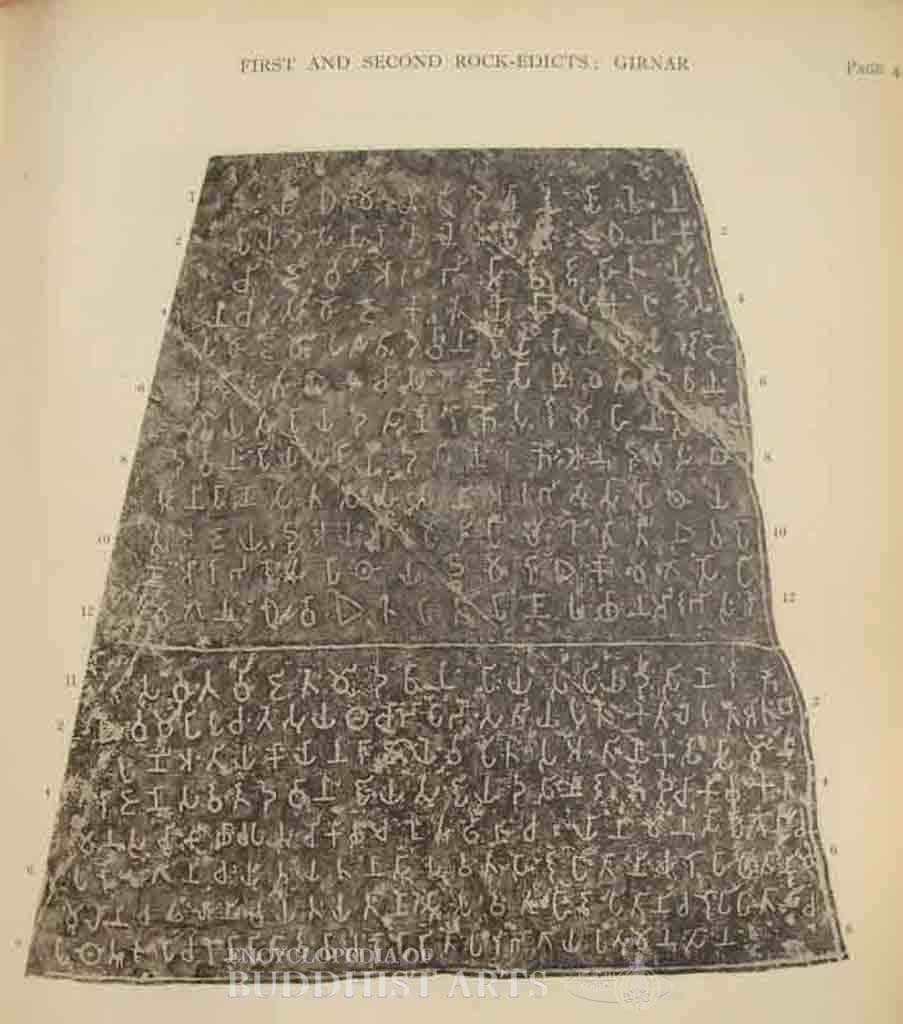
Inscription of Edicts by King Asoka (detail); Maurya period
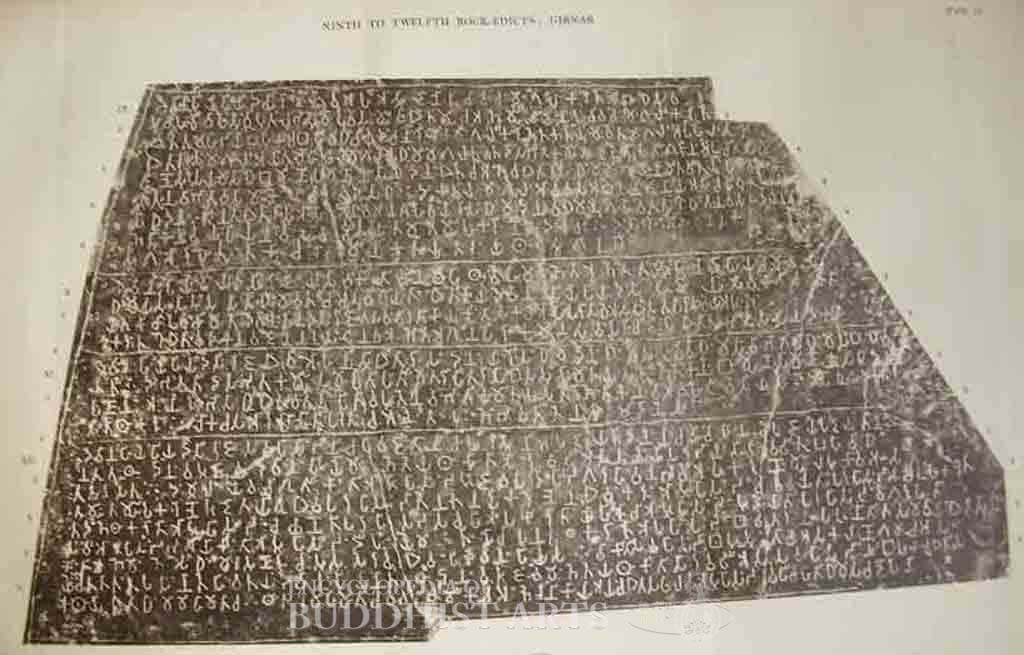
Inscription of Edicts by King Asoka (detail); Maurya period
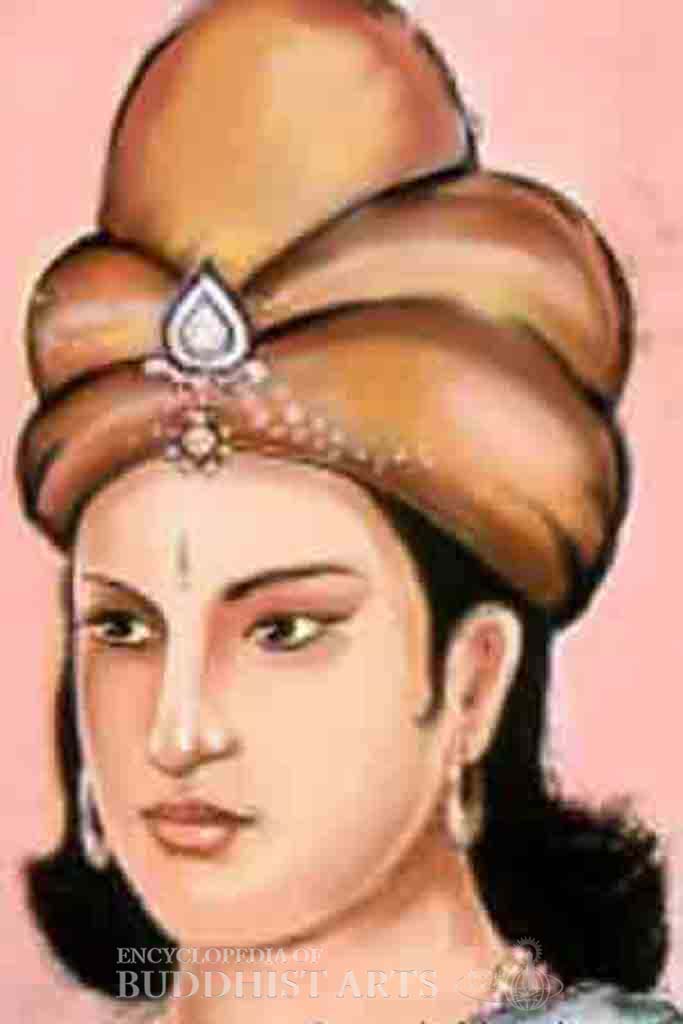
King Asoka
King Asoka
INDIA; Maurya period
Commonly known as Asoka the Great, King Asoka was an Indian emperor of the Maurya dynasty (circa 321–185 BCE). He ruled nearly the whole of the Indian subcontinent between circa 269 BCE and 232 BCE. Around 260 BCE, he conquered the state of Kalinga, but after witnessing the great number of deaths that were wrought by him, he gradually converted to Buddhism. He became dedicated to the propagation of Buddhism, making sure of its spread throughout the lands that he conquered. Asoka replaced the notion of divine kingship with Buddhist kingship, and under this model, subsequent kings sought to legitimize their rule by supporting and earning the approval of the Buddhist Sangha. This led to a close association between the monarchy and religious hierarchy.
During his rule, the capital city of Pataliputra, originally built by King Ajatasatru in 490 BCE, reached its pinnacle in prosperity. It was the largest city in the world at that time, with a population of 150,000 to 300,000 inhabitants. Asoka is perhaps most well-known for his construction of monuments that mark several important sites during the life of Sakyamuni Buddha, including the ones at Sarnath, Lumbini, and Vaishali. According to the legends, he built 84,000 stupas enshrining the Buddha’s relics throughout India, and sent Buddhist missionaries to Central Asia and Sri Lanka. He also constructed pillars, commonly known as the Asoka Pillar, throughout India and Southeast Asia inscribed with edicts that he wanted his people to follow. Although Asoka did not leave behind records of his reign, making research on him difficult, his legacy was revealed by other important monuments credited to him such as the Sanchi Stupa and the Mahabodhi Temple. Asoka is also recorded in Buddhist texts such as the Ashokavadana, Divyavadana, and Mahavamsa.
For more details, go to the Encyclopedia of Buddhist Arts: People, page 139.
Cite this article:
author = Hsingyun and Youheng and Youlu and Pokorski, Stefanie and Yichao and Mankuang and Miaohsi,
booktitle = {Encyclopedia of Buddhist Arts: People },
pages = 139,
title = {{King Asoka}},
volume = 19,
year = {2016}}