
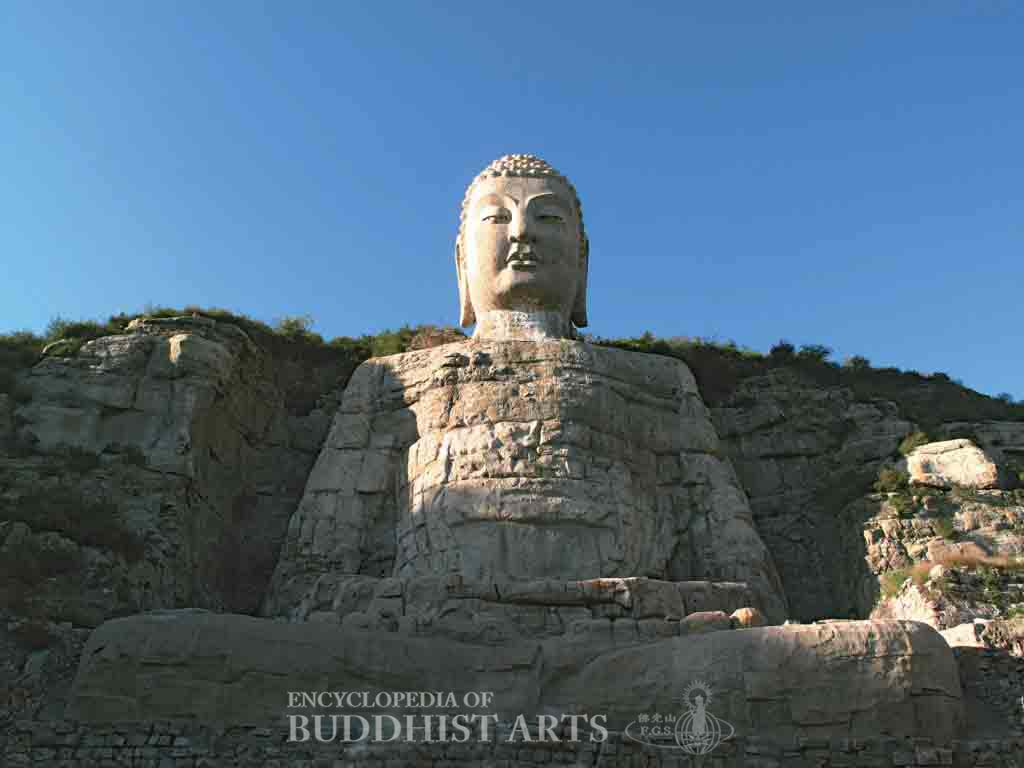
Xishan: Great Buddha
Stone
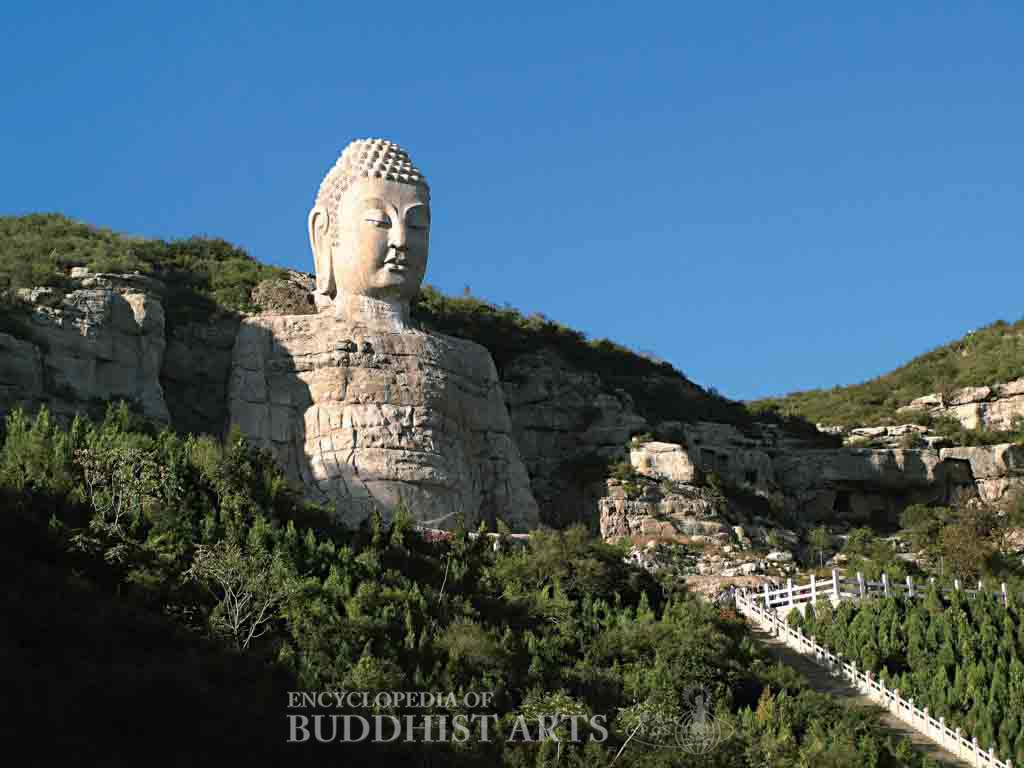
Xishan: Great Buddha
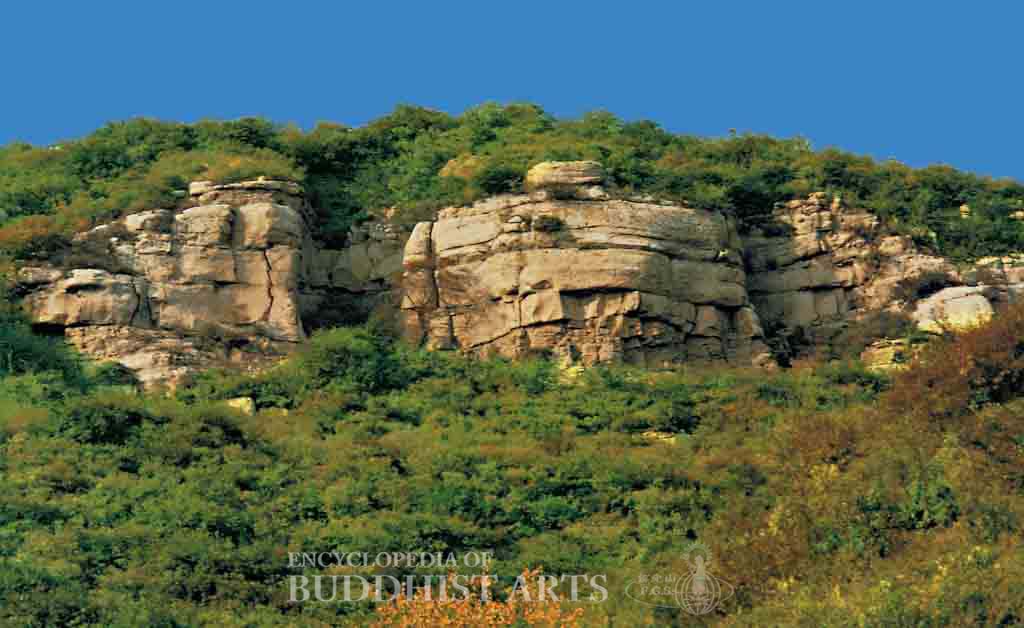
Xishan: Great Buddha (before restoration)
Xishan: Great Buddha
CHINA, Shanxi, Taiyuan; Northern Qi dynasty
Located near the north peak of Mengshan (Cloud Mountain), this statue is also known as the Mengshan Great Buddha. According to historical records, carving began in 551 during the Northern Qi dynasty and took 25 years to complete. It used to be a place where the imperial families would pay respect to the Buddha during the Northern Qi (550–577), Sui (581–618), and Tang (618–907) dynasties. A noble named Liu Zhiyuan constructed the surrounding Zhuangyan Pavilion to protect the statue in 945. However, the pavilion was destroyed during the late Yuan dynasty (1271–1368). Subsequently, the head of the Buddha statue fell off due to weathering, and most of its body eroded. Remains of the Buddha statue were found during a survey in 1980. The head and hands had been lost, but the body was still visible. Holes were found on both sides of the statue that are believed to have held the pavilion’s beams.
The restoration of the statue’s head began in 2006, and was completed in 2008. The figure is 12 m in height and depicts a Buddha with a full face, curled hair, and a round usnisa. The reconstructed head is based on a Buddha statue from the Northern Qi dynasty excavated in the 1950s.
For more details, go to the Encyclopedia of Buddhist Arts: Caves T-Z, page 1525.
Cite this article:
author = Hsingyun and Youheng and Johnson, Peter and Mankuang and Huntington, Susan and Edson, Gary and Neather, Robert,
booktitle = {Encyclopedia of Buddhist Arts: Caves T-Z},
pages = 1525,
title = {{Xishan: Great Buddha}},
volume = 9,
year = {2016}}