
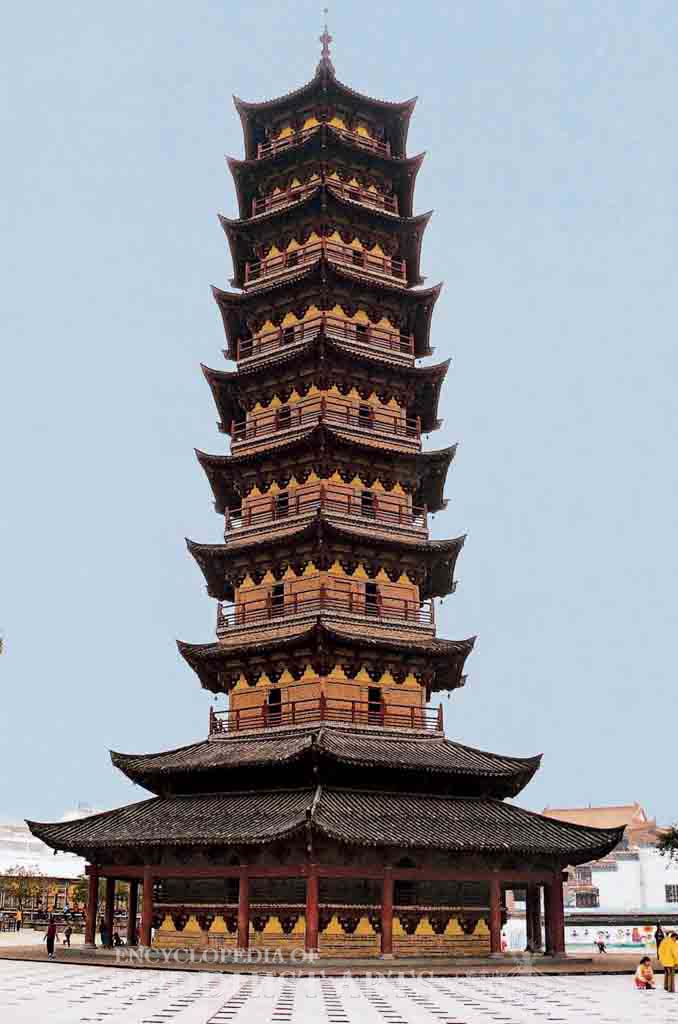
Ganzhou Pagodas: Ciyun Temple Pagoda
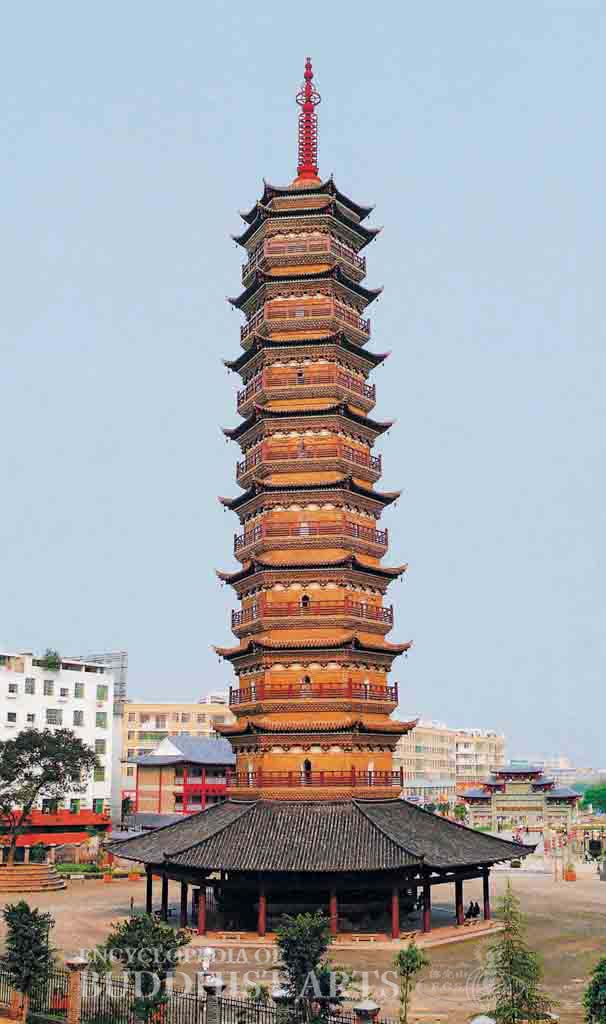
Ganzhou Pagodas: Dasheng Temple Pagoda
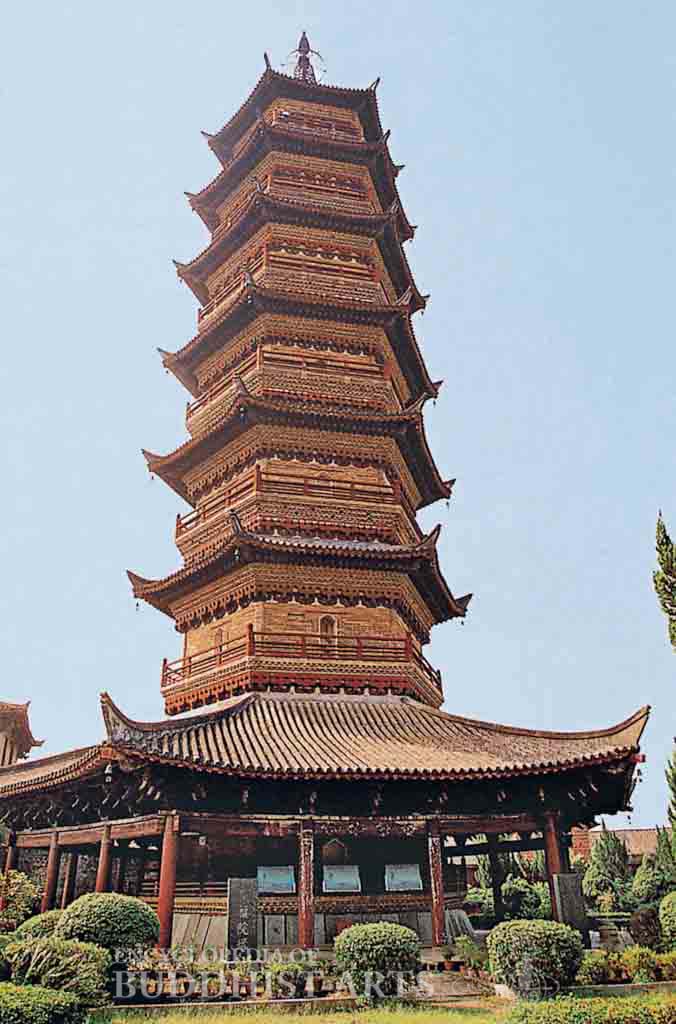
Ganzhou Pagodas: Baofu Temple Pagoda
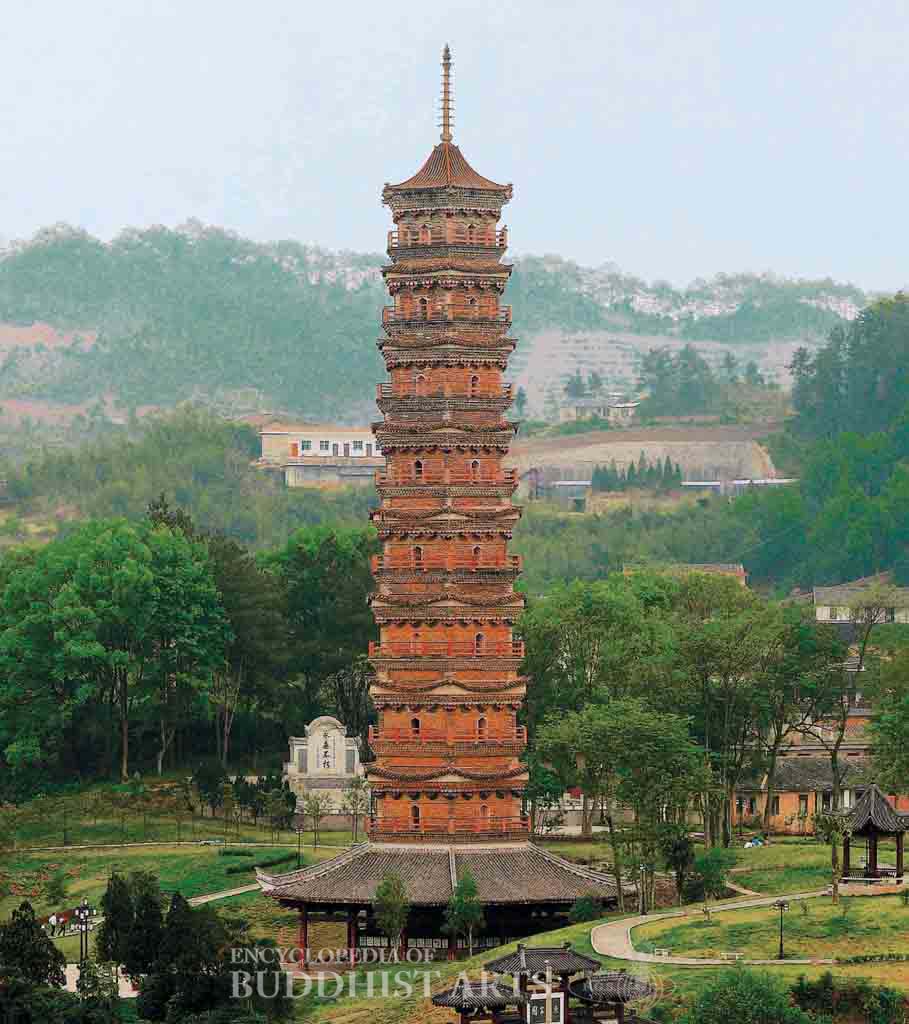
Ganzhou Pagodas: Wuwei Temple Pagoda
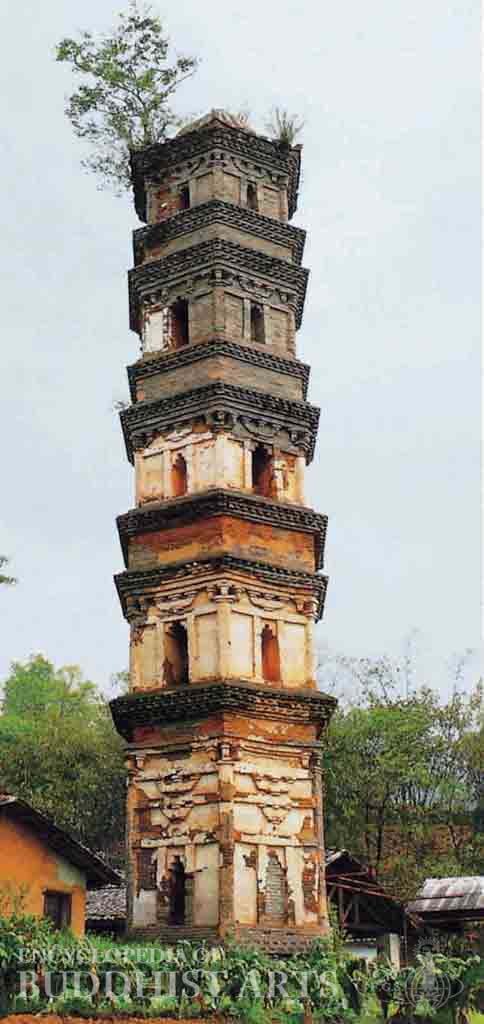
Ganzhou Pagodas: Jiayou Temple Pagoda
Ganzhou Pagodas
CHINA, Jiangxi, Ganzhou
The five pagodas are located within Ganzhou City. They were built during the Song dynasty (960–1279) and include Ciyun Temple Pagoda in Zhanggong, Dasheng Temple Pagoda in Xinfeng, Wuwei Temple Pagoda in Anyuan, Baofu Temple Pagoda in Shicheng, and Jiayou Temple Pagoda in Dayu. They were listed as National Cultural Heritage Sites in 2006.
The oldest of the five pagodas is Ciyun Temple Pagoda, which was built in 1023 during the Northern Song dynasty. The nine-story, hexagonal, brick pagoda is 49.9 m high. The Dasheng Temple Pagoda was built in 1087 during the Northern Song dynasty. The nine-story, hexagonal, brick pagoda is 66.5 m high, which makes it the tallest existing pagoda in Jiangnan (region south of the Yangtze River). Wuwei Temple Pagoda was constructed in 1097 during the Northern Song dynasty. The nine-story, hexagonal, brick pagoda is 61.3 m high. Baofu Temple Pagoda was built between 1102 and 1110 during the Northern Song dynasty. The seven-story, hexagonal, brick pagoda is 59 m high.
These four pagodas are similar in structure and appearance. They all have a veranda with extended eaves encircling the first story. Apart from Ciyun Temple Pagoda, whose veranda has double eaves, all the others have single eaves. There are balconies on each story above the first. Each story has ogee arched doorways, either real or fake, and there are brick architraves, bracket sets, and pilasters, all in imitation of a wooden structure. Access to stairs is possible only by passing through doors and walking along the balconies. There are two stories on the inside for every one visible on the outside. The chambers are decorated with niches or decorated ceilings. The spires are made of iron.
The remaining pagoda is Jiayou Temple Pagoda. The five-story, hexagonal, brick pagoda is 19 m high and is hollow inside. It has imitation wooden architraves, bracket sets, and pilasters. There are arched doorways on every side of every story. The eaves consist of courses of dogtooth bricks and are slightly upturned at the corners. Drip tiles and tile caps are lined up along the edge of the eaves. The spire consists of an inverted bowl and a gourd-shaped finial. The architraves and bracket sets are in the Tang dynasty style.
All five pagodas are hexagonal, which marks a transition from the square pagodas of the Tang dynasty to the octagonal pagodas that came later, after the Song dynasty. The style, which is considered mainstream in southern Jiangxi, greatly influenced the construction of later pagodas.
For more details, go to the Encyclopedia of Buddhist Arts: Architecture G-L, page 363.
Cite this article:
author = Hsingyun and Youheng and Johnson, Peter and Mankuang and Lancaster, Lewis,
booktitle = {Encyclopedia of Buddhist Arts: Architecture G-L},
pages = 363,
title = {{Ganzhou Pagodas}},
volume = 2,
year = {2016}}