
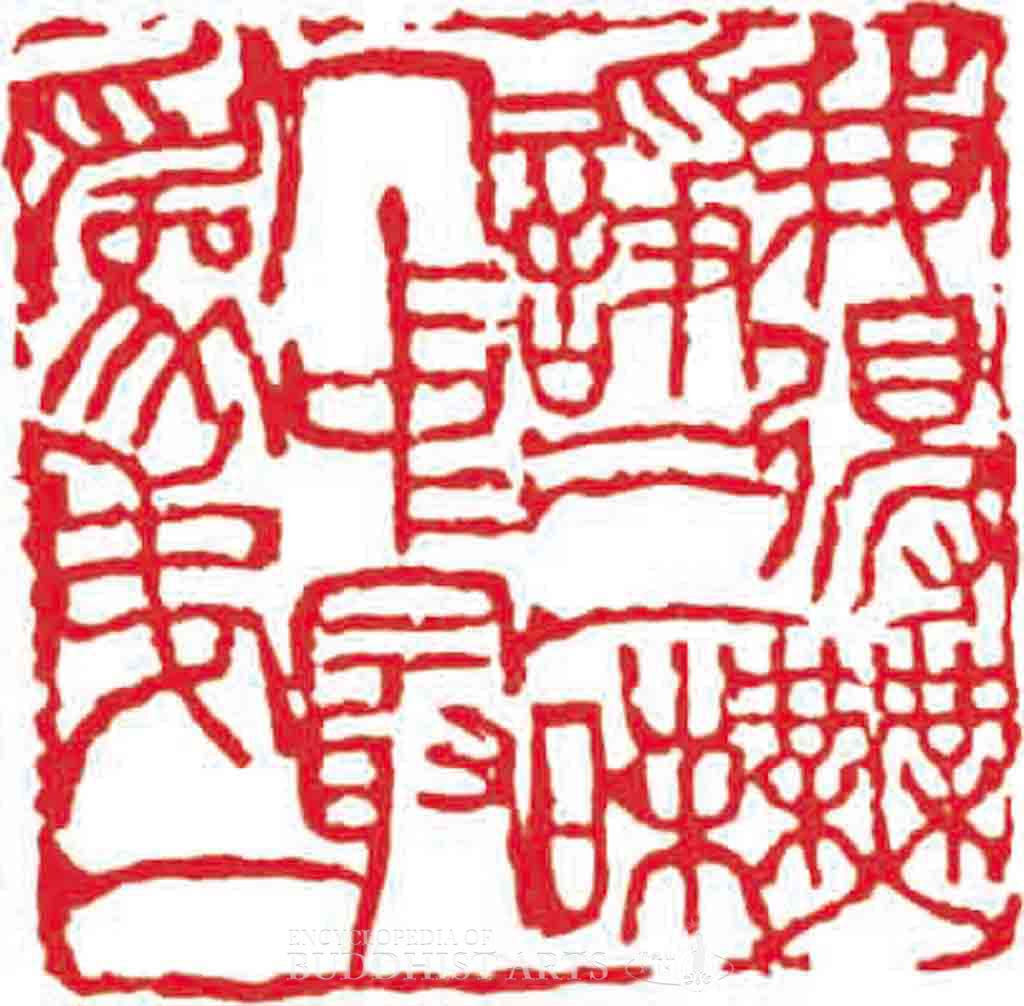
I Have Attained Non-Confronting Samadhi and Surpassed All Men
Red-character square seal
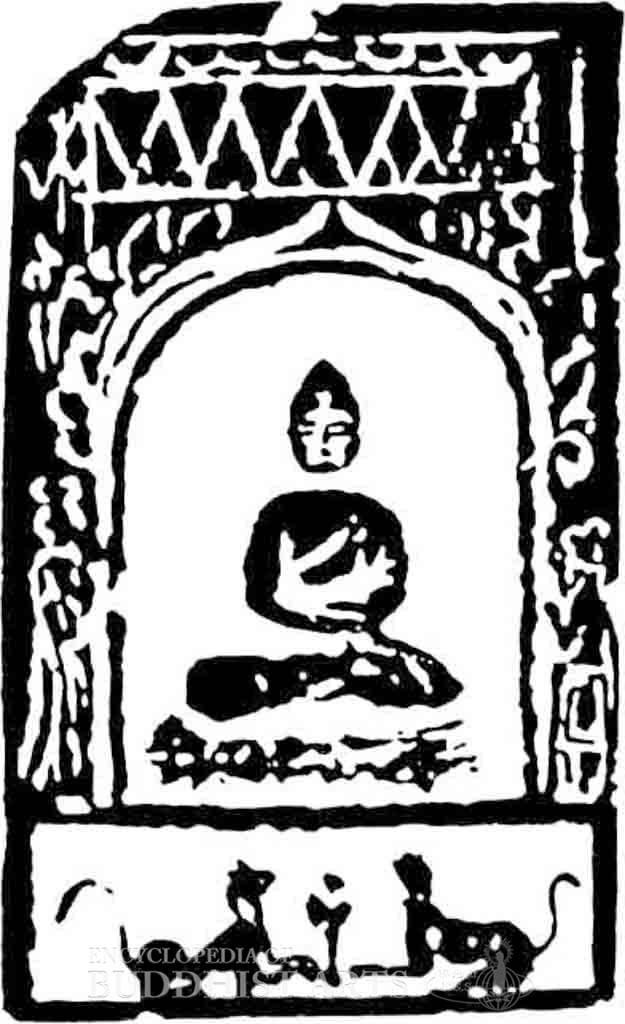
I Have Attained Non-Confronting Samadhi and Surpassed All Men (side colophon)
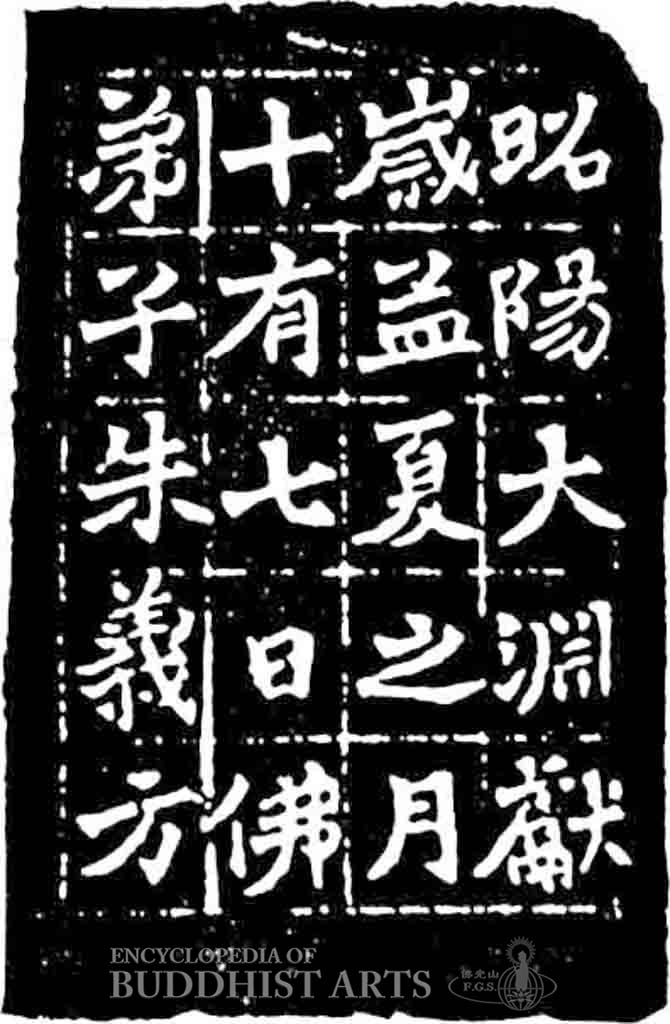
I Have Attained Non-Confronting Samadhi and Surpassed All Men (side colophon)
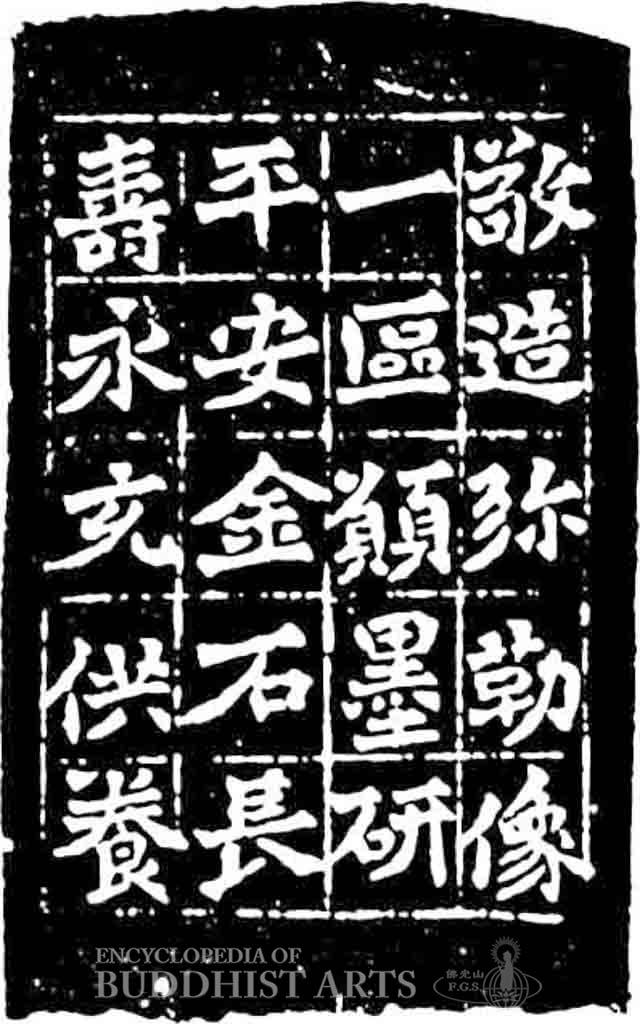
I Have Attained Non-Confronting Samadhi and Surpassed All Men (side colophon)
I Have Attained Non-Confronting Samadhi and Surpassed All Men
CHINA
Subhuti is quoted in the Diamond Sutra as having said, “I have attained non-confronting samadhi and surpassed all men.” The quote is engraved into the top surface of this seal, along with a colophon on one side denoting the date of carving and identifying the artist as Zhu Fukan. An image on the other side of the seal depicts a seated Sakyamuni Buddha enshrined within a niche, below which are two lions.
Comprised of 12 characters, the seal is carved with a focus on strategic arrangement. Special attention was given to the spacing, shape, density, interaction, and overall layout of the characters within their relatively small confine. The employed carving method, pursuing the simplicity of ancient seals, is bold with exposed incisions and various broken lines. Each character slants naturally, and connections between the upper and lower strokes are executed with uninhibited confidence.
Zhu Fukan was an artist born into a literary family, which provided him with a solid foundation in Chinese literature. Skilled in calligraphy, he was proficient in all four styles of writing, particularly ancient Zhou scripts. Zhu also excelled in seal engraving, and pursued the styles of the Zhou (circa 1046–256 BCE), Qin (221–207 BCE), and Han (206 BCE–220 CE) dynasties. His own style of seal art was daring yet even and stable, with a sense of natural solemnity and richness.
For more details, go to the Encyclopedia of Buddhist Arts: Calligraphy, page 306.
Cite this article:
author = Hsingyun and Youheng and Youlu and Pokorski, Stefanie and Mankuang and Edson, Gary,
booktitle = {Encyclopedia of Buddhist Arts: Calligraphy },
pages = 306,
title = {{I Have Attained Non-Confronting Samadhi and Surpassed All Men}},
volume = 17,
year = {2016}}