
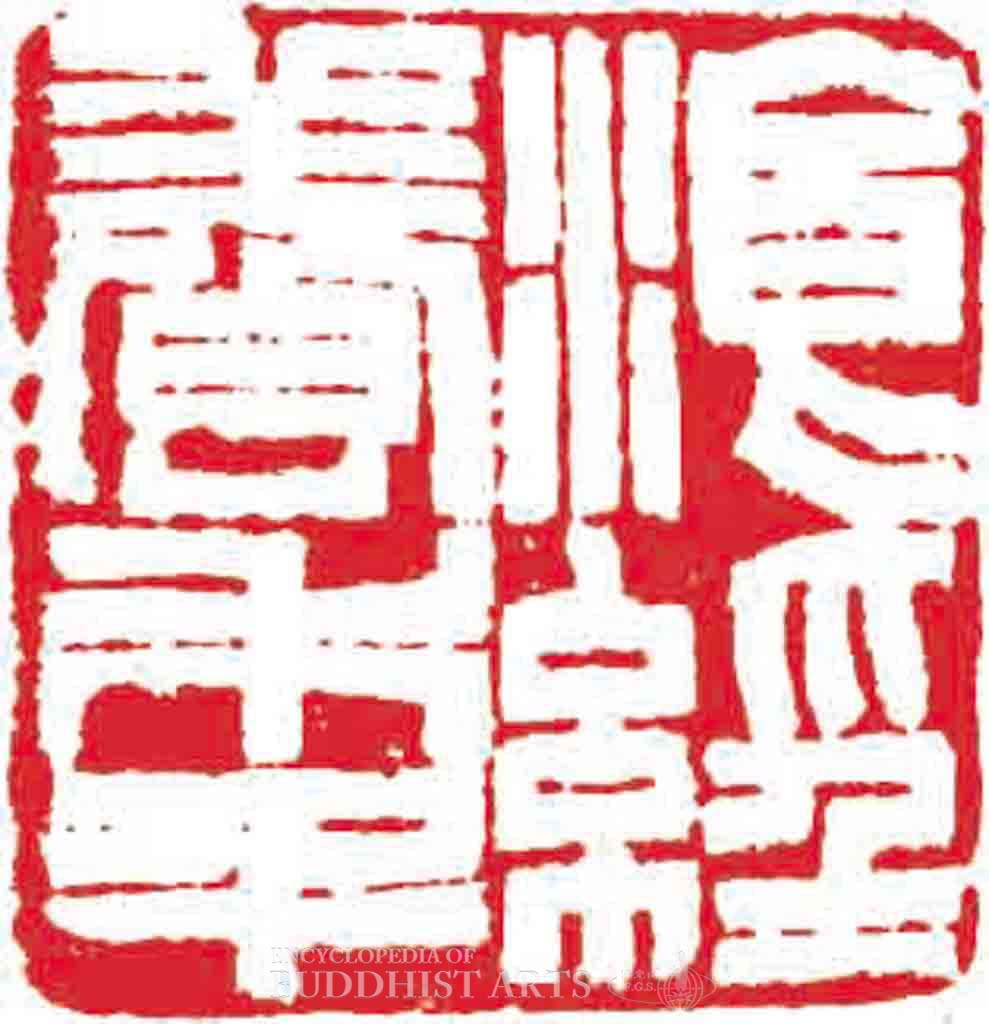
Reading Sutras as Nourishment
White-character square seal
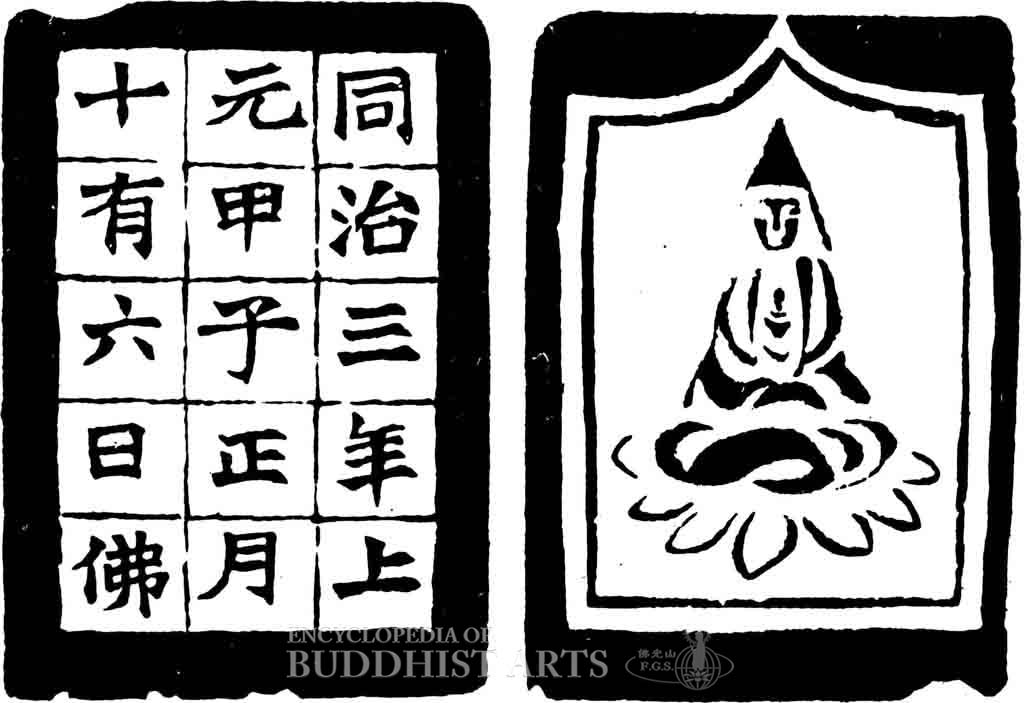
Reading Sutras as Nourishment (side colophons)
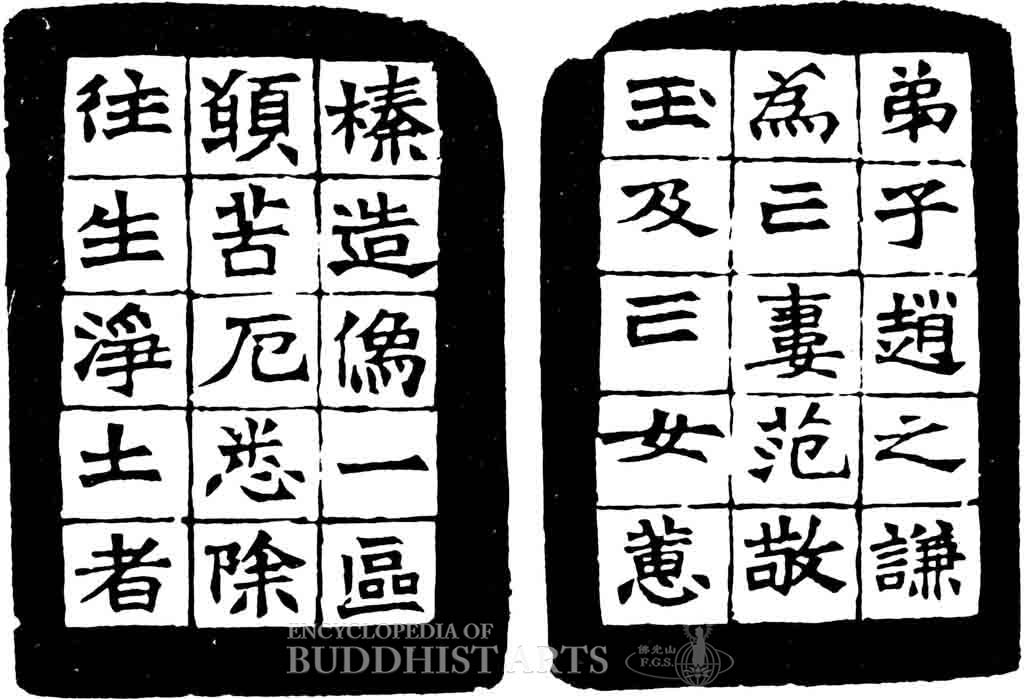
Reading Sutras as Nourishment (side colophons)
Reading Sutras as Nourishment
CHINA; Qing dynasty
From colophons on the side, it can be determined that the wife and daughter of the artist of this work passed away one after the other, two years prior to the seal’s creation. The side inscriptions employ Northern Wei dynasty (386–534) calligraphy and also feature an image of the Buddha. These features are considered important details in the study of the artist Zhao Zhiqian’s life. The seal script was based on the calligraphy of Deng Shiru, mingled with solid and thick characters. Expressing the charm of brush and ink, the calligraphic style of the seal rarely reveals cut marks, making it an incomparably refined and wondrous work. The seal as a whole appears rich and full of character.
Zhao Zhiqian was also known as Yifu or Huishu, among various other aliases. A master of calligraphy, painting, and seal engraving, he imparted a vast influence on future generations of artists, particularly in the field of seal engraving.
For more details, go to the Encyclopedia of Buddhist Arts: Calligraphy, page 319.
Cite this article:
author = Hsingyun and Youheng and Youlu and Pokorski, Stefanie and Mankuang and Edson, Gary,
booktitle = {Encyclopedia of Buddhist Arts: Calligraphy },
pages = 319,
title = {{Reading Sutras as Nourishment}},
volume = 17,
year = {2016}}