
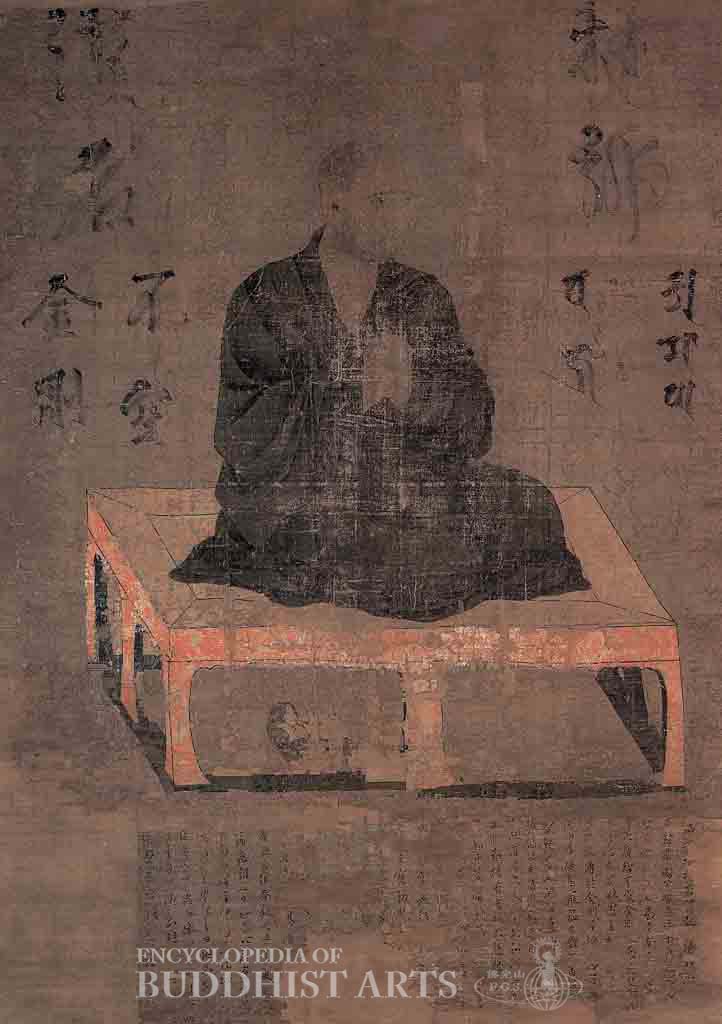
Seven Patriarchs of the Shingon School: Amoghavajra
Ink and color on silk
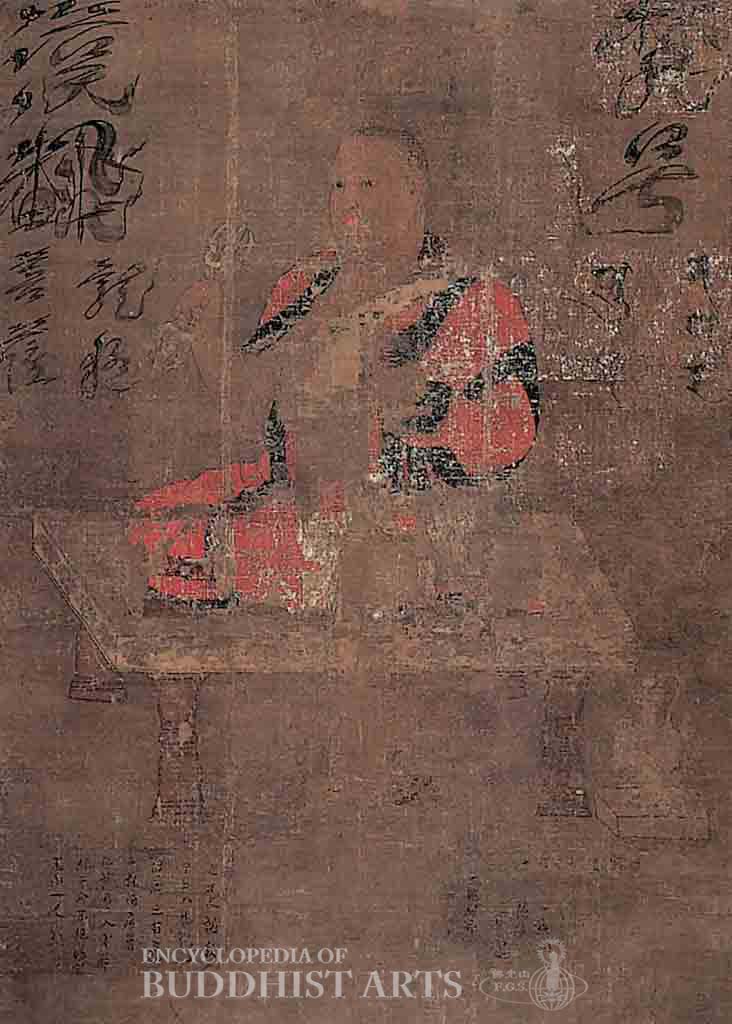
Seven Patriarchs of the Shingon School: Nagarjuna
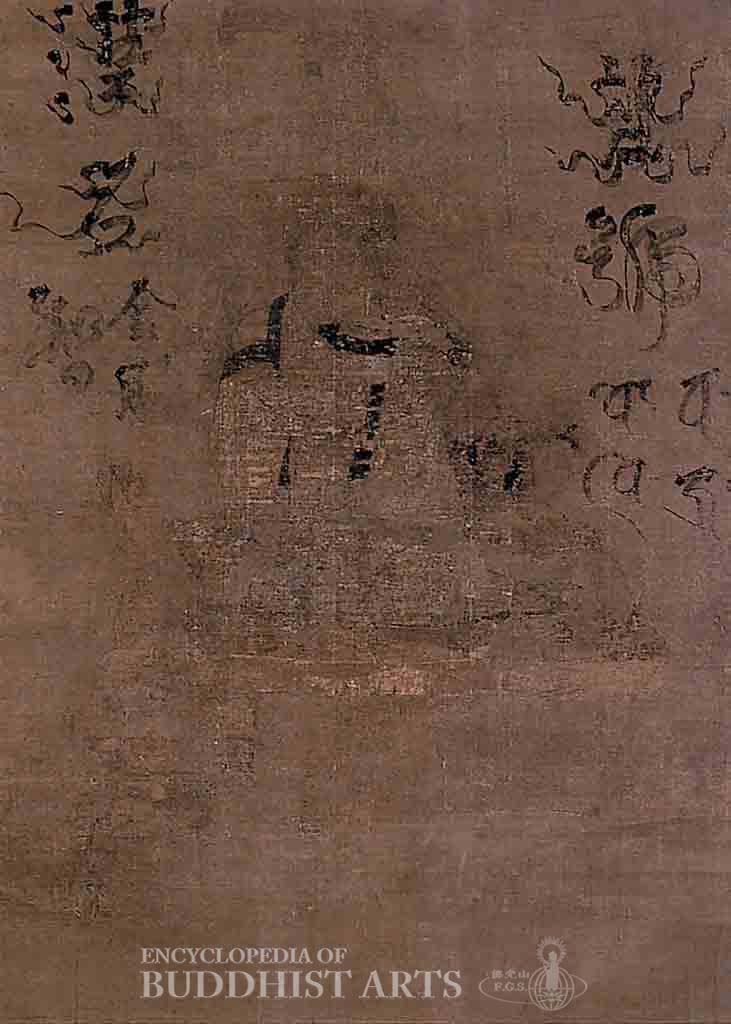
Seven Patriarchs of the Shingon School: Vajrabodhi
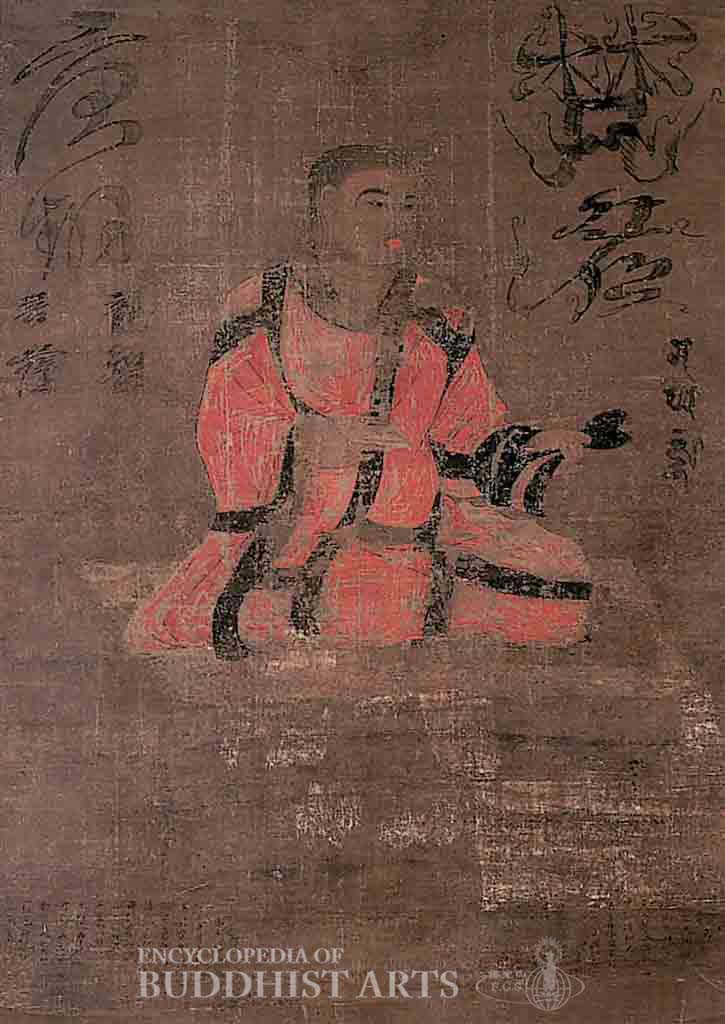
Seven Patriarchs of the Shingon School: Nagabodhi
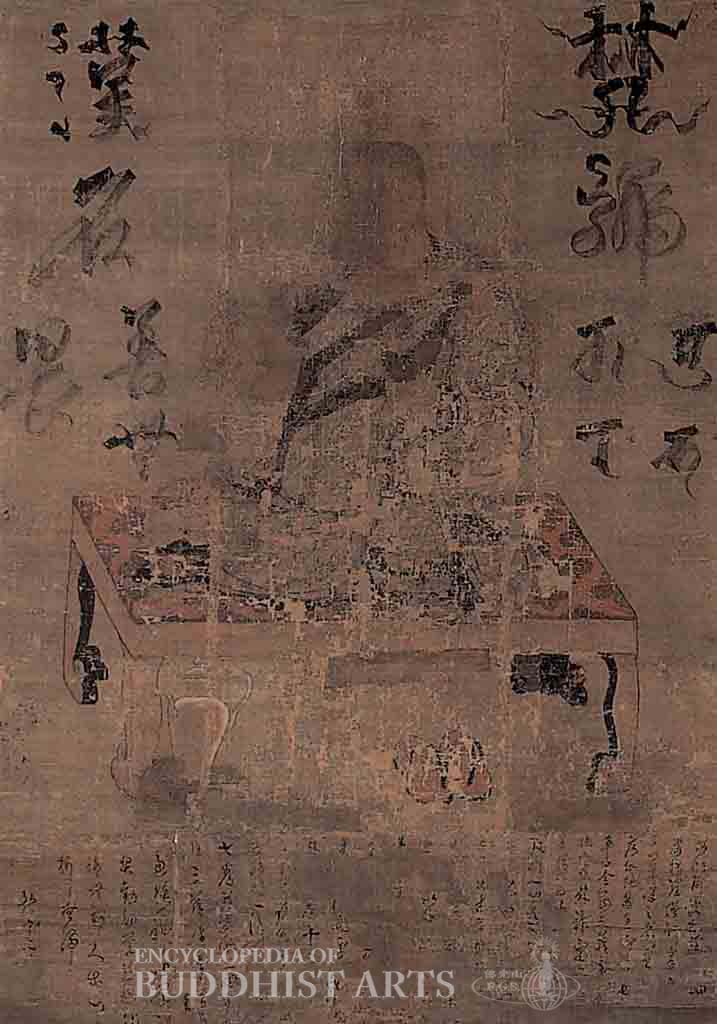
Seven Patriarchs of the Shingon School: Subhakarasimha
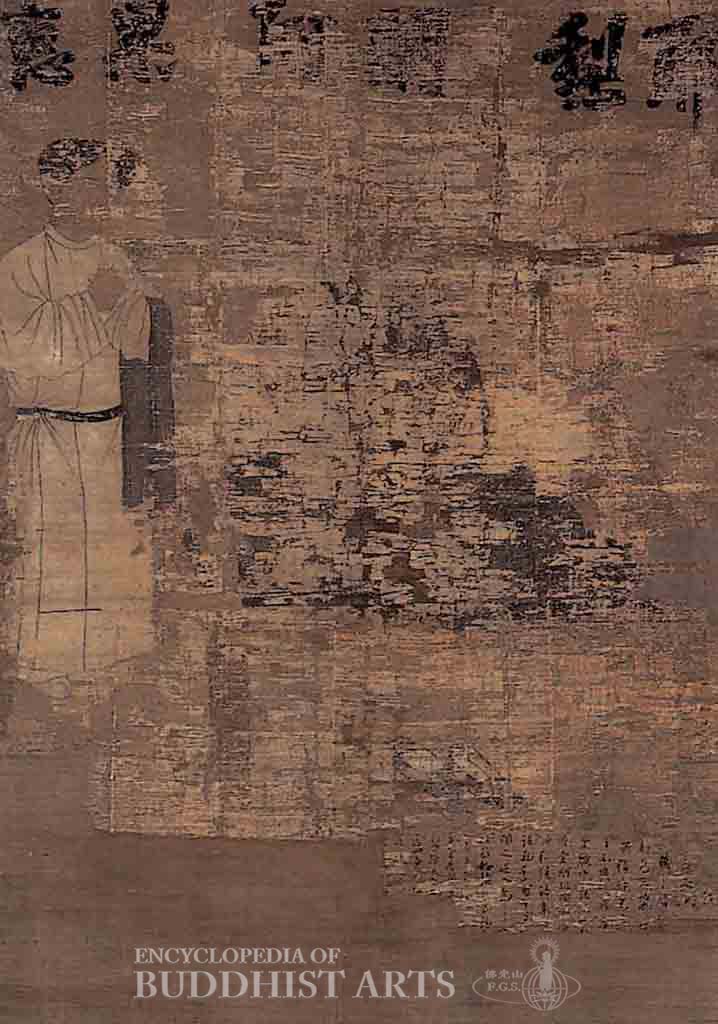
Seven Patriarchs of the Shingon School: Huiguo
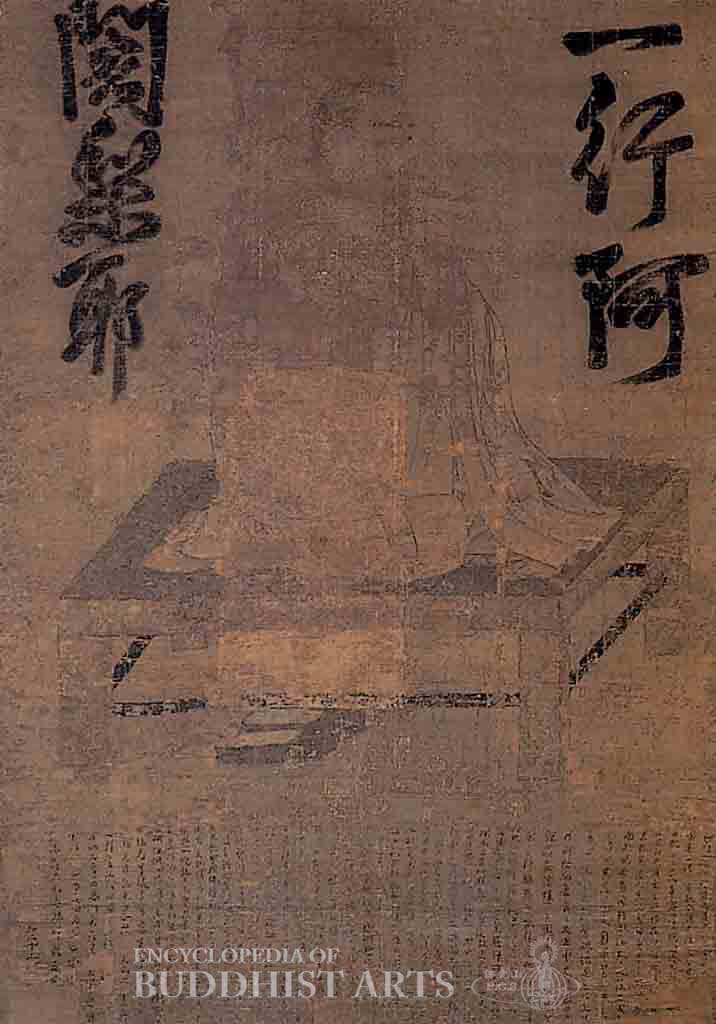
Seven Patriarchs of the Shingon School: Yixing
Seven Patriarchs of the Shingon School
CHINA; Tang dynasty
This set of seven paintings, dating from the 9th century, portrays the patriarchs of the Shingon school of Japanese Buddhism. The five portraits of Vajrabodhi, Subhakarasimha, Amoghavajra, Yixing, and Huiguo were done by Li Zhen, a Tang dynasty (618–907) court painter, and were given by Master Huiguo to his disciple Kukai before Kukai returned to Japan from China in 806. They were presented to the Japanese court and recorded in the Catalog of Items Imported by Master Kukai. In 821, portraits of Nagarjuna and Nagabodhi were drawn in Japan to complete the series. Although the paintings have faded due to age, they are treasured as the oldest portraits of the Shingon patriarchs. The set was listed as a National Treasure in 1953.
Three pieces of silk were joined to form the canvas for each painting. The figures were painted with fine lines and their robes were colored with a wash. All seven patriarchs are portrayed in a standard form where they sit on a platform partially turned to one side. In the portrait of Huiguo, a young attendant in a white robe stands on the left. Kukai wrote a short biography of each patriarch in kasuri script in the lower register of each painting. These short inscriptions are considered to be valuable works of calligraphy.
For more details, go to the Encyclopedia of Buddhist Arts: Painting P-Z, page 808.
Cite this article:
author = Hsingyun and Youheng and Youlu and Wilson, Graham and Manho and Mankuang and Huntington, Susan,
booktitle = {Encyclopedia of Buddhist Arts: Painting P-Z},
pages = 808,
title = {{Seven Patriarchs of the Shingon School}},
volume = 16,
year = {2016}}