
Guge Kingdom
Guge Kingdom
Guge Kingdom
Guge Kingdom
Guge Kingdom
Guge Kingdom
CHINA, Tibet, Ngari
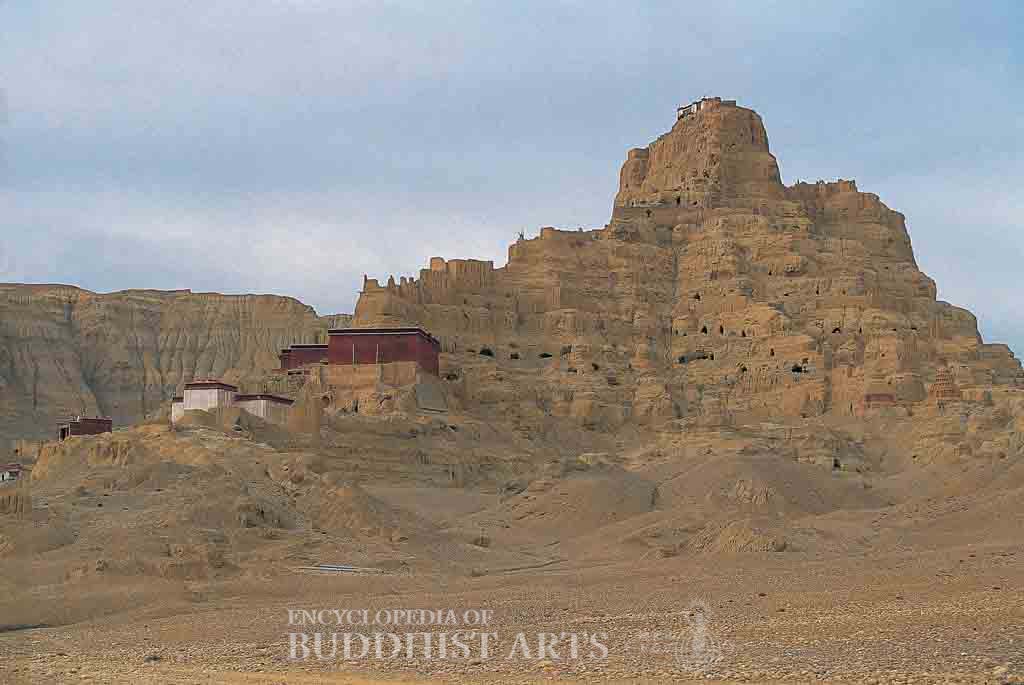
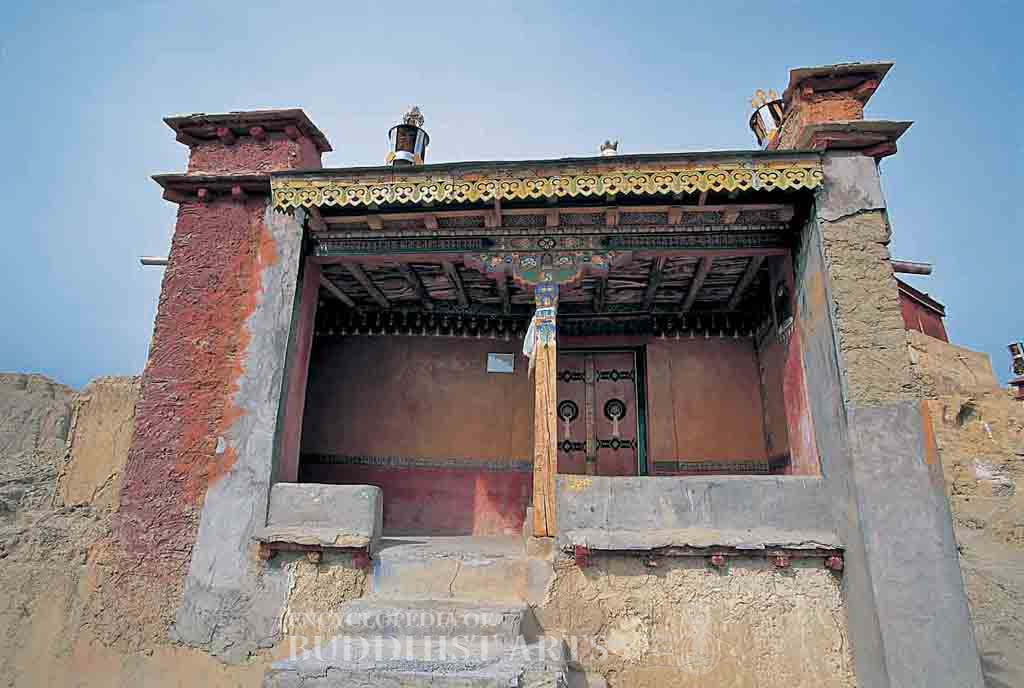
The Guge Kingdom site is located at Zanda in Ngari. Tsanpo Langdarma was the last ruler of the Tibetan Empire (circa 7th–9th century) and it is said that he persecuted Buddhists in Tibet. His great grandson, Gyide Nyimagun, fled west to Ngari and established the Guge Kingdom in the early 10th century. After the founding of the Guge Kingdom, Buddhism revived and it became an important Buddhist center in western Tibet. However, in 1630, due to internal conflict and invasion by the Ladakhis, the kingdom was sacked and left in ruins. Excavation and conservation of the site started in 1985. It was listed as a National Cultural Heritage Site in 1961.
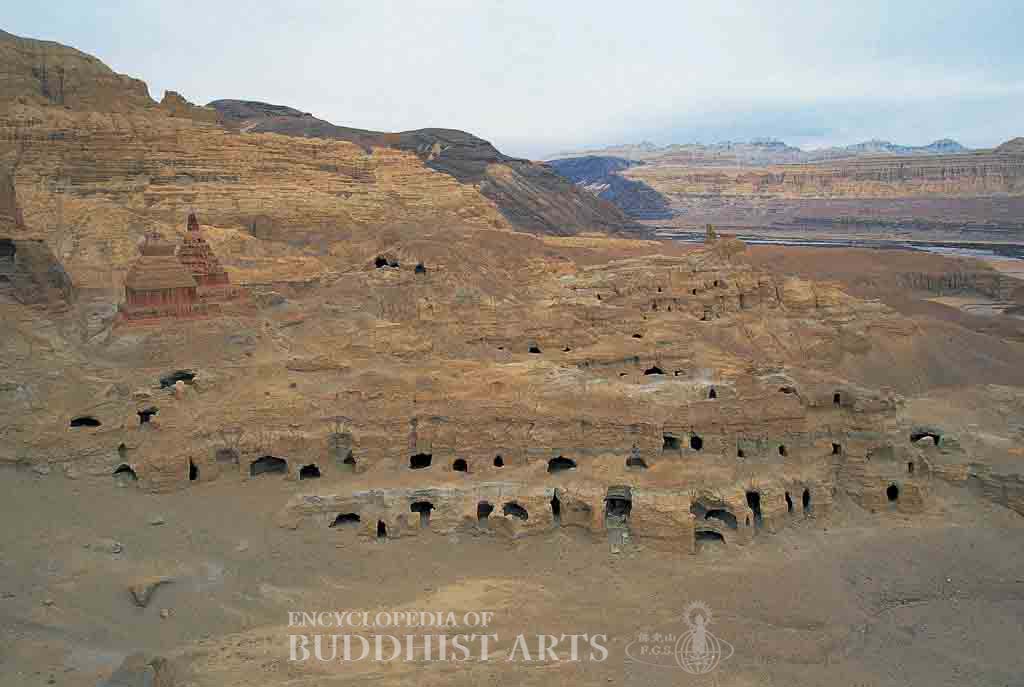
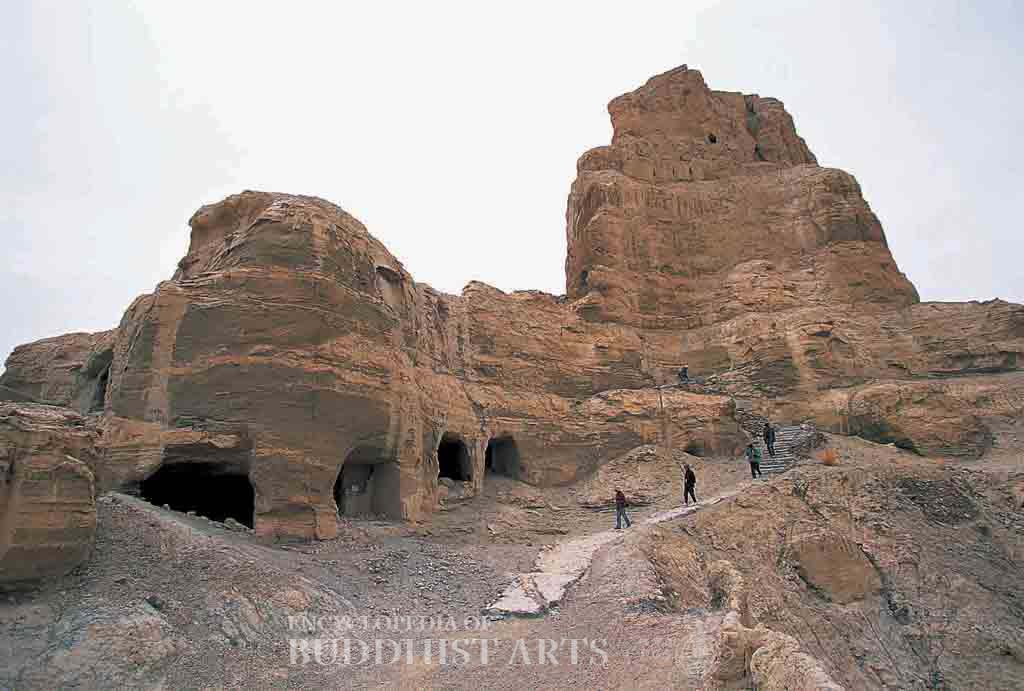
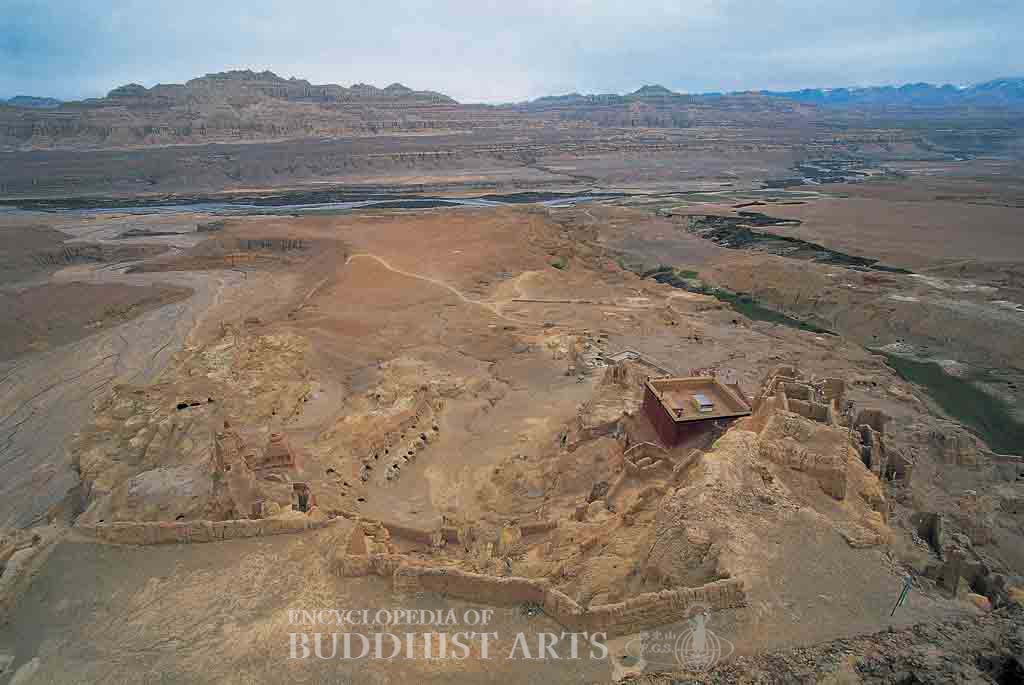
The site occupies 72 ha and are distributed over the peak and slopes of a mountain. Archaeologists have found the remains of 879 caves, 28 stupas, 445 houses, 58 blockhouses, and 4 tunnels that run below the buildings. The site is surrounded by city walls built along the cliffs with fortresses built into them. The better preserved buildings include the White Temple, Red Temple, Yamantaka Hall, Tara Hall, and Mandala Hall. The remaining buildings, such as the palaces, halls, monastic quarters, and residential houses, lie in ruins. Some caves have collapsed but most have been retained in their original form. Of the existing stupas, three are in good condition.
There are over 800 sq m of murals preserved intact in the five buildings and five caves. Based on the inscriptions of the eminent monk images, these murals date from the period after the middle of the 15th century. However, no murals from the early period of the Guge Kingdom have been discovered. The murals range widely in their subjects and themes, but their context is clearly a local one. The Buddhist art of Guge was influenced by neighboring regions, such as India and Kashmir, but later developed into its own distinctive Guge style.
For more details, go to the Encyclopedia of Buddhist Arts: Architecture G-L, page 410.
Cite this article:
author = Hsingyun and Youheng and Johnson, Peter and Mankuang and Lancaster, Lewis,
booktitle = {Encyclopedia of Buddhist Arts: Architecture G-L},
pages = 410,
title = {{Guge Kingdom}},
volume = 2,
year = {2016}}