

Shokokuji Temple: Ten Ox Herding Pictures - In Search of the Ox
Ink and color on paper
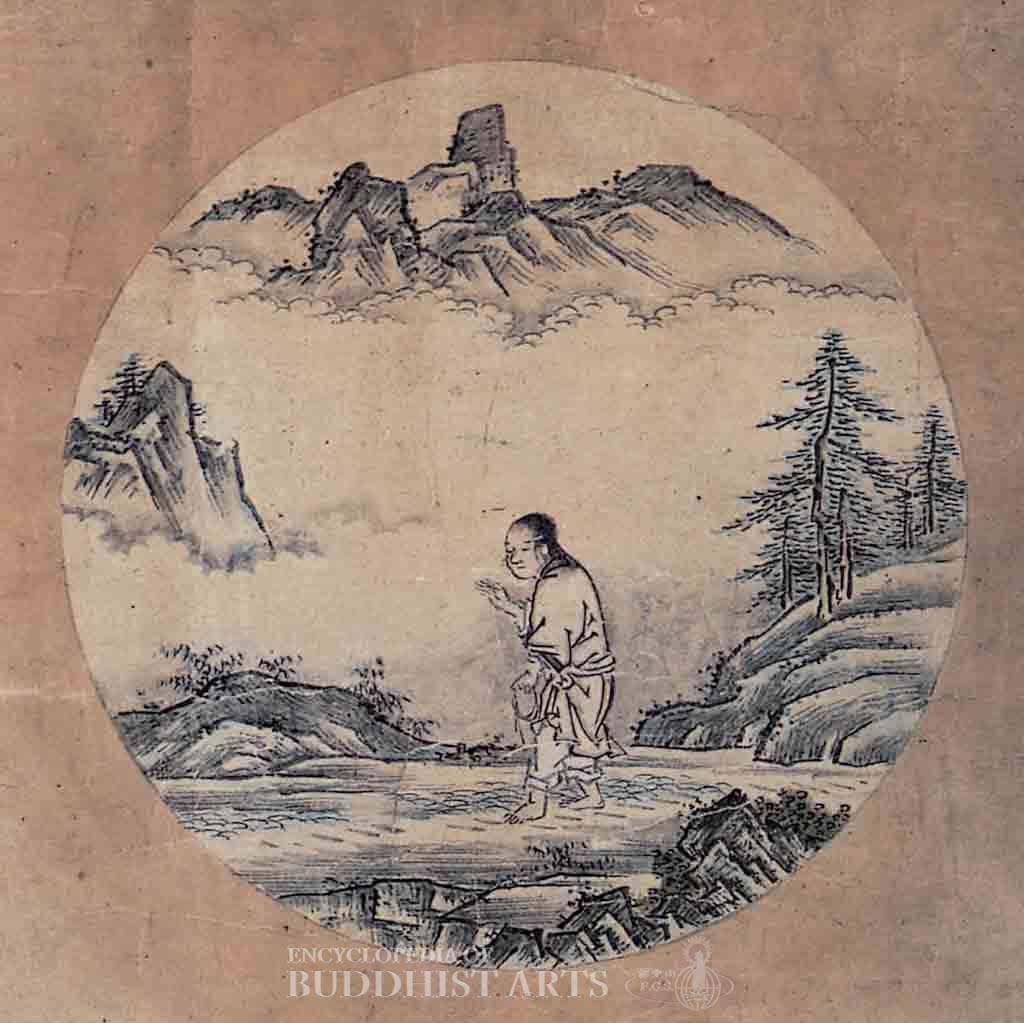
Shokokuji Temple: Ten Ox Herding Pictures - Discovery of the Footprints

Shokokuji Temple: Ten Ox Herding Pictures - Perceiving the Ox
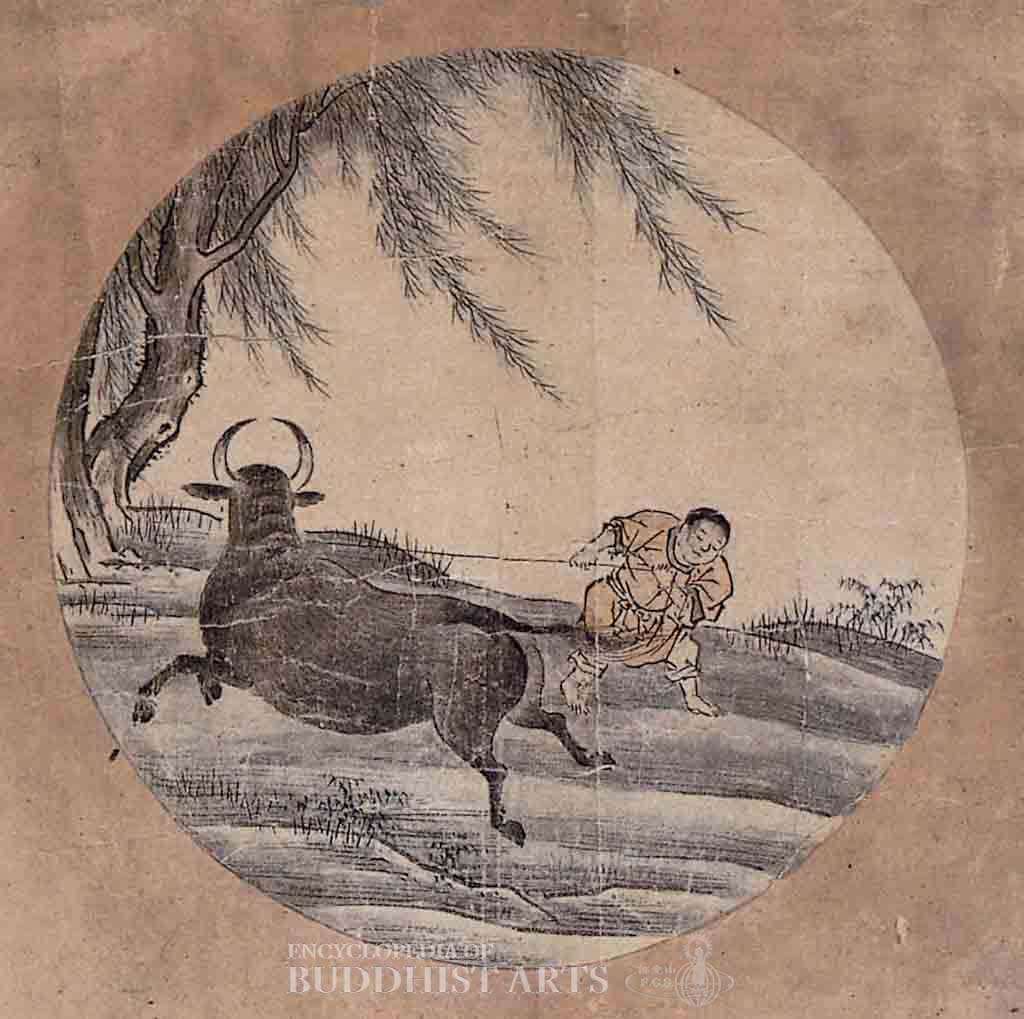
Shokokuji Temple: Ten Ox Herding Pictures - Catching the Ox

Shokokuji Temple: Ten Ox Herding Pictures - Taming the Ox
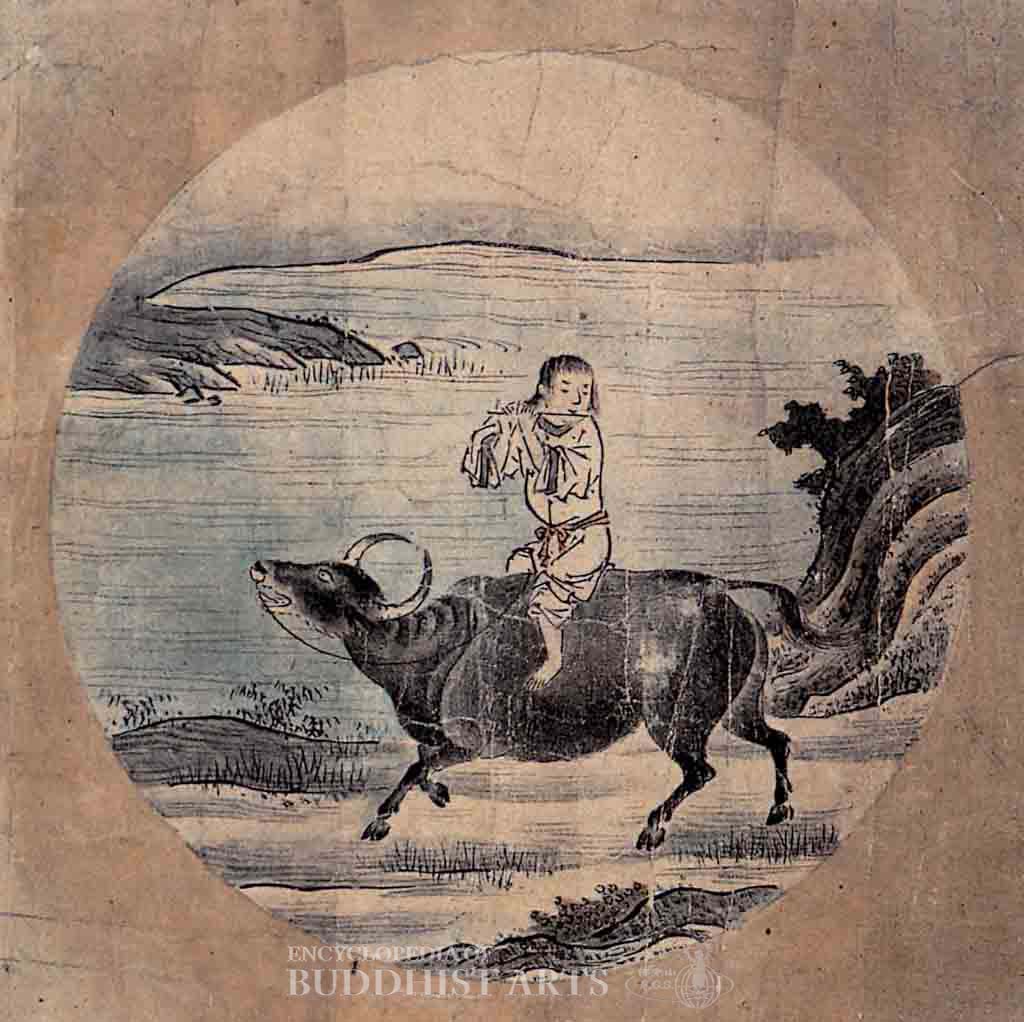
Shokokuji Temple: Ten Ox Herding Pictures - Riding the Ox Home
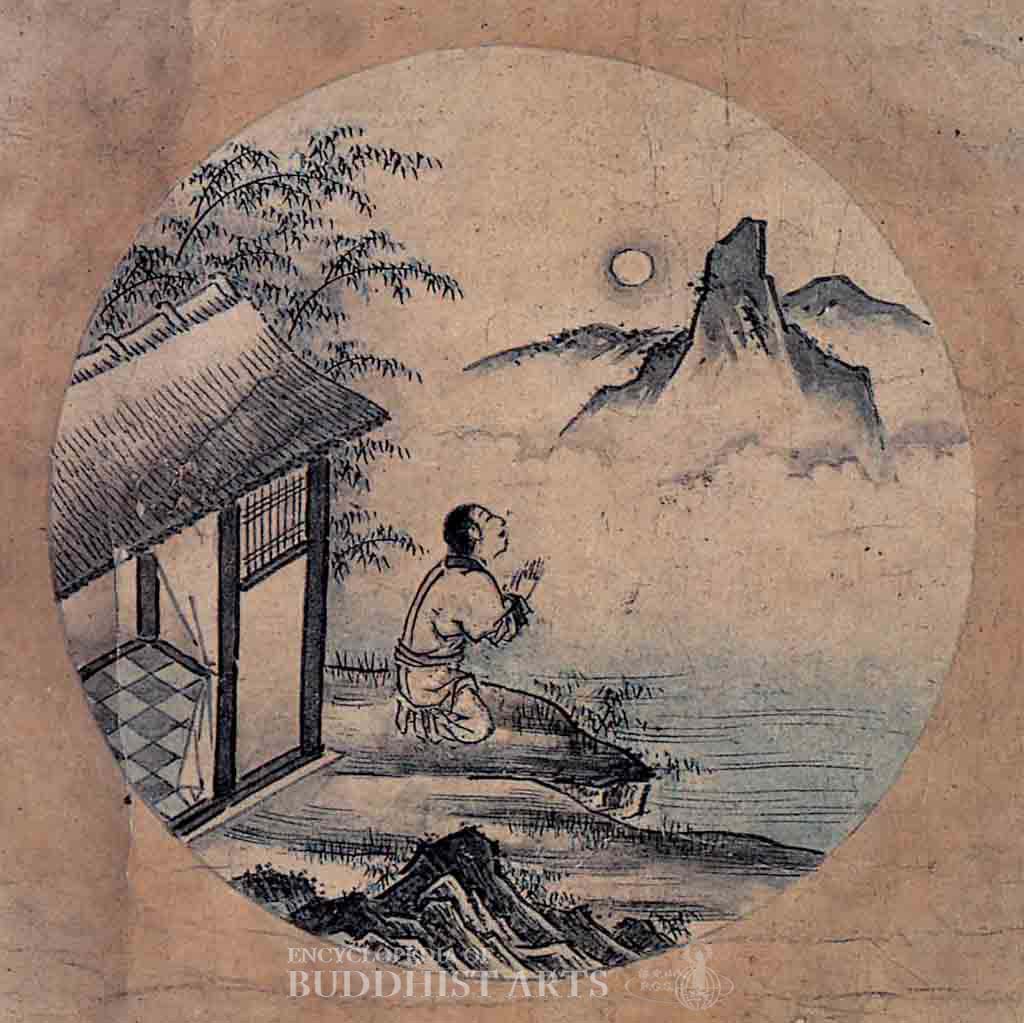
Shokokuji Temple: Ten Ox Herding Pictures - Ox Transcended
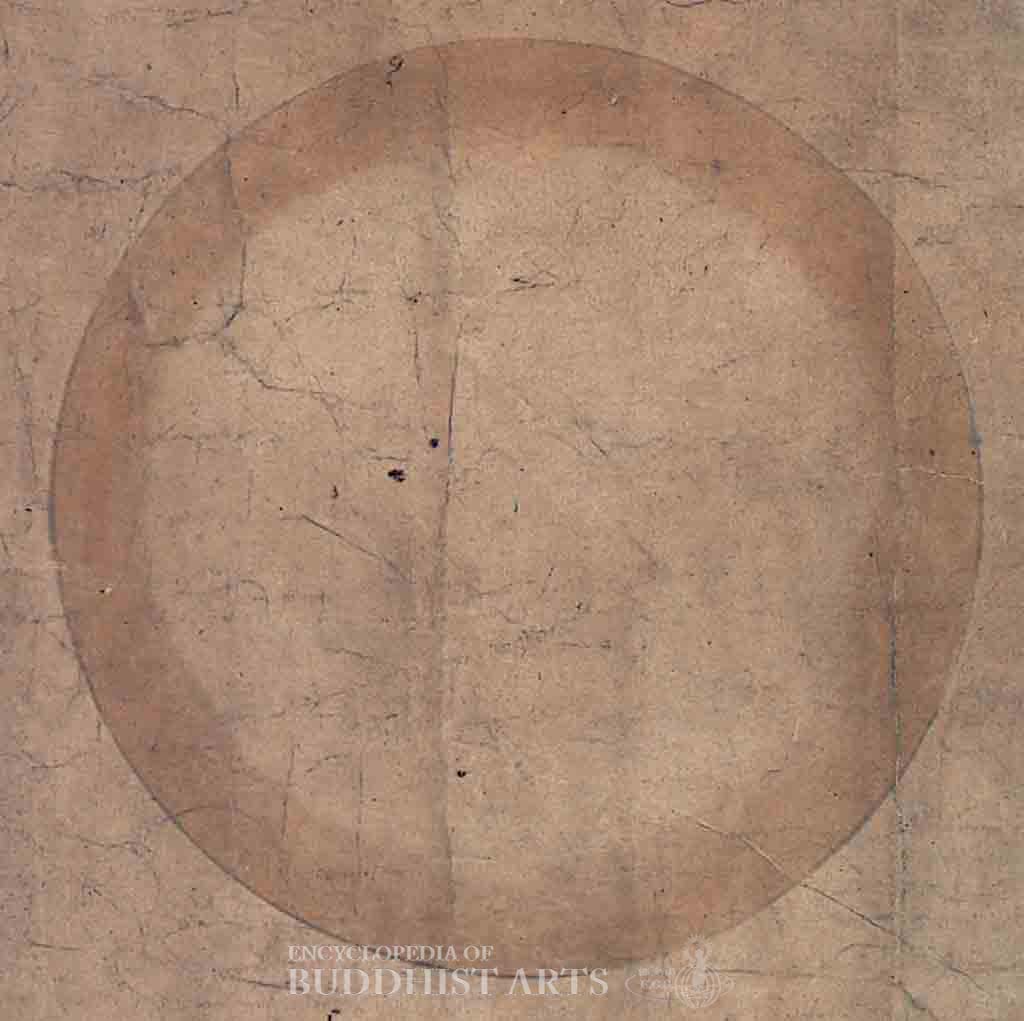
Shokokuji Temple: Ten Ox Herding Pictures - Both Ox and Self Transcended
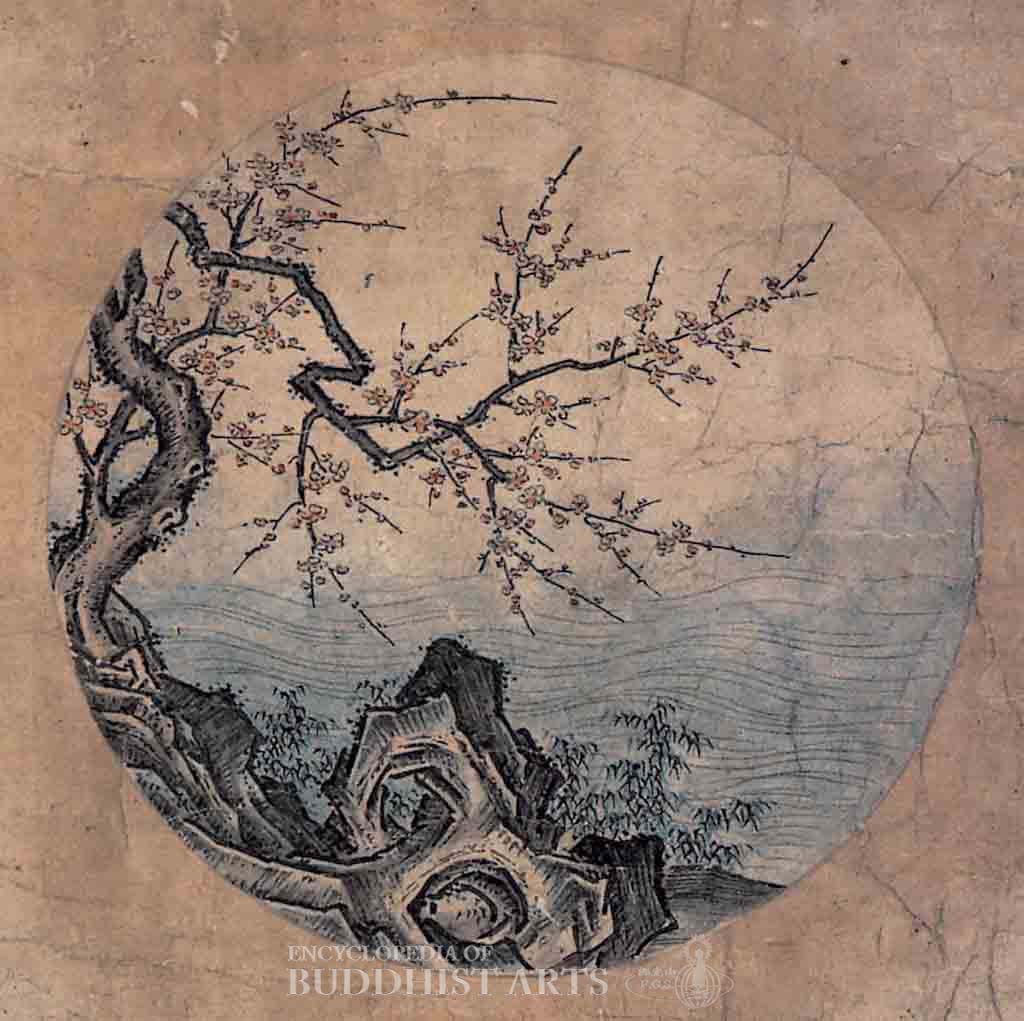
Shokokuji Temple: Ten Ox Herding Pictures - Reaching the Source
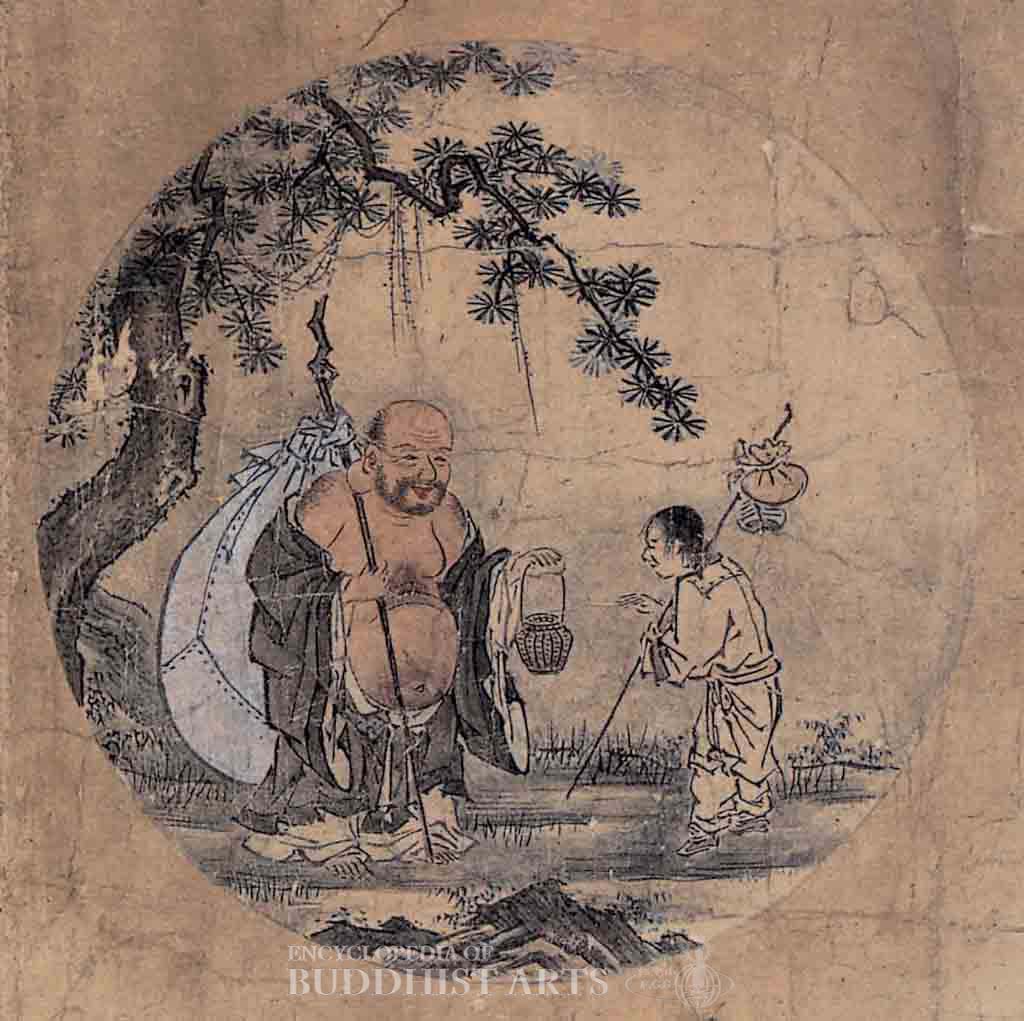
Shokokuji Temple: Ten Ox Herding Pictures - Return to Society
Shokokuji Temple: Ten Ox Herding Pictures
JAPAN, Kyoto; Muromachi period
These paintings are based on the Ten Ox Herding Pictures made by Kuo’an Shiyuan during the Chinese Song dynasty (960–1279). Attributed to the monastic painter Tensho Shubun, they are among the oldest of the numerous Japanese versions of the ox herding pictures. Ox herding is used as a metaphor for spiritual cultivation. The shepherd boy is akin to a practitioner, and the ox symbolizes the mind.
The circular pictures depict how the shepherd tames the ox in ten scenes. In Search of the Ox shows the shepherd turning his head and beginning to search for the nature of his mind. Discovery of the Footprints shows the discovery of the footprints left by the ox. Perceiving the Ox depicts the shepherd chasing after the partially visible ox. Catching the Ox portrays the shepherd struggling to subdue the ox with a rope. Taming the Ox illustrates the ox becoming gentle and obedient, allowing the shepherd to lead it by the nose. Riding the Ox Home depicts the shepherd joyfully blowing a flute as he rides on the ox’s back. In the Ox Transcended, the shepherd forgets the ox and watches the moon with joined palms. Both Ox and Self Transcended uses an empty circle to express the overcoming of the false duality of ignorance and enlightenment, when both the shepherd and the ox are forgotten. Reaching the Source symbolizes the direct experience of reality, perceiving all phenomena as they are, identical to the perception one possesses before one is enlightened. Return to Society depicts the shepherd’s encounter with an enlightened old man, symbolizing returning to the world to guide others. The old man has a round belly and carries a large cloth sack attached to the end of his staff. The painting style is delicate, vivid, and smooth. The landscape of hillside fields, cliffs, and trees reflects the traditional style of the early Muromachi period.
For more details, go to the Encyclopedia of Buddhist Arts: Painting P-Z, page 830.
Cite this article:
author = Hsingyun and Youheng and Youlu and Wilson, Graham and Manho and Mankuang and Huntington, Susan,
booktitle = {Encyclopedia of Buddhist Arts: Painting P-Z},
pages = 830,
title = {{Shokokuji Temple: Ten Ox Herding Pictures}},
volume = 16,
year = {2016}}