
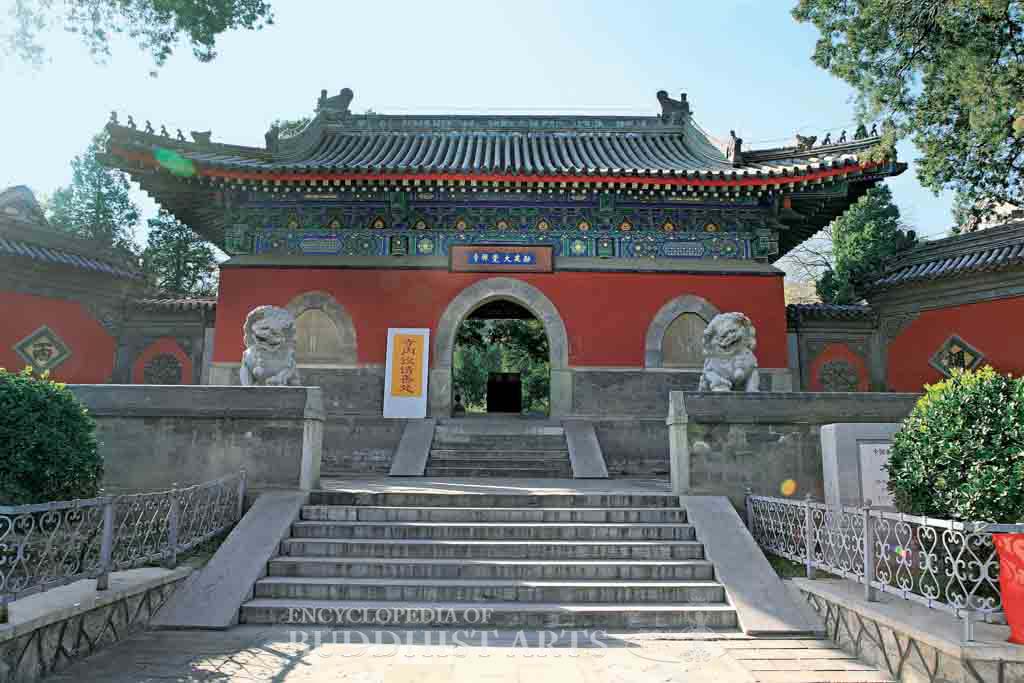
Dajue Temple: Main Temple Gate
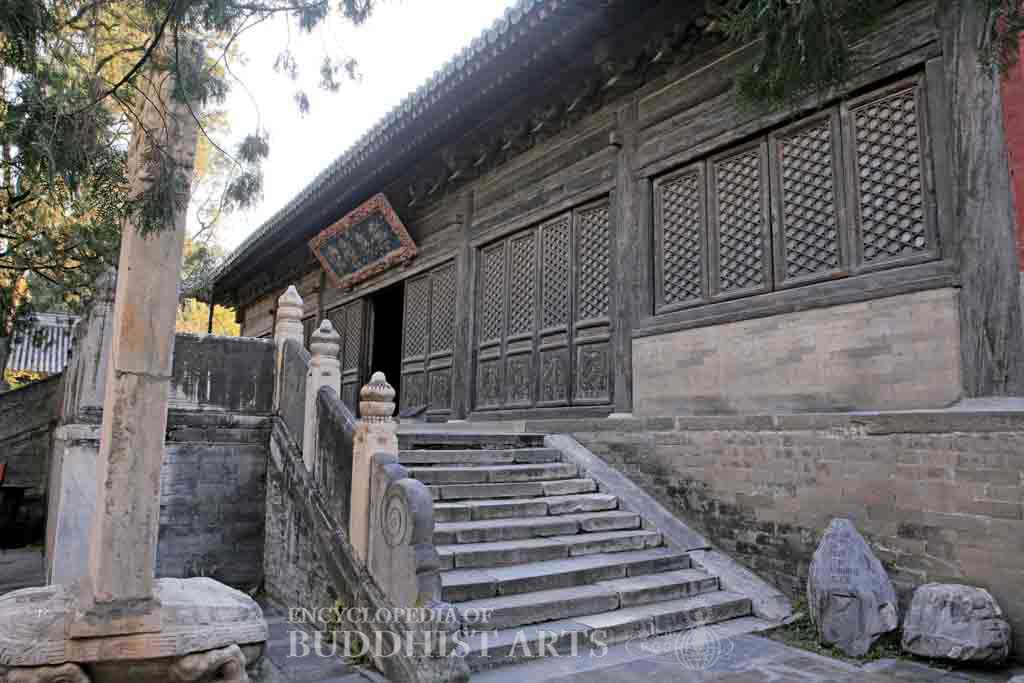
Dajue Temple: Great Hero Hall
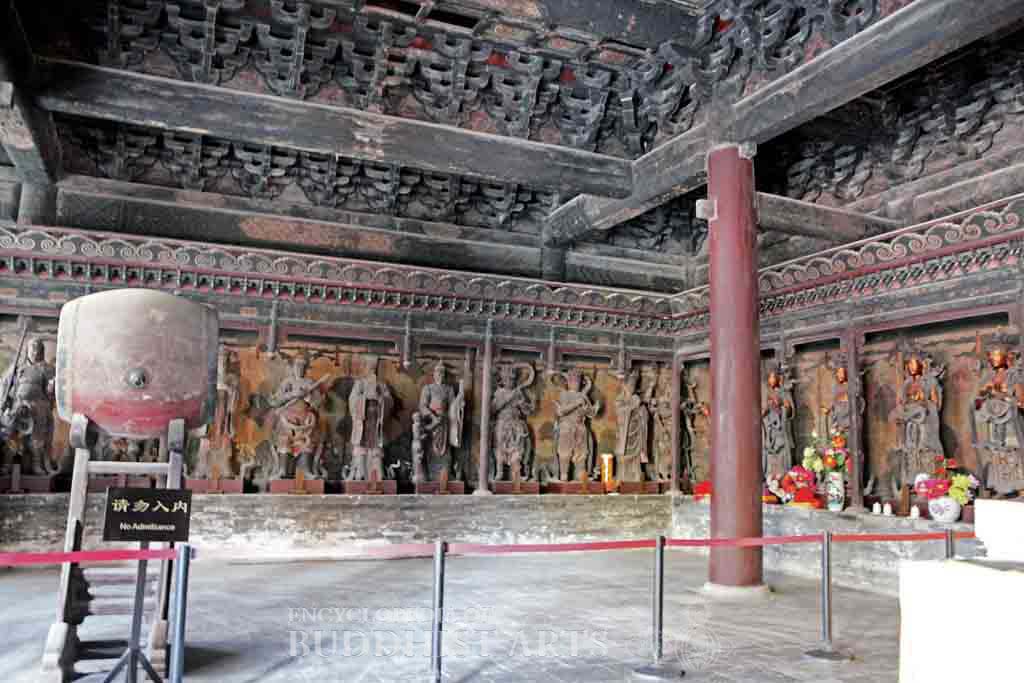
Dajue Temple: Great Hero Hall - Twenty Heavenly Beings
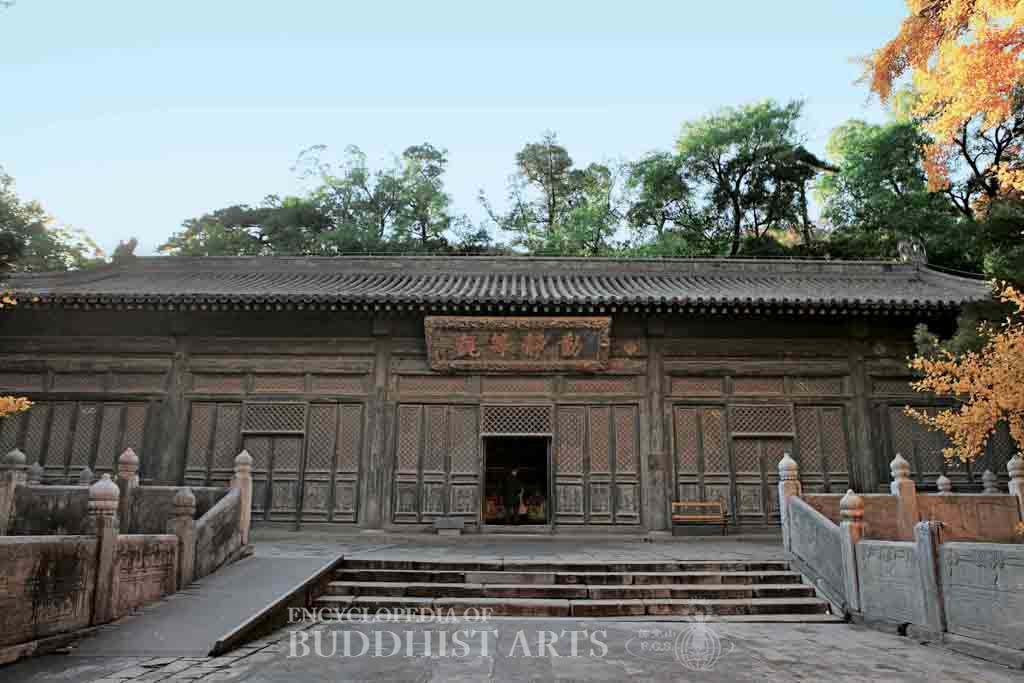
Dajue Temple: Amitabha Hall
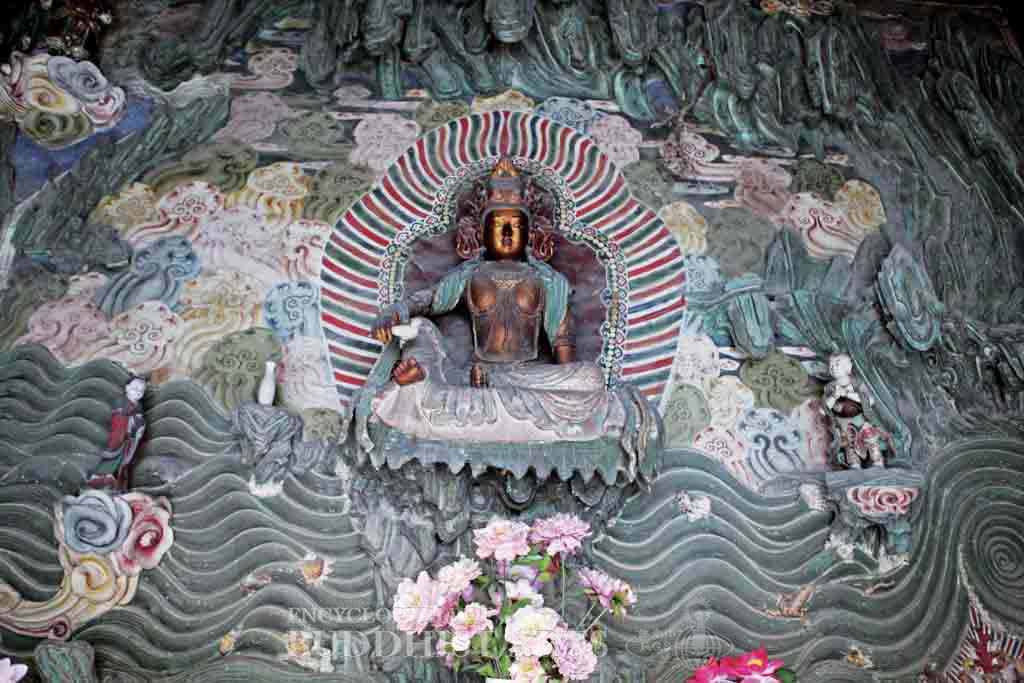
Dajue Temple: Amitabha Hall - Avalokitesvara on an Island
Dajue Temple
CHINA, Beijing
Dajue means Great Enlightenment. The temple was built during the Liao dynasty (907–1125), and it became an imperial temple by order of the emperor in 1428 during the Ming dynasty. The temple underwent two major renovations during 1446 and 1478; however, by the end of the Ming dynasty (1368–1644) it had gone into decline. It was repaired during the Qing dynasty (1644–1911). The temple was listed as a National Cultural Heritage Site in 2006.
Facing east and built on the slope of the mountain, there are three paths through the temple: the central, north, and south paths. The central path contains the principal buildings, such as the main temple gate, Heavenly King Hall, Great Hero Hall, Amitabha Hall, Great Compassion Platform, Dragon King Hall, and Jialing Relic Pagoda. On the south path there is the imperial lodge, while the north path leads to the old monastic quarters.
The main temple gate has a single-eave hip-and-gable roof covered in gray tiles. It has a single entrance with false windows on either side. The three-bay wide Heavenly King Hall has a hip-and-gable roof covered in gray rounded tiles. Both the doors and windows are ogee-arch shaped. The five-bay wide Great Hero Hall has a single-eave hip-and-gable roof also covered in gray rounded tiles. The platform in front of the building is surrounded by marble balustrades. In the center of the hall there is a stone Sumeru platform with gold lacquered wooden statues of the Buddhas of the Past, Present, and Future. Statues of the Twenty Heavenly Beings stand along the sides.
The Amitabha Hall has a single-eave flush gable roof covered with gray rounded tiles. A seated Amitabha Buddha is enshrined at the center of the hall with Avalokitesvara and Manjusri Bodhisattvas on either side, constituting the Amitabha Triad. Behind them there is a sculpture of Avalokitesvara on an Island, which is one of the best known sculptures in Beijing. The temple contains inscriptions and horizontal inscribed boards dating back to the Liao, Ming, and Qing dynasties.
For more details, go to the Encyclopedia of Buddhist Arts: Architecture A-F, page 201.
Cite this article:
author = Hsingyun and Youheng and Johnson, Peter and Mankuang and Lancaster, Lewis,
booktitle = {Encyclopedia of Buddhist Arts: Architecture A-F},
pages = 201,
title = {{Dajue Temple}},
volume = 1,
year = {2016}}