

Dayun Yuan Temple: Great Buddha Hall

Dayun Yuan Temple
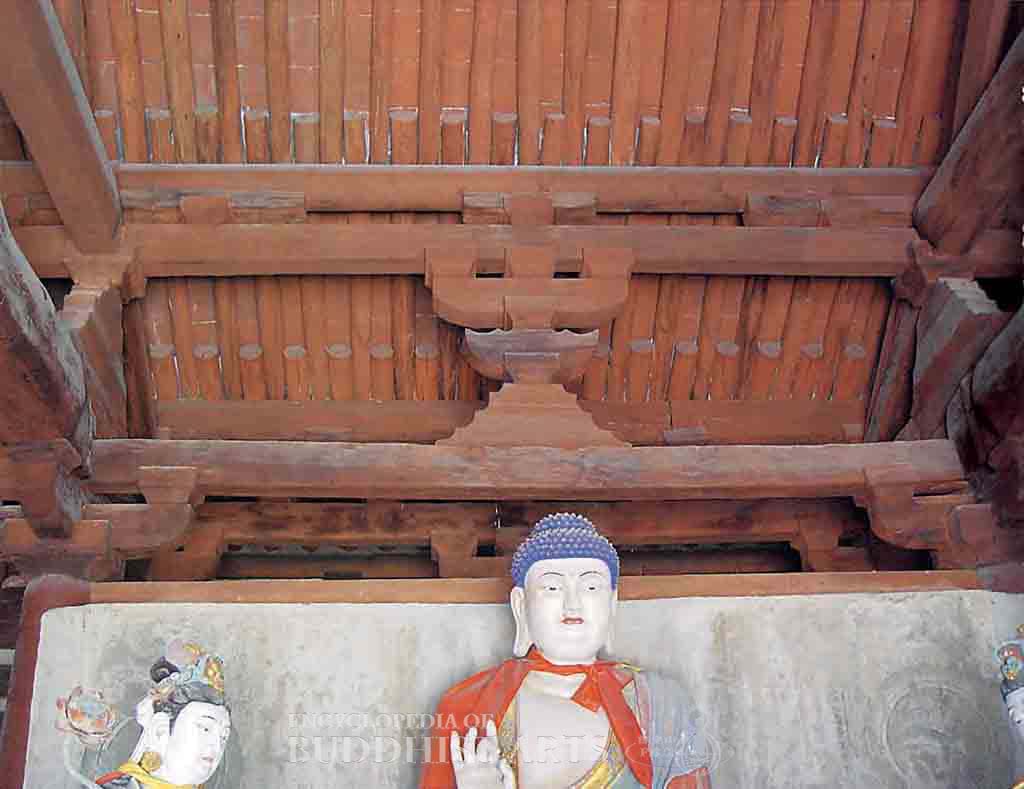
Dayun Yuan Temple: Great Buddha Hall (interior)
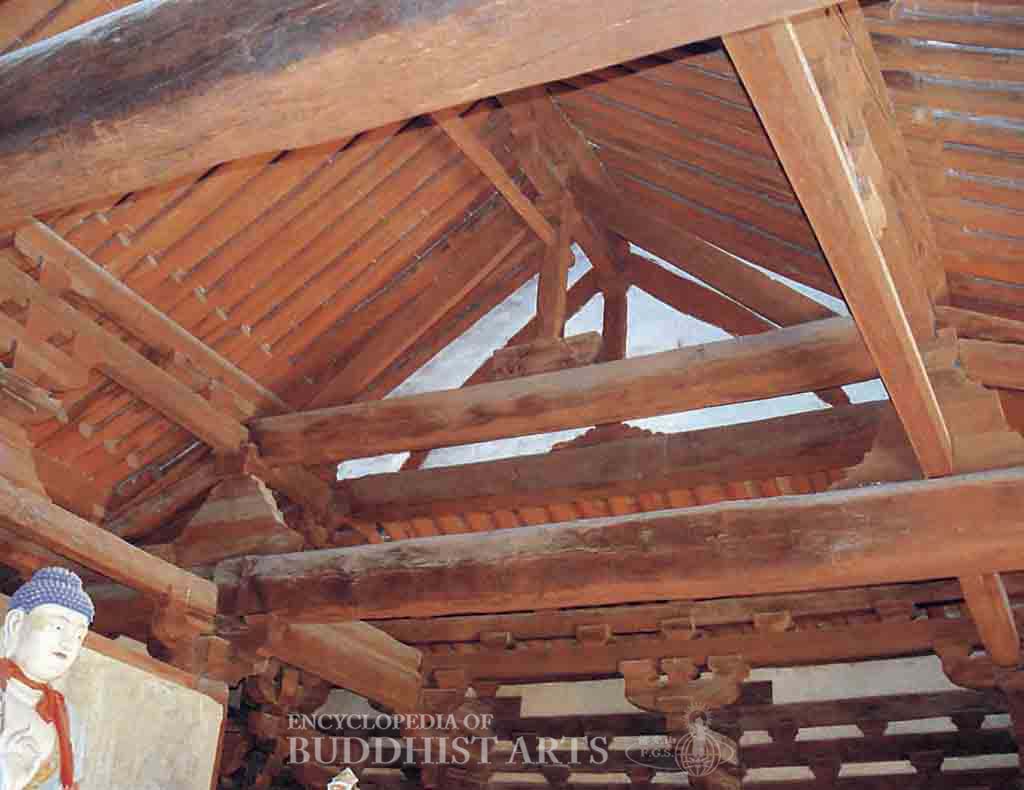
Dayun Yuan Temple: Great Buddha Hall (interior)
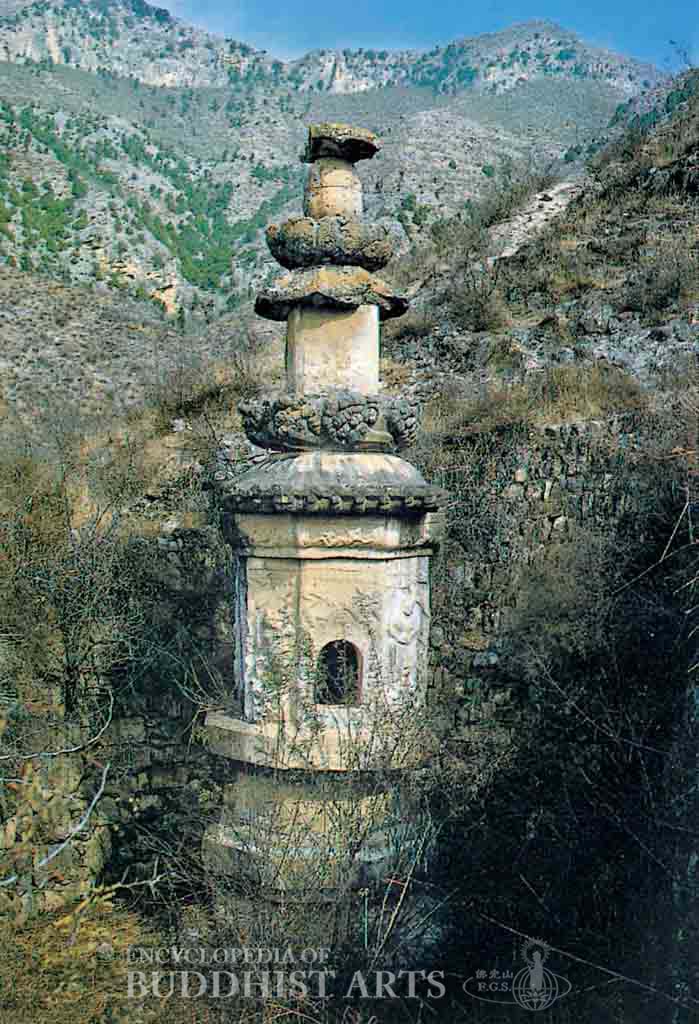
Dayun Yuan Temple: Seven Jeweled Pagoda
Dayun Yuan Temple
CHINA, Shanxi, Changzhi
The temple was originally named Xianyan (Immortal Rocks) Temple. It was built in 938 during the Later Jin dynasty. Numerous renovations and repairs were undertaken during the Ming (1368–1644) and Qing (1644–1911) dynasties. It was listed as a National Cultural Heritage Site in 1988.
Facing south and occupying 4,000 sq m, the temple consists of two courtyards. The surviving buildings include the main temple gate, which is also named the Heavenly King Hall, Great Buddha Hall, and the Hall of the Three Buddhas. Other structures include the subsidiary buildings in the front courtyard and the Seven Jeweled Pagoda to the northwest of the temple. Apart from the Great Buddha Hall and Seven Jeweled Pagoda, which were built in the Five Dynasties period (907–960), the rest of the buildings were built in the Qing dynasty.
Originally called Amitabha Hall, the three-by-three bay Great Buddha Hall was built in 940 during the Later Jin dynasty and is one of the three remaining wooden structures from that period. It has a single-eave hip-and-gable roof. The eaves are noticeably extended. The columns gradually increase towards the corners and are linked by architraves. There is an upper architrave, which is believed to be the earliest known example of this feature. A pair of the interior columns is located at the center of the rear area. These columns have no upper architraves, so they are believed to still follow the Tang dynasty (618–907) style. The support, shaped like a camel’s hump, is smaller than usual, while the small king post is also thinner. These elements are believed to have been in their early stages of development. Up to eight variations of the camel-hump support can be found on the beams, each different in their size and shape.
The two-tier Seven Jeweled Pagoda was built in 954 during the Later Zhou dynasty. Constructed from limestone, it is 6 m high. The first tier is decorated with carvings of lotuses, lions, qilin, and winged horses, while the second tier is embellished with apsaras. The base of the spire consists of an upturned lotus and the finial is in the form of a jewel.
For more details, go to the Encyclopedia of Buddhist Arts: Architecture A-F, page 221.
Cite this article:
author = Hsingyun and Youheng and Johnson, Peter and Mankuang and Lancaster, Lewis,
booktitle = {Encyclopedia of Buddhist Arts: Architecture A-F},
pages = 221,
title = {{Dayun Yuan Temple}},
volume = 1,
year = {2016}}