
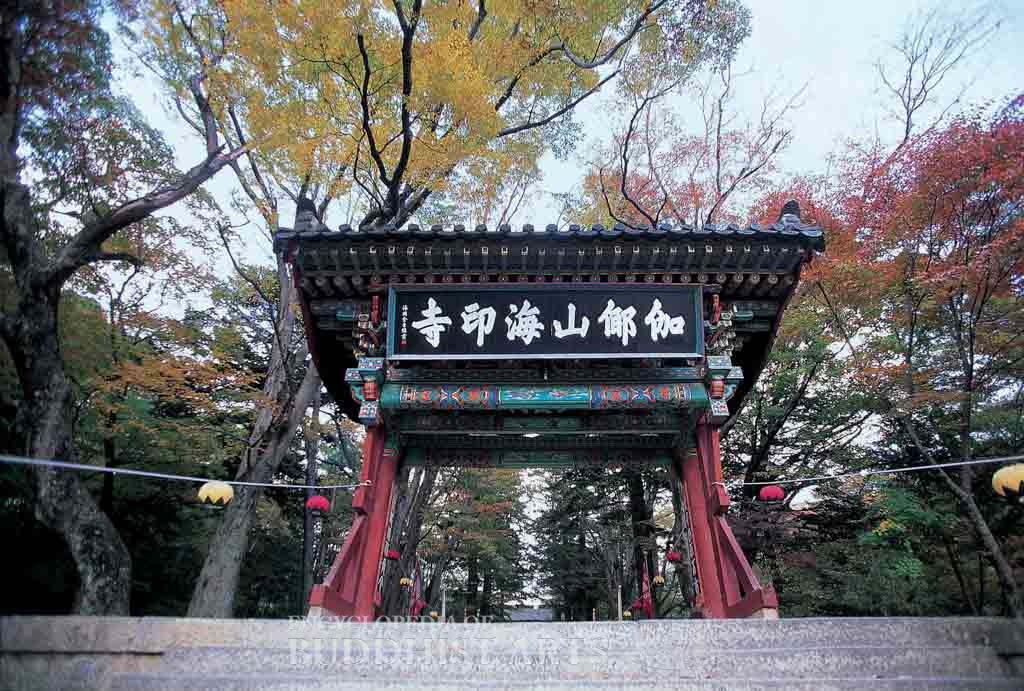
Haeinsa Temple: One Pillar Gate
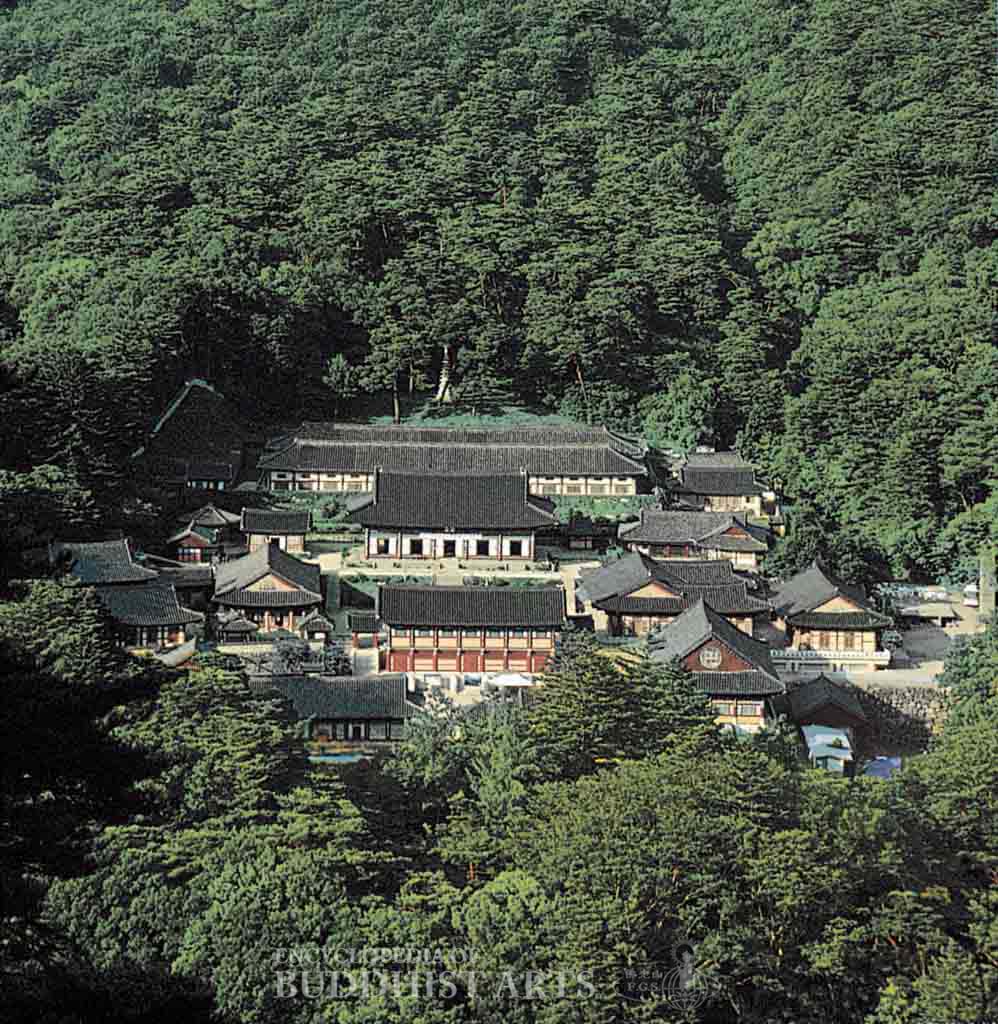
Haeinsa Temple
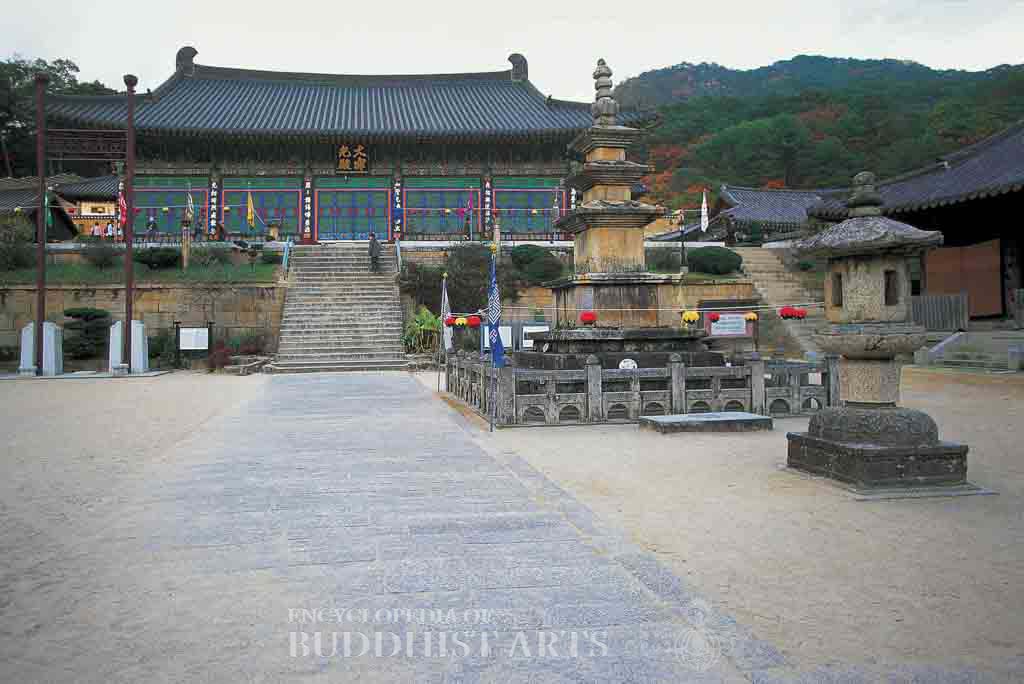
Haeinsa Temple: Hall of Great Silence and Light
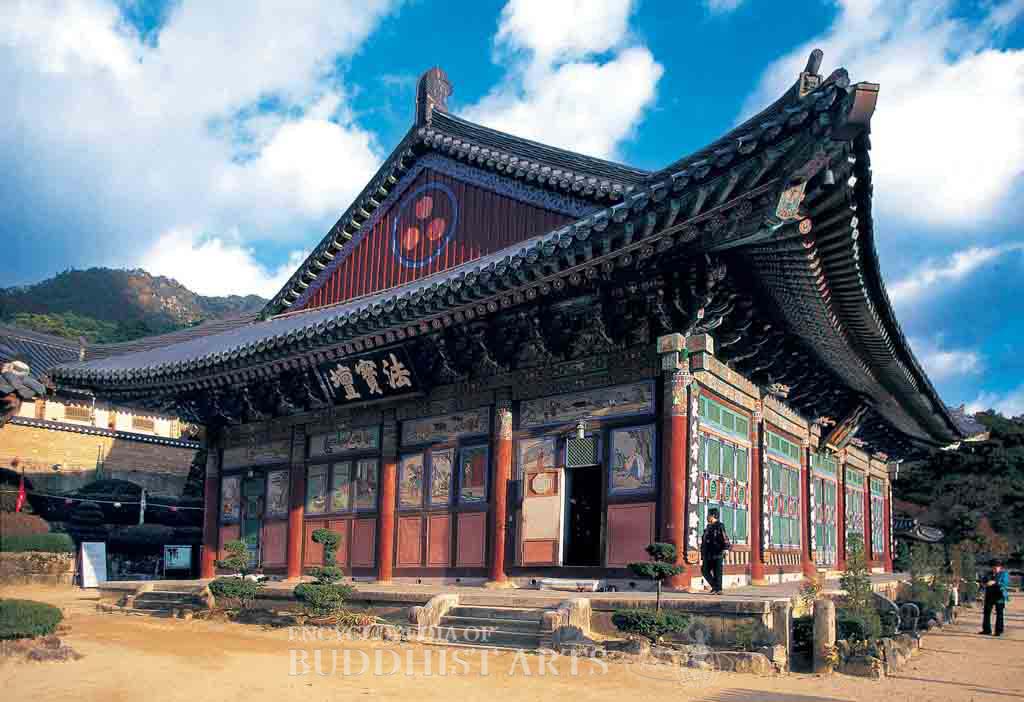
Haeinsa Temple: Hall of Great Silence and Light
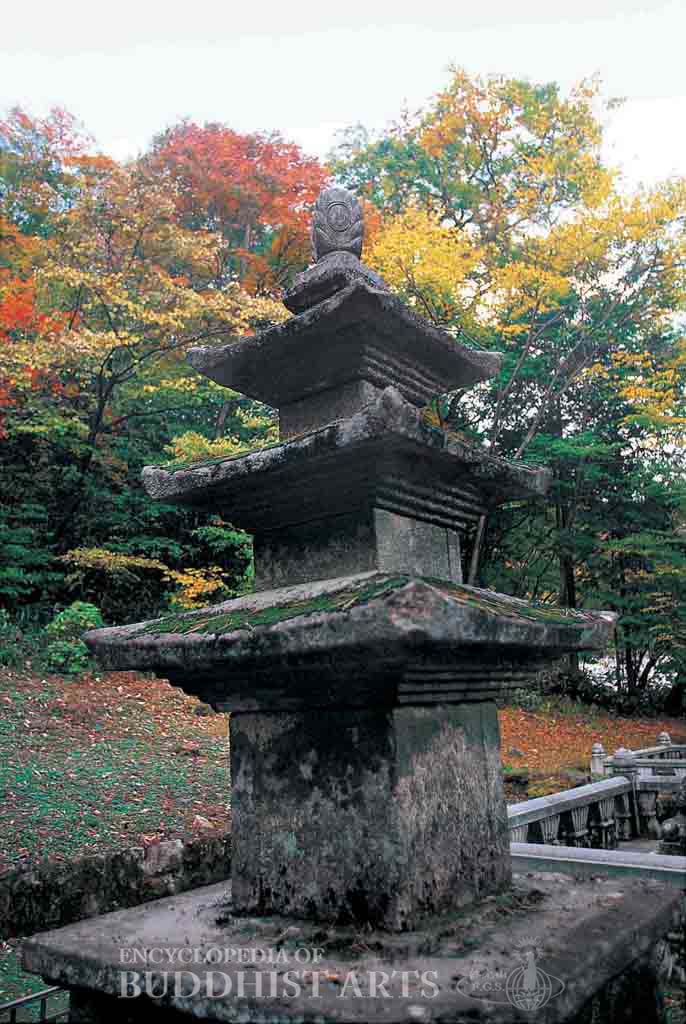
Haeinsa Temple: Three-Tier Stone Pagoda
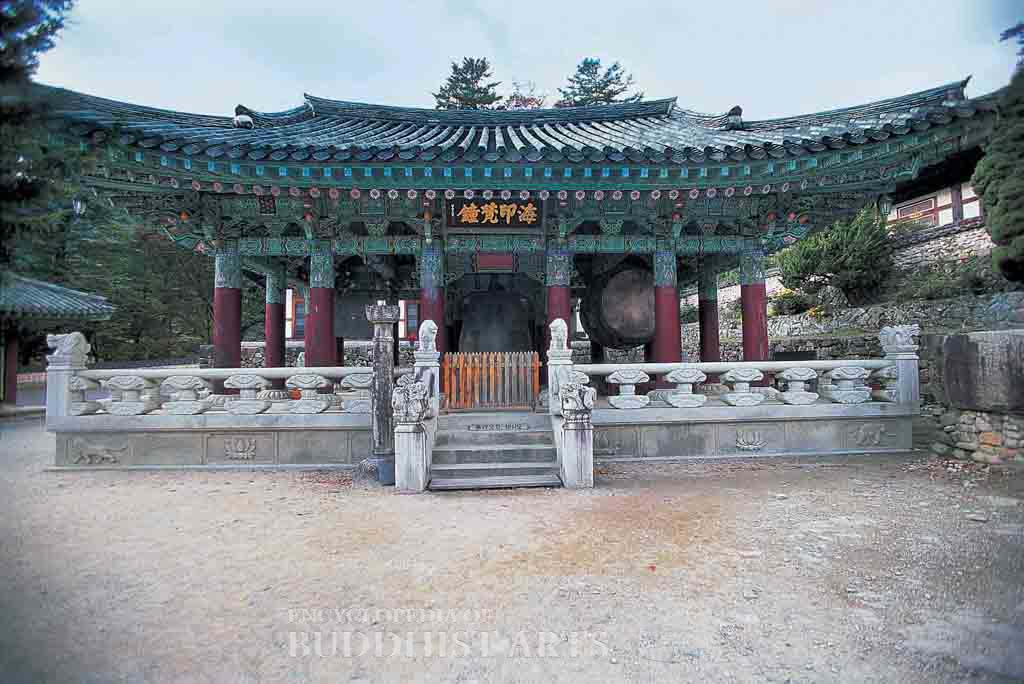
Haeinsa Temple: Bell and Drum Pavilion
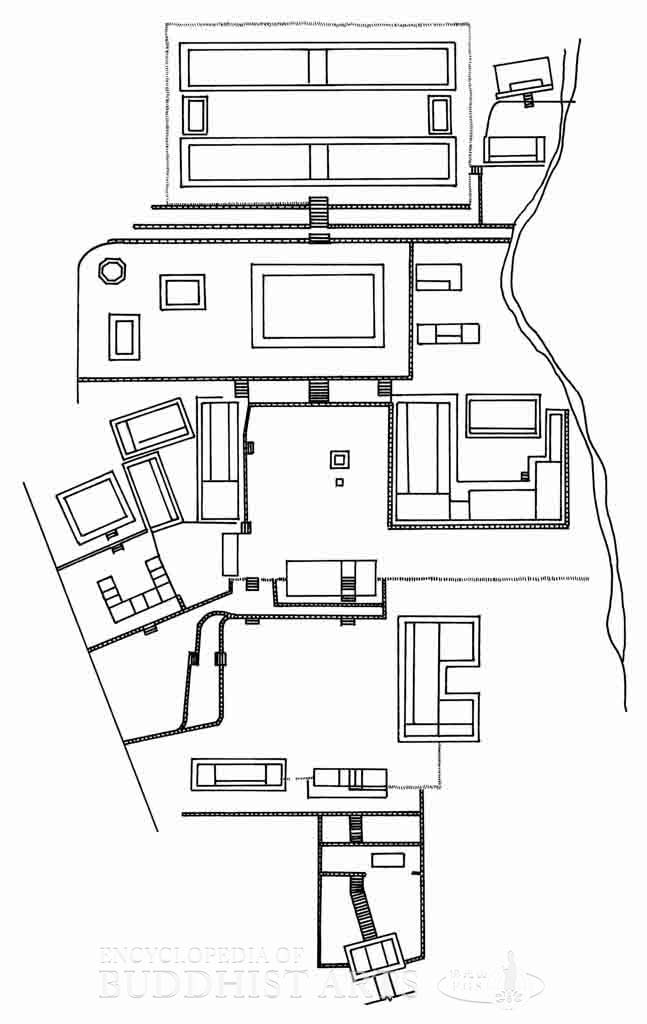
Haeinsa Temple (site layout)
Haeinsa Temple
SOUTH KOREA, South Gyeongsang, Hapcheon
Haeinsa stands for Reflection on the Sea Temple and it is situated at the southwestern foot of Gayasan (Mountain of Buddha’s Enlightenment). It is one of the Three Major Temples of Korea. The temple was established in 802 during the Unified Silla dynasty by Master Suneung and completed by his disciple Ijeong. The expansion of the temple started in 1481 during the Goryeo dynasty and took eight years to complete. The temple has been destroyed by fire a number of times. Most of the existing buildings were reconstructed in the late Joseon dynasty (1392–1910).
Haeinsa Temple was an important center for the Hwaom school, and it is now the head temple for the 12th district of the Jogye order of Korean Seon Buddhism. The temple is notable for housing more than 80,000 wooden printing blocks from the Tripitaka Koreana.
The temple buildings include One Pillar Gate, Phoenix Gate, Gate of Liberation, Nine-Light Building, Arhat Hall, Judgment Hall, Hall of Great Silence and Light, Sutra Hall, and Dharma Jewel Hall.
The five-bay wide Hall of Great Silence and Light is the main hall of the temple and has a single-eave hip-and-gable roof. A statue of Vairocana Buddha carved in 1769 is enshrined within the hall, with Manjusri and Samantabhadra Bodhisattvas on either side. Behind the statues there is a mural of the Assembly on Vulture Peak, which was listed as Treasure No. 1273 in 1997.
The temple houses state-recognized treasures and cultural properties, including a stone Buddha statue from the Unified Silla dynasty, a three-tier stone pagoda, a stone lantern, a stele of royal monk Wongyeong from Panyasa Temple, a stupa and stele dedicated to Master Samyeong, and a bell dated 1491 from the Joseon dynasty. Within the temple there is a museum which organizes and displays Buddhist cultural assets. It is also responsible for introducing, promoting, and researching the Tripitaka Koreana.
For more details, go to the Encyclopedia of Buddhist Arts: Architecture G-L, page 419.
Cite this article:
author = Hsingyun and Youheng and Johnson, Peter and Mankuang and Lancaster, Lewis,
booktitle = {Encyclopedia of Buddhist Arts: Architecture G-L},
pages = 419,
title = {{Haeinsa Temple}},
volume = 2,
year = {2016}}