
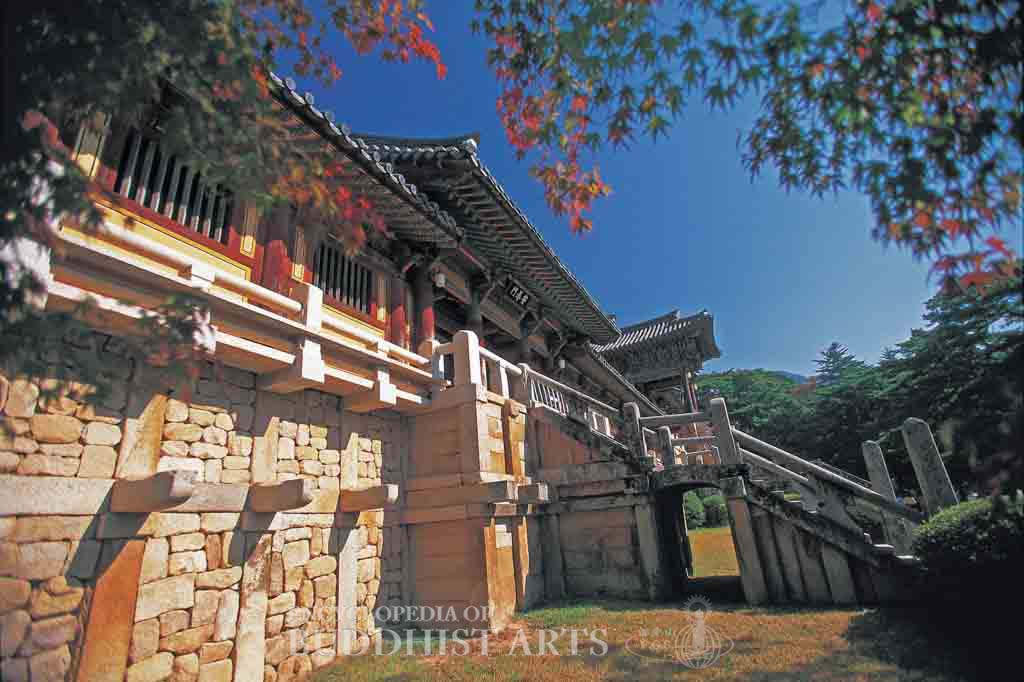
Bulguksa Temple
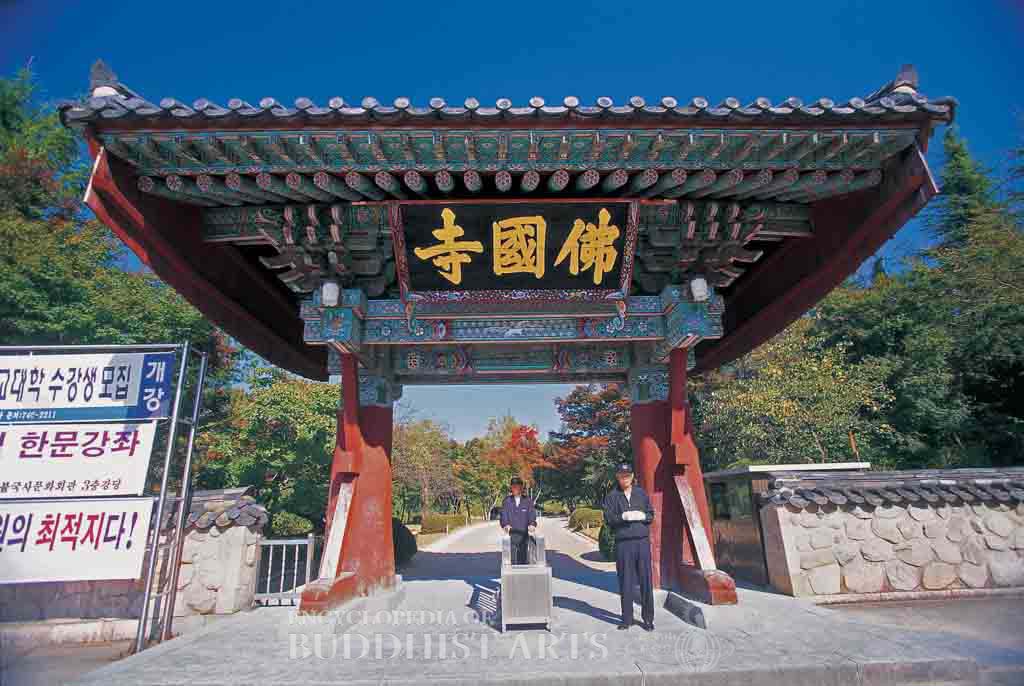
Bulguksa Temple: Main Temple Gate
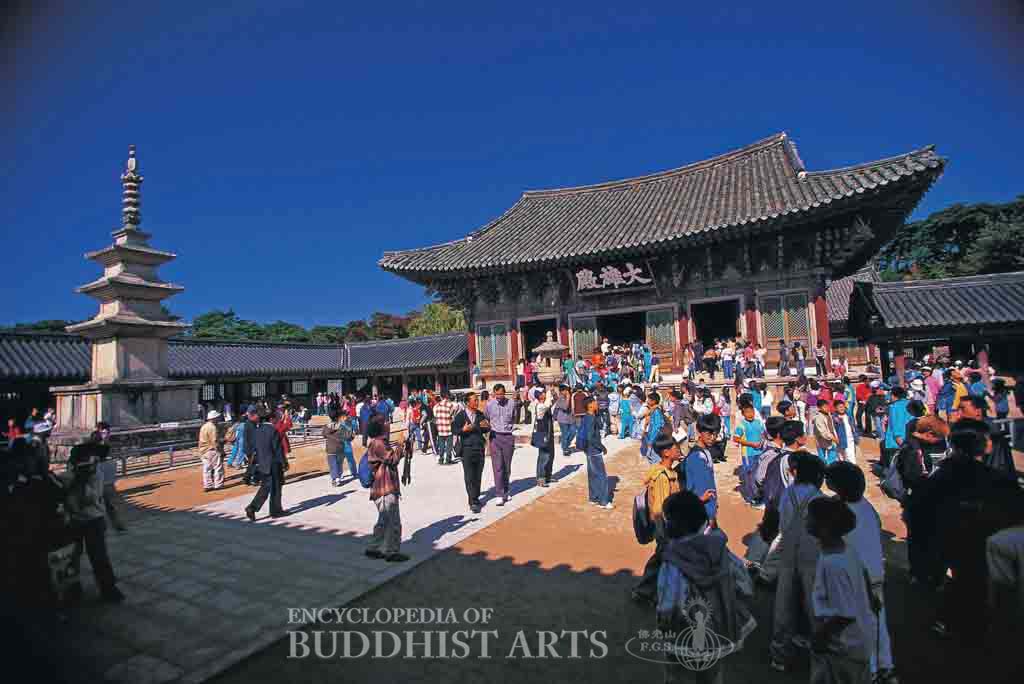
Bulguksa Temple: Great Hero Hall
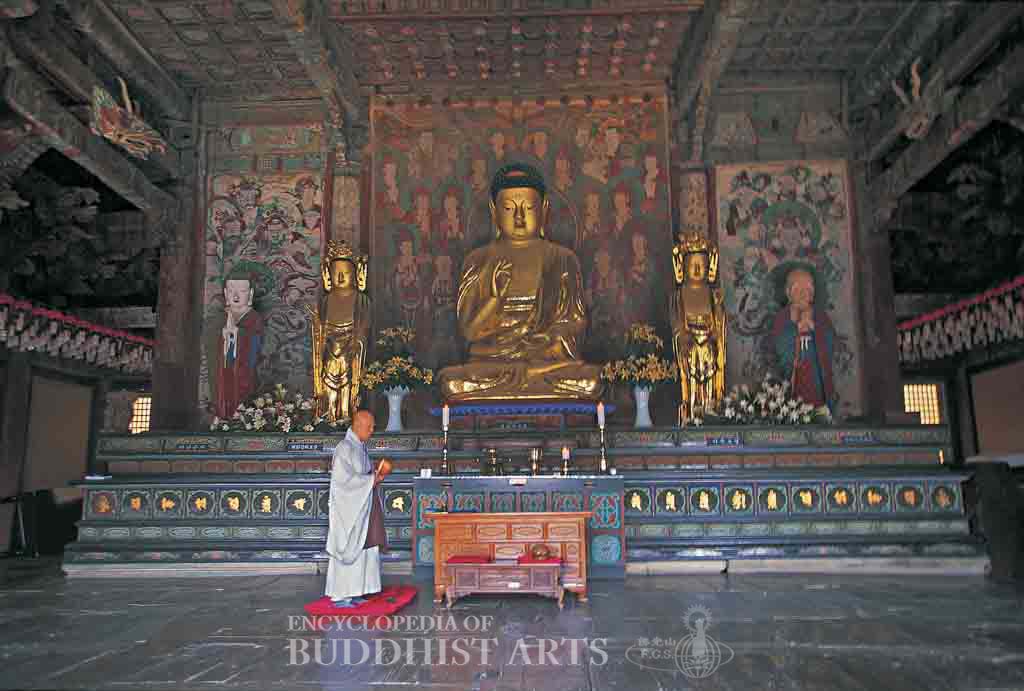
Bulguksa Temple: Great Hero Hall (interior)
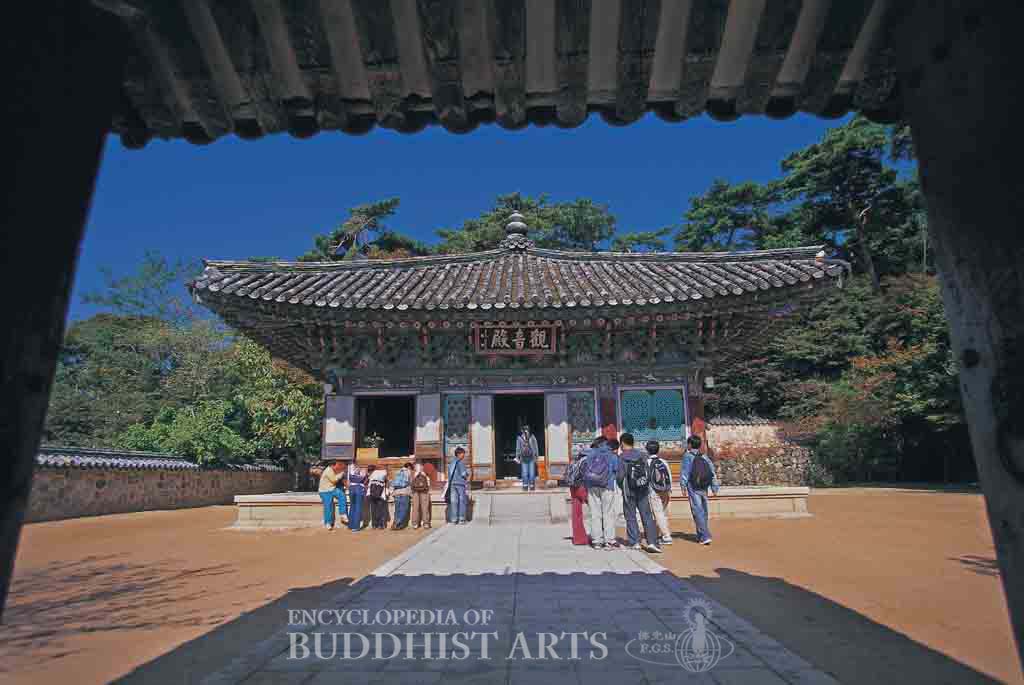
Bulguksa Temple: Avalokitesvara Hall
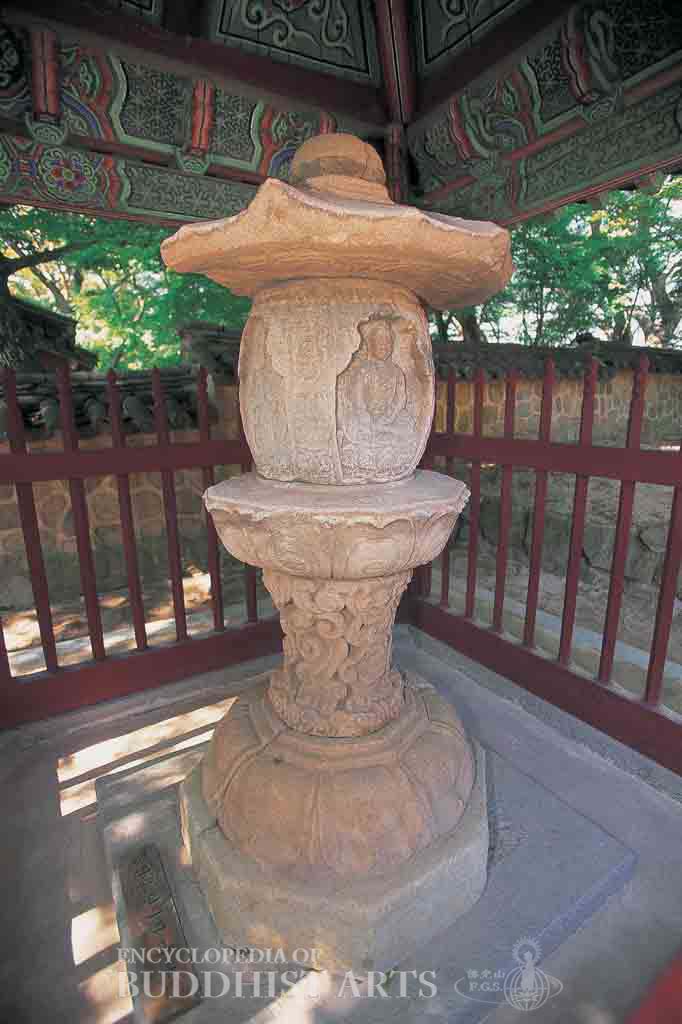
Bulguksa Temple: Stone Stupa
Bulguksa Temple
SOUTH KOREA, North Gyeongsang, Gyeongju
Bulguksa means Temple of the Buddha Land, and the temple is also known as Avatamsaka Bulguksa Temple. Located in the southern foothills of Tohamsan, it is regarded as one of the Three Major Temples in Korea. It now serves as the head temple for the 11th district of the Jogye order of Seon Buddhism. The temple was constructed during the rule of King Beopheung (reigned 514–539). Bulguksa Temple was significantly expanded between 751 and 774 during the Unified Silla dynasty, making it the largest Buddhist temple in the country at the time. Unfortunately most of these structures were destroyed during the Japanese invasions of Korea (1592–1598). A major restoration of the temple took place between 1969 and 1973. The temple was listed as Historic and Scenic Site No. 1 in 1963, and was listed as a UNESCO World Heritage Site in 1995.
The temple faces south and consists of east and west compounds. The Blue Cloud and White Cloud bridges lead to the east compound. Along the central axis starting in the south there are the Mauve Mist Gate, Great Hero Hall, and Hall of No Speech. In front of the Great Hero Hall, there stand the Prabhutaratna Pagoda and Sakyamuni Pagoda, also known as the Shadow and Shadowless Pagodas. Behind the Hall of No Speech there are the Avalokitesvara Hall and Vairocana Hall. The five-by-five-bay Great Hero Hall has a single-eave hip roof. The hall houses statues of the Buddhas of the Past, Present, and Future, with Sakyamuni in the middle, and Maitreya and Kasyapa on the sides.
In the west compound there is another Mauve Mist Gate that leads to the Ultimate Bliss Hall. In front of the gate there are the Lotus Flower and Seven Treasures bridges.
The temple houses a number of state-recognized National Treasures. Stone Buddha statues, stone stupas, and stone lanterns can be found throughout the temple.
For more details, go to the Encyclopedia of Buddhist Arts: Architecture A-F, page 104.
Cite this article:
author = Hsingyun and Youheng and Johnson, Peter and Mankuang and Lancaster, Lewis,
booktitle = {Encyclopedia of Buddhist Arts: Architecture A-F},
pages = 104,
title = {{Bulguksa Temple}},
volume = 1,
year = {2016}}