
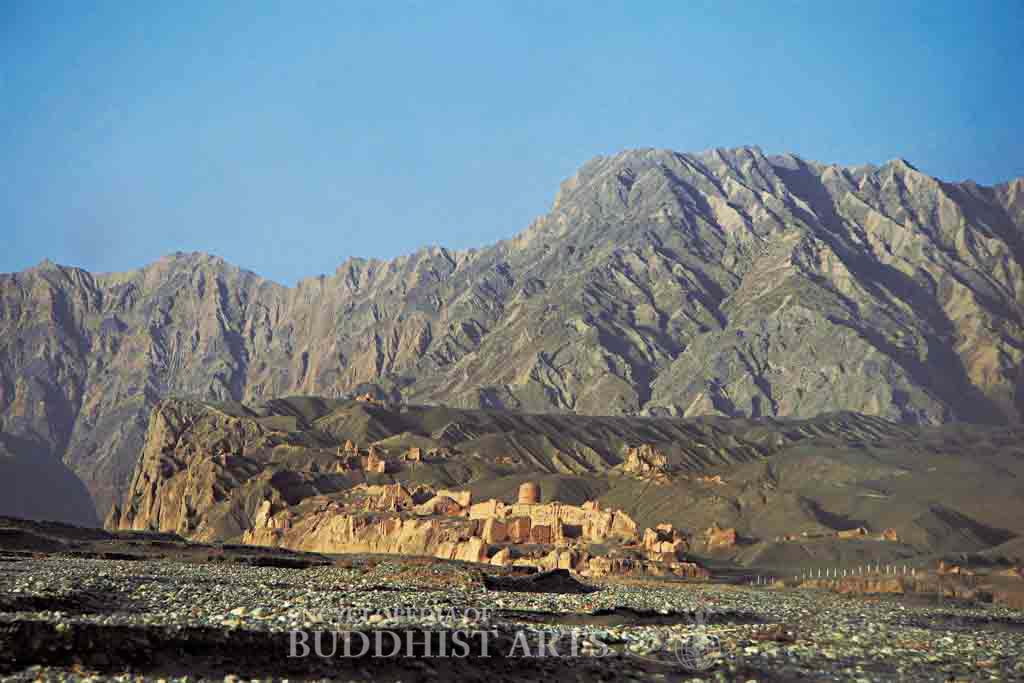
Subashi Monastery
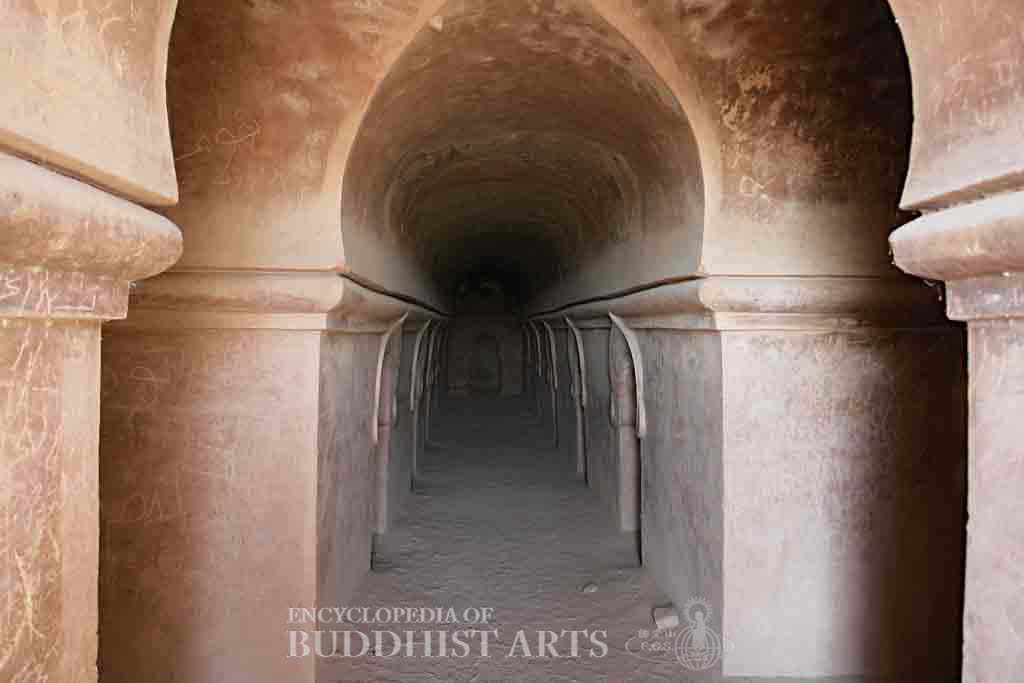
Subashi Monastery: Meditation Cave (interior)
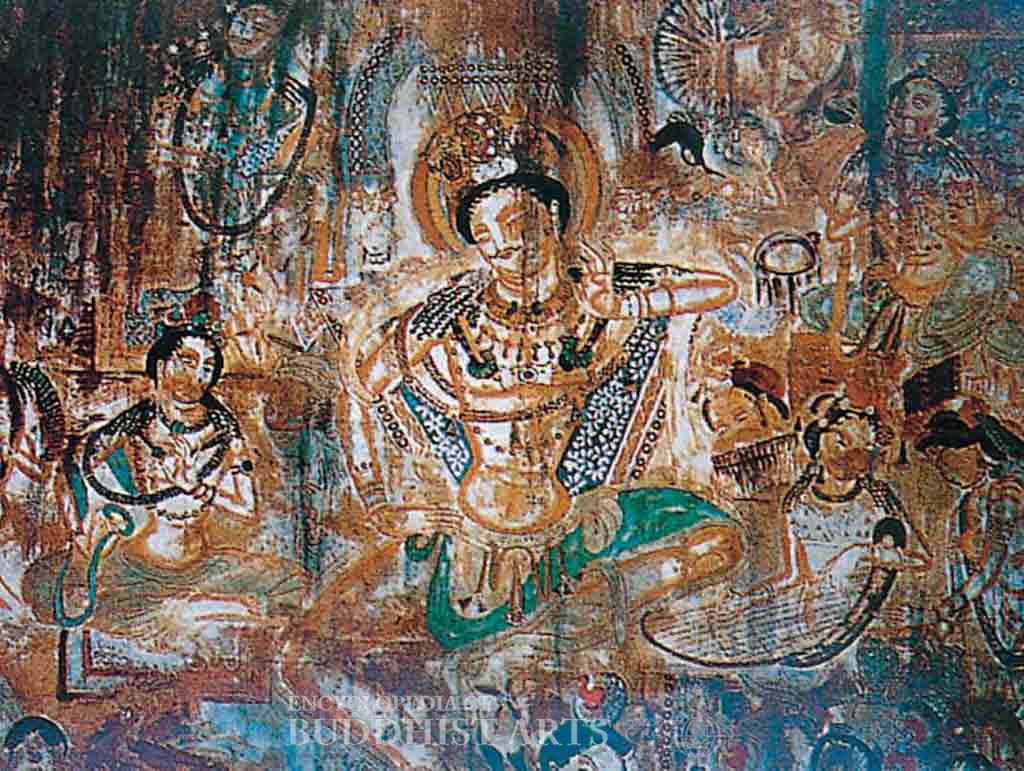
Subashi Monastery: Eastern Temple - Life of the Buddha
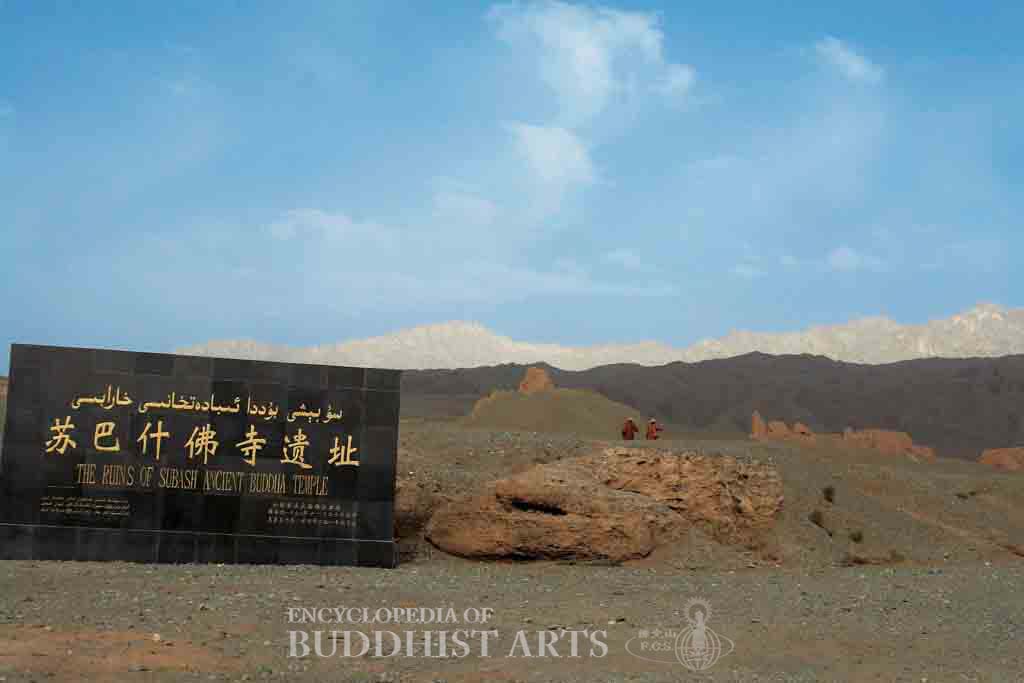
Subashi Monastery
Subashi Monastery
CHINA, Xinjiang, Aksu
Subashi Monastery is located 20 km northeast of Kucha. It was built around the 2nd century and was the Buddhist center of Kucha from the Jin (265–420) to the Tang (618–907) dynasty. There is no record of when the temple was abandoned. The temple ruins were listed as a National Cultural Heritage Site in 1996.
In the past Kucha was a large kingdom west of China and present day Kucha was its capital. There are no records regarding the establishment of Buddhism in Kucha. In his writings, King Asoka (reigned circa 269–232 BCE) of Maurya stated that Buddhism was already being practiced in Kucha during his time. Buddhist texts also record that Buddhism was popular in Kucha during the 3rd century. At the beginning of the 7th century, Master Xuanzang saw flourishing Buddhist temples in Kucha during his journey to India.
The large-scale Buddhist temple ruins are distributed over mounds on the east and west banks of the Kucha River. The stupas and walls of the temples are built using rammed earth and adobe. The ruins of the Eastern Temple are located on a narrow plateau within a river valley It consists of a Buddha hall, the monastic quarters, and the north, central, and south stupas.
The ruins of the Western Temple occupy a larger area. The main structures include the three stupas located in the north, center, and south, as well as a temple compound in the south. Caves with partially damaged Kucha inscriptions and murals are to the north and south of the north stupa. There are five meditation caves north of the Western Temple. The middle sections of the corridors, which are the necks of the caves, are narrow with protruding corbels. The niches in the meditation caves have an ogee arch shape with flame patterns, which is a unique feature of Kucha.
Various artifacts have been unearthed at this historic site, providing valuable resources for the study of Kuchean history, art, and Buddhism.
For more details, go to the Encyclopedia of Buddhist Arts: Architecture M-S, page 1055.
Cite this article:
author = Hsingyun and Youheng and Johnson, Peter and Mankuang and Lancaster, Lewis,
booktitle = {Encyclopedia of Buddhist Arts: Architecture M-S},
pages = 1055,
title = {{Subashi Monastery}},
volume = 3,
year = {2016}}