
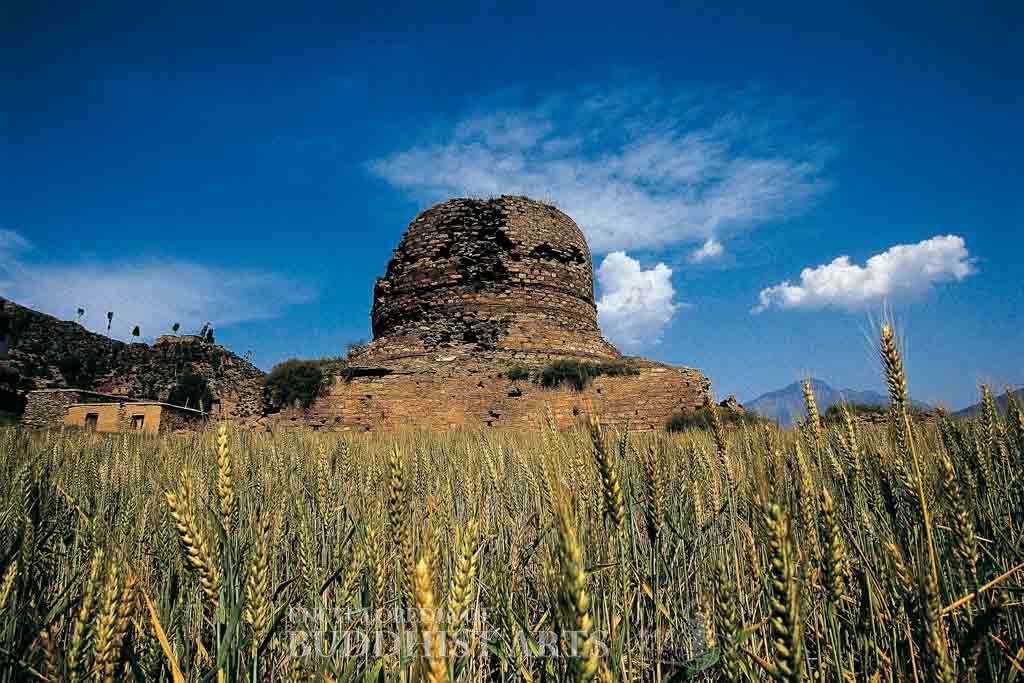
Gandhara
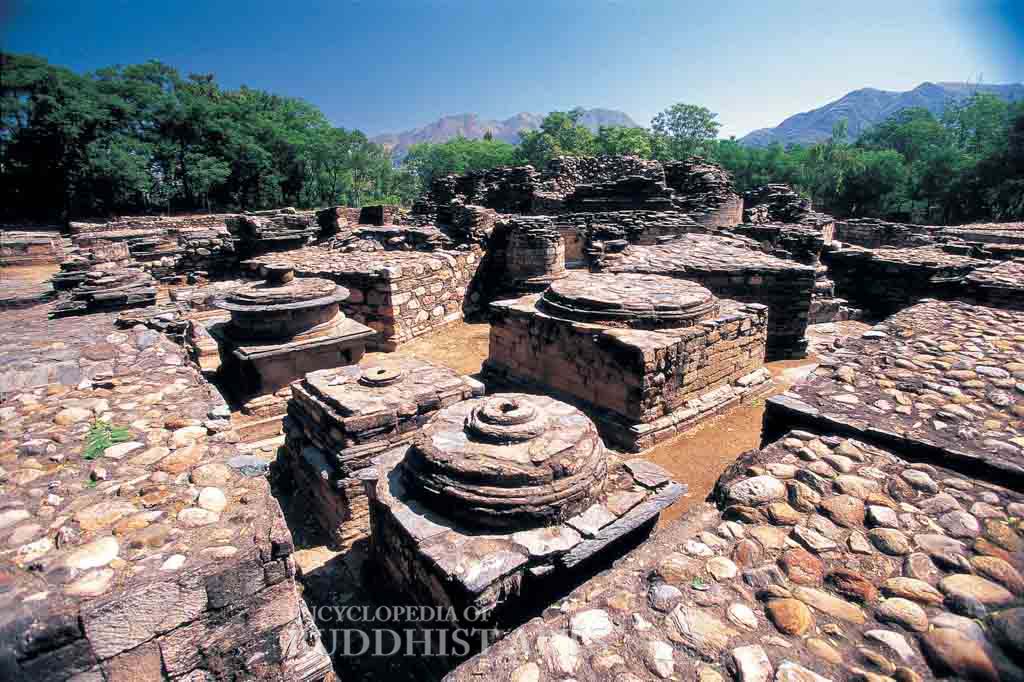
Gandhara: Butkara I
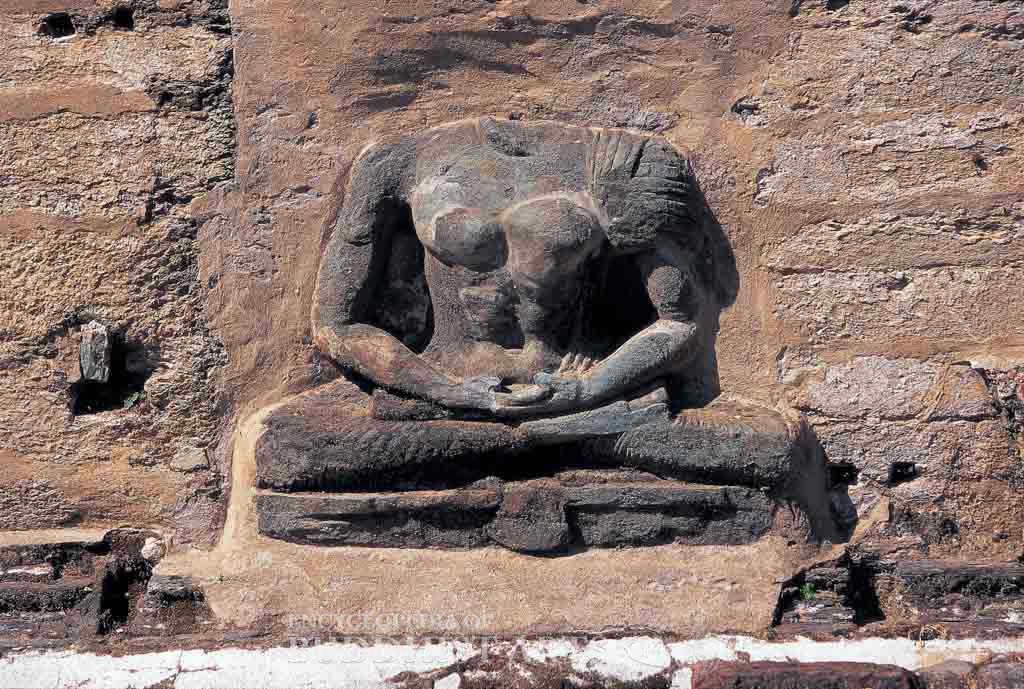
Gandhara: Butkara I - Seated Buddha
Gandhara
PAKISTAN
Gandhara occupied an area that included present day Peshawar and territory covering over 100 km in each direction. It reached as far as Hadda in Afghanistan to the west, Islamabad to the east, and Swat to the north. Peshawar became the major city of a small Greek-ruled kingdom in the upper Indus River basin established by Alexander the Great during the 4th century BCE. King Kujula Kadphises (reigned circa 30–80) of Kushan conquered much of this region in the middle of the 1st century. His great grandson and third successor, King Kaniska (reigned circa 129–160), actively promoted Buddhism. He assigned Peshawar as the capital of his empire. Gandhara subsequently developed in a multi-ethnic, multi-cultural environment.
The Archaeological Survey of India started their survey of Gandhara in 1862. They excavated a stupa base which measured 87 m on each side at the site of the ruins in Shahji Ki Dheri to the southeast, and discovered the famous reliquary of King Kaniska. They also discovered the renowned ruins of the Dharmarajika Stupa, Mankiala Stupa (near Rawalpindi), Butkara (in Swat), Takht-i-Bahi (northwest of Mardan), and other temple and stupa ruins. All are witnesses to the grand era of the Kushan Empire (circa 1st–3rd century). Archaeologists from Italy, Japan, Iran, and Germany came to Gandhara after Pakistan gained independence in 1947. Their findings are kept in the Lahore Museum and Peshawar Museum.
The most common archaeological finds in Gandhara are schist statues. Other statues are made of white limestone, clay, and bronze. Most relief carvings depict the Life of the Buddha and the Jataka tales. The reliefs had over 100 themes. The sculpting of the Buddha statues began in late 1st century. The features and costumes of the statues are reminiscent of Greco-Roman deities: layered garments that feel heavy, intricate jewelry on the chests of Bodhisattvas, and headdresses together with various hair styles. The figures wear bracelets and armlets. Most have nimbuses behind their heads. Gandharan sculpture is considered to be in a Greco-Buddhist style with its own distinct characteristics.
For more details, go to the Encyclopedia of Buddhist Arts: Architecture G-L, page 355.
Cite this article:
author = Hsingyun and Youheng and Johnson, Peter and Mankuang and Lancaster, Lewis,
booktitle = {Encyclopedia of Buddhist Arts: Architecture G-L},
pages = 355,
title = {{Gandhara}},
volume = 2,
year = {2016}}