
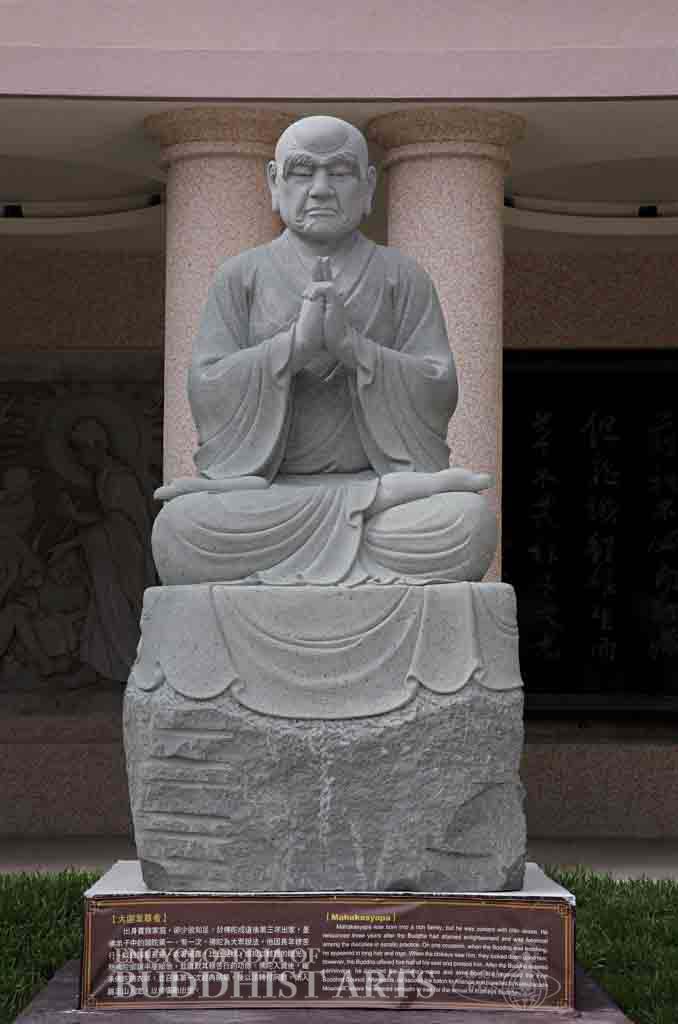
Fo Guang Shan Buddha Memorial Center: Eighteen Arhats - Mahakasyapa
Stone
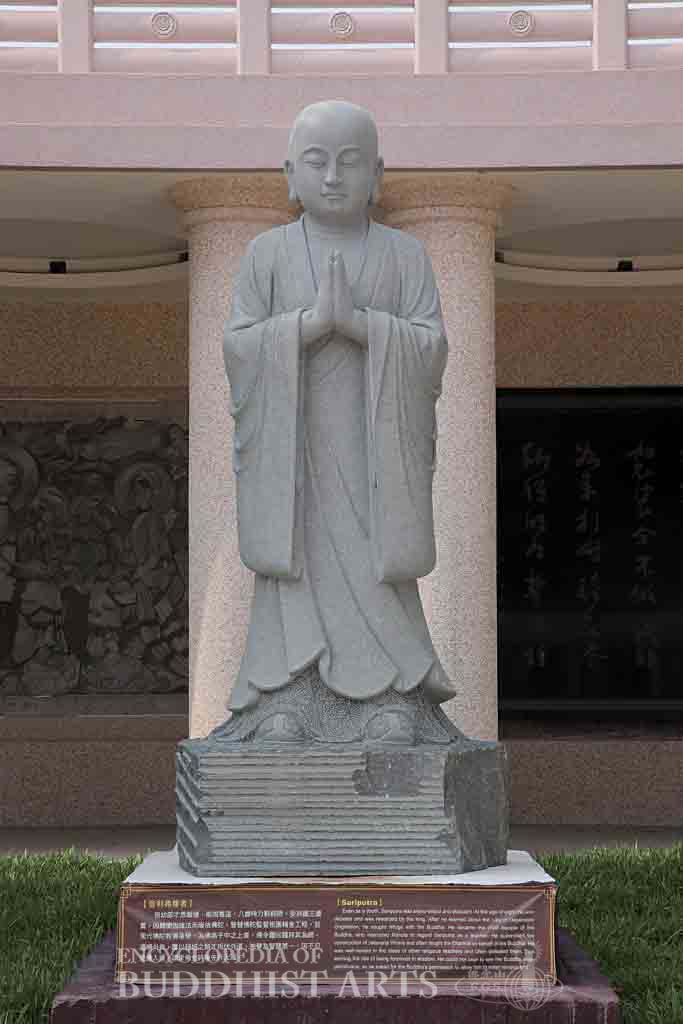
Fo Guang Shan Buddha Memorial Center: Eighteen Arhats - Sariputra
Stone
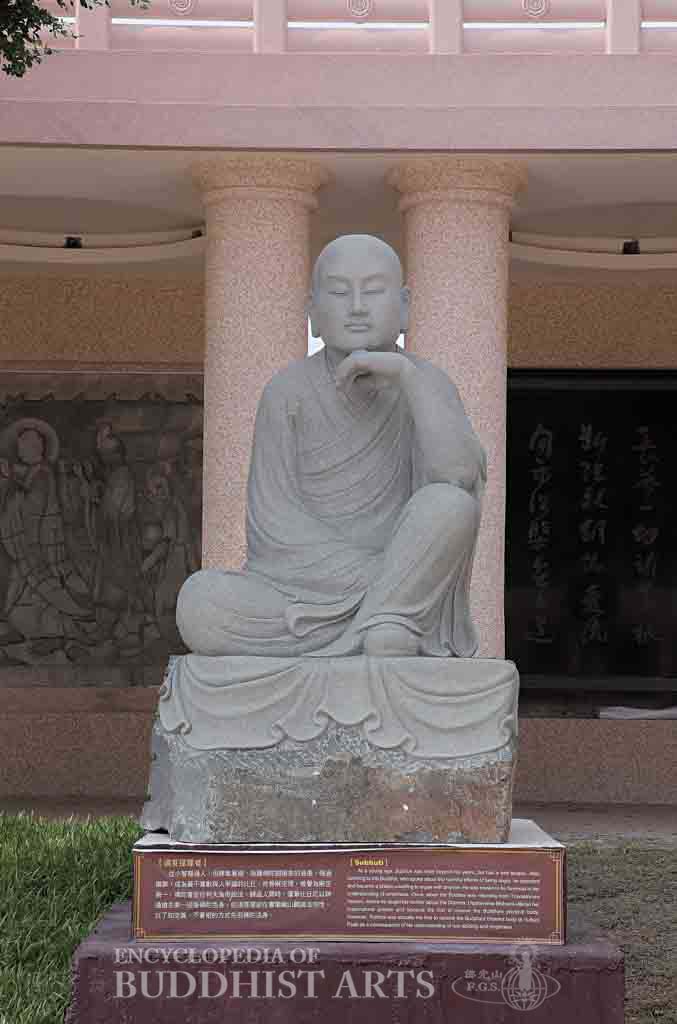
Fo Guang Shan Buddha Memorial Center: Eighteen Arhats - Subhuti
Stone
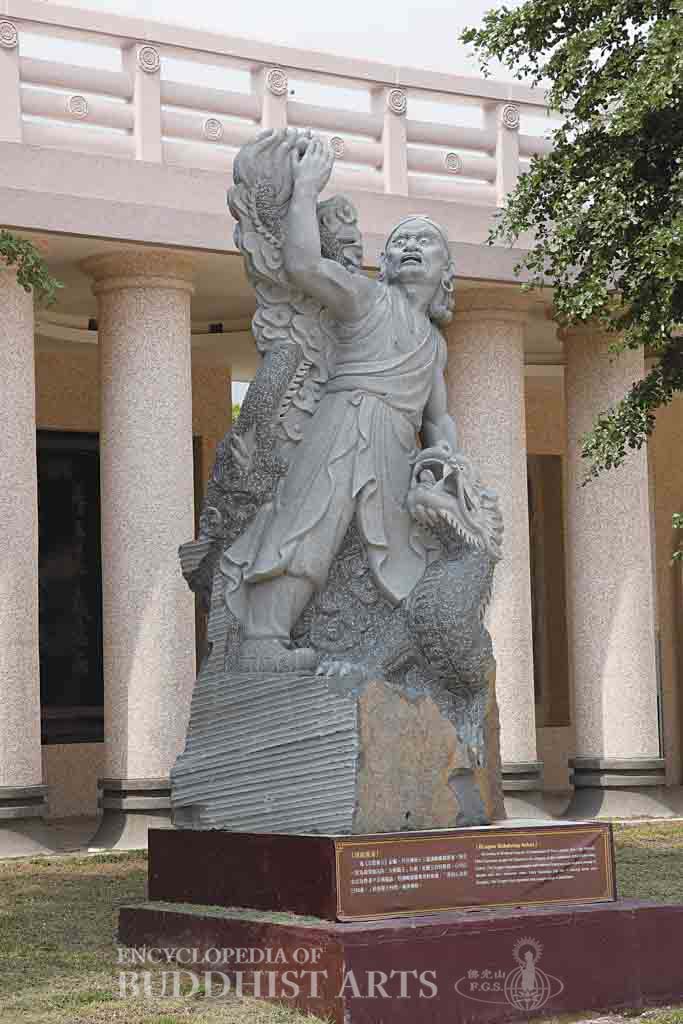
Fo Guang Shan Buddha Memorial Center: Eighteen Arhats - Dragon-Subduing Arhat
Stone
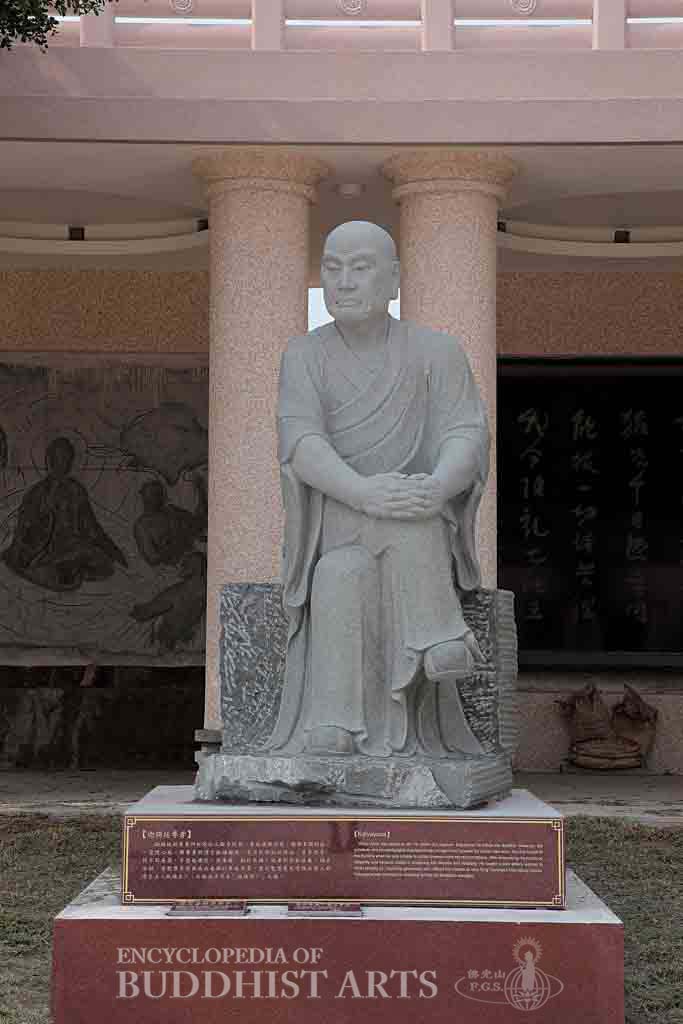
Fo Guang Shan Buddha Memorial Center: Eighteen Arhats - Katyayana
Stone
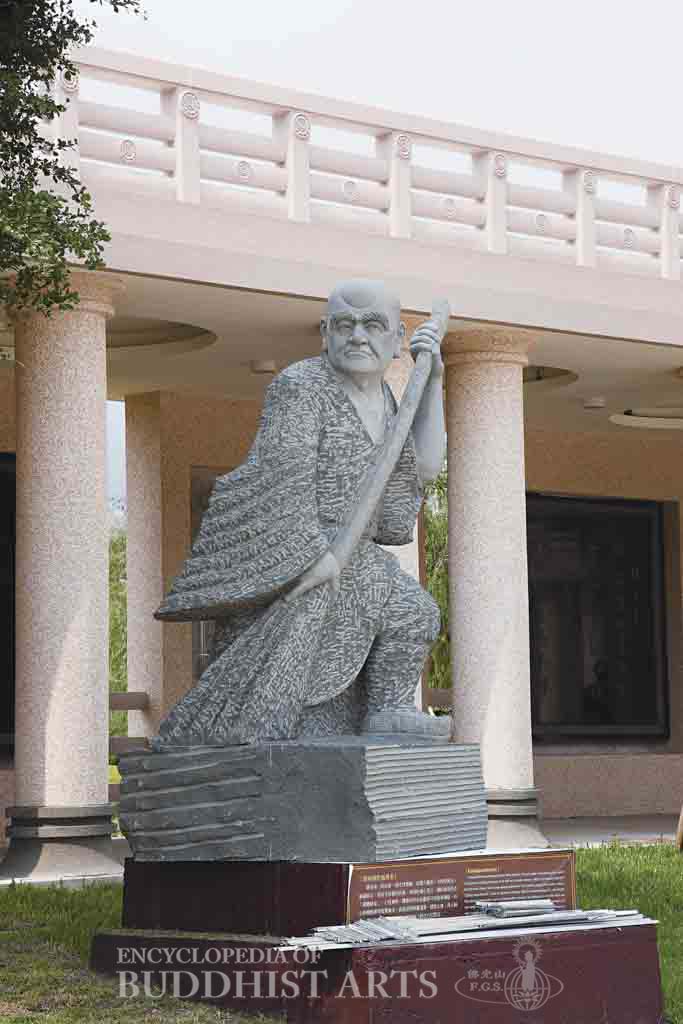
Fo Guang Shan Buddha Memorial Center: Eighteen Arhats - Cudapanthaka
Stone
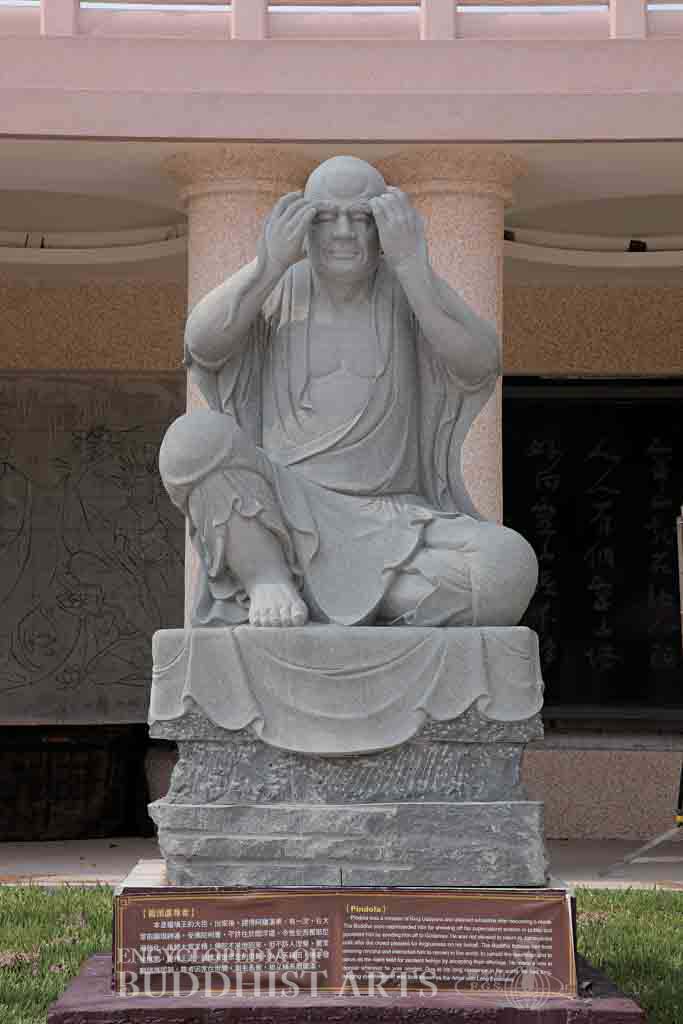
Fo Guang Shan Buddha Memorial Center: Eighteen Arhats - Pindola
Stone
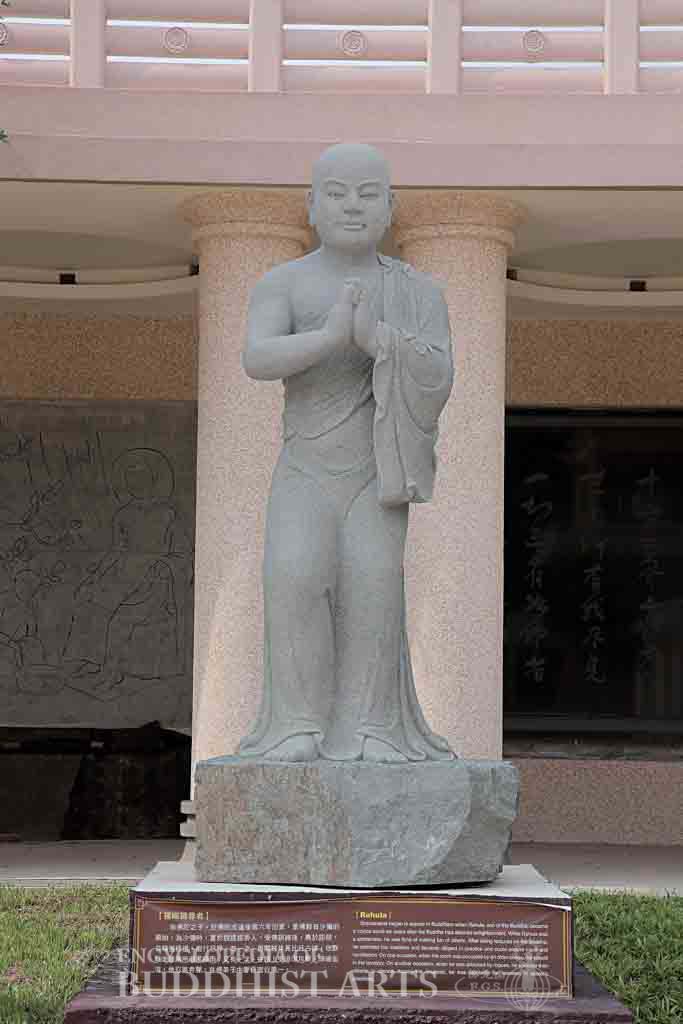
Fo Guang Shan Buddha Memorial Center: Eighteen Arhats - Rahula
Stone
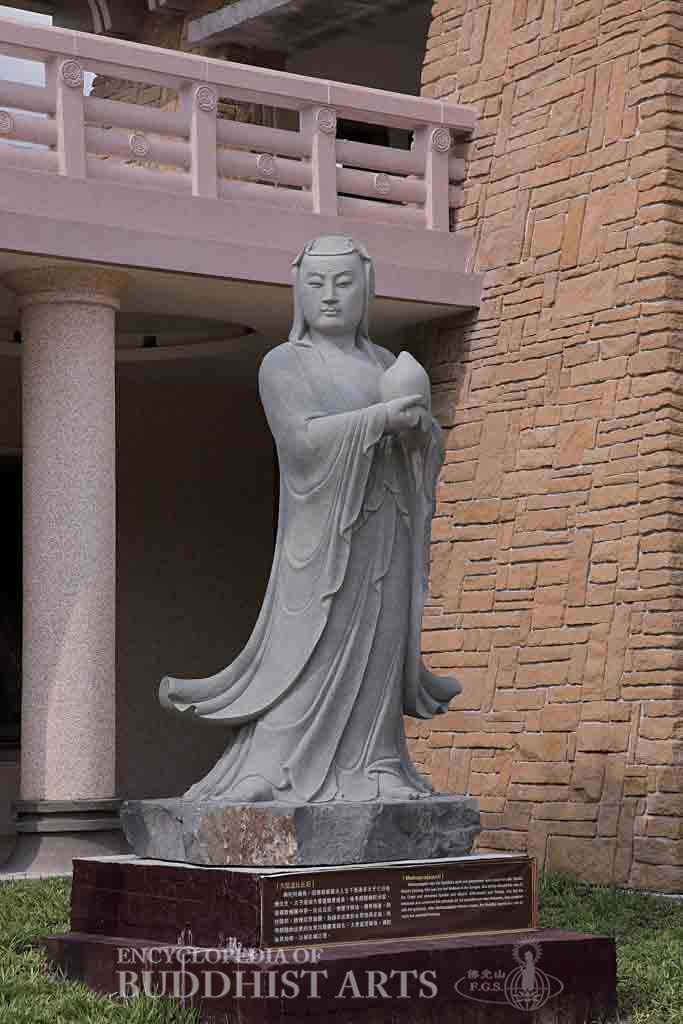
Fo Guang Shan Buddha Memorial Center: Eighteen Arhats - Mahaprajapati Bhiksuni
Stone
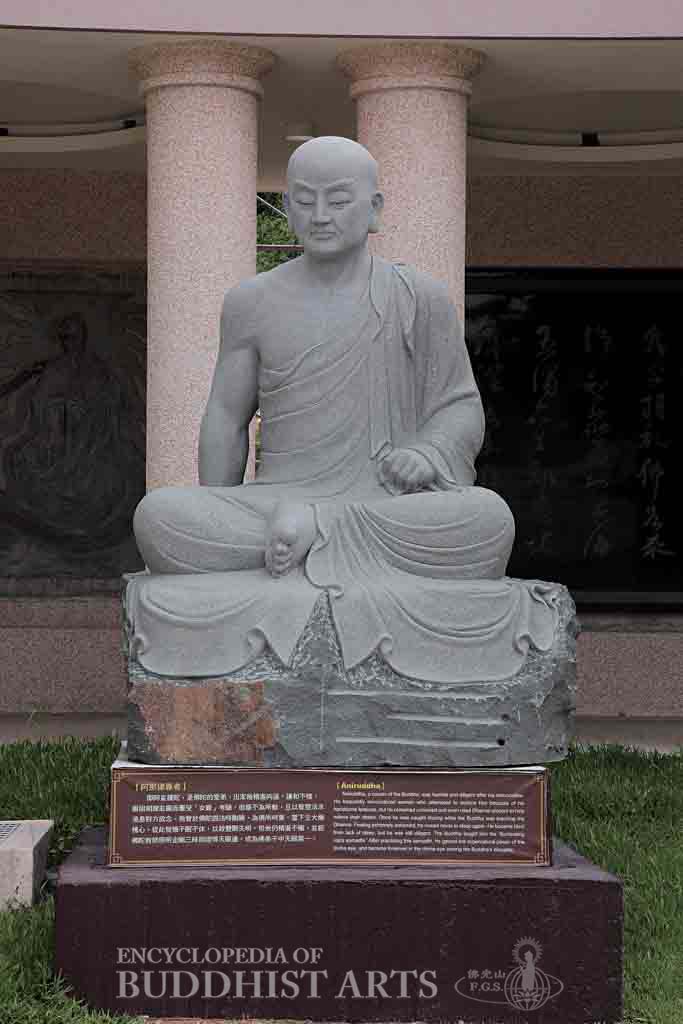
Fo Guang Shan Buddha Memorial Center: Eighteen Arhats - Aniruddha
Stone
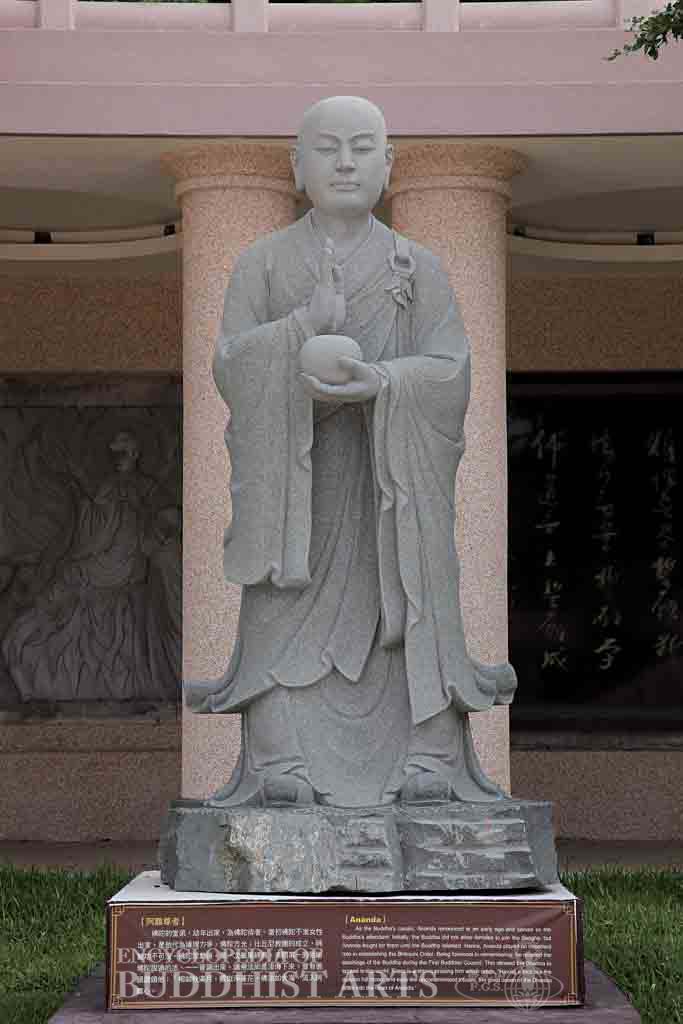
Fo Guang Shan Buddha Memorial Center: Eighteen Arhats - Ananda
Stone
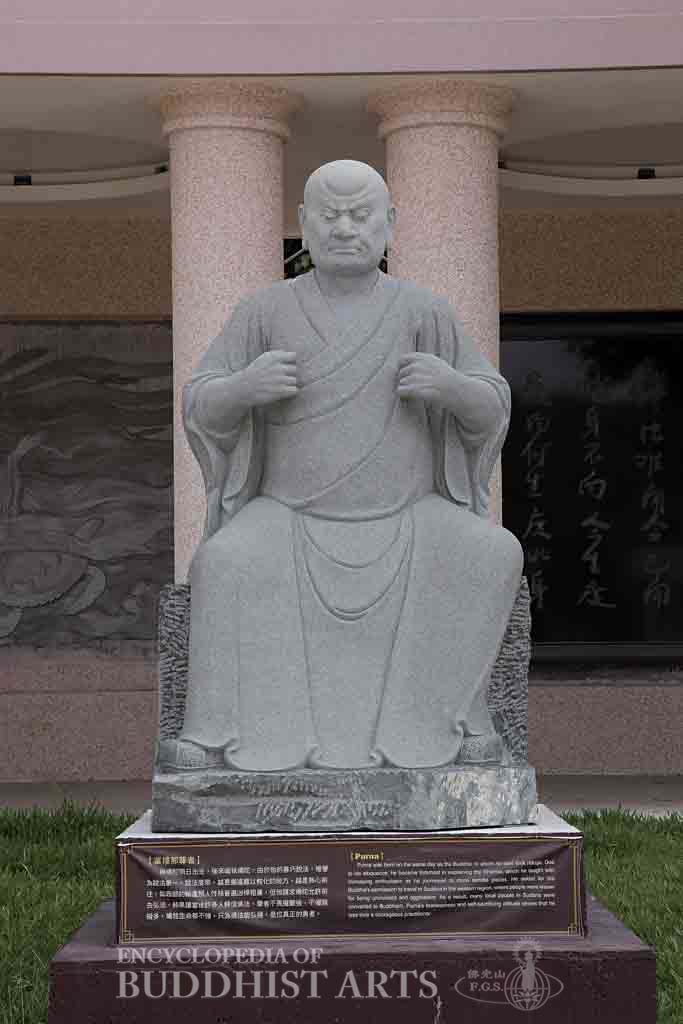
Fo Guang Shan Buddha Memorial Center: Eighteen Arhats - Purna
Stone
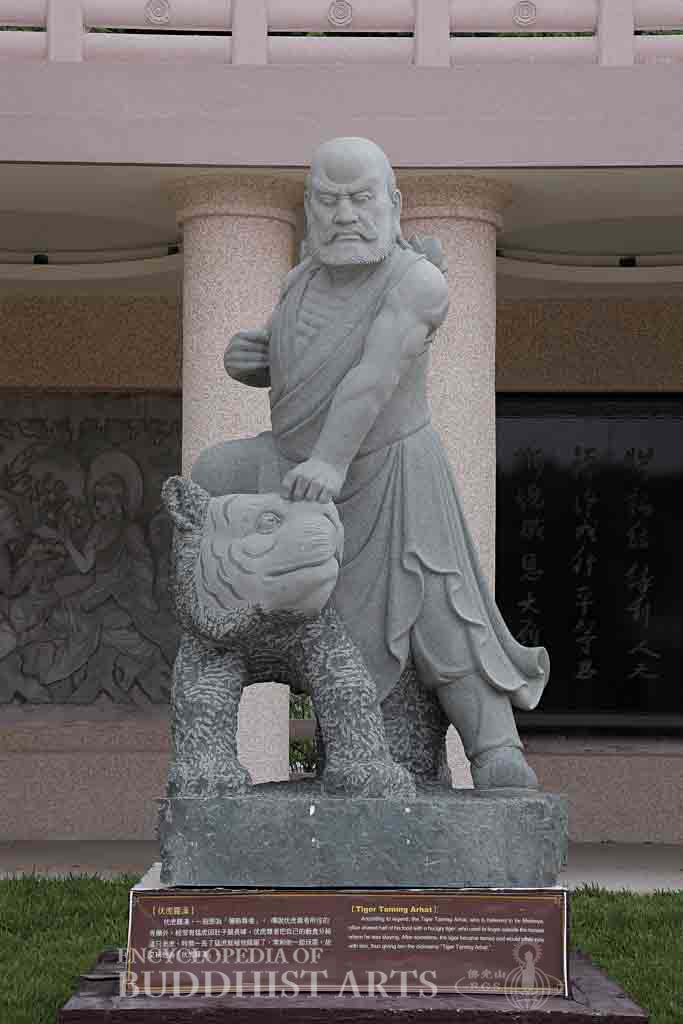
Fo Guang Shan Buddha Memorial Center: Eighteen Arhats - Tiger-Taming Arhat
Stone
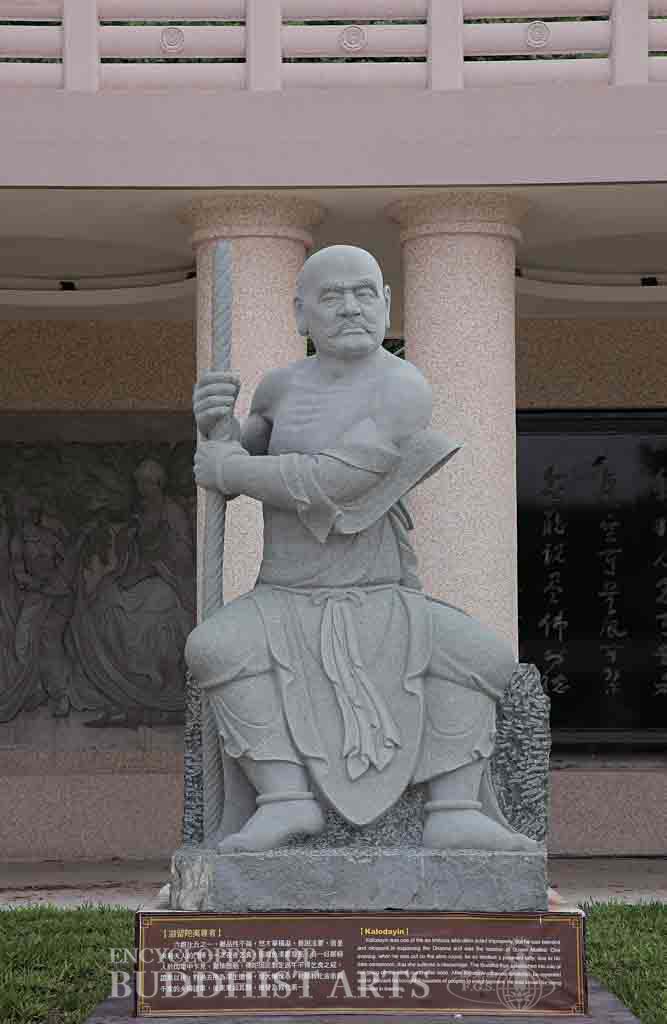
Fo Guang Shan Buddha Memorial Center: Eighteen Arhats - Kalodayin
Stone
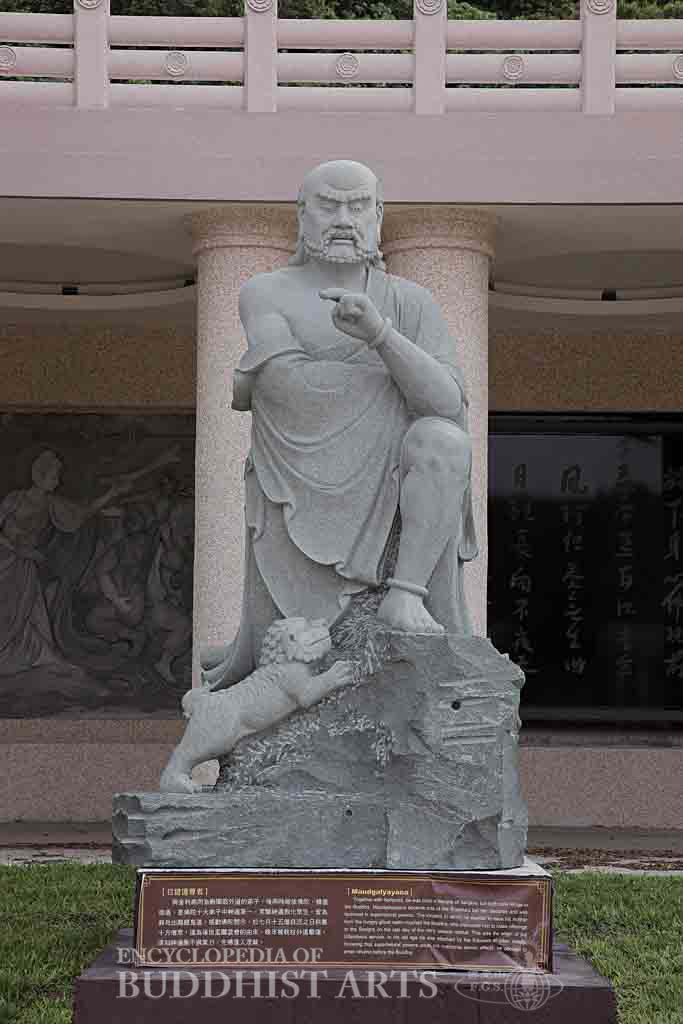
Fo Guang Shan Buddha Memorial Center: Eighteen Arhats - Maudgalyayana
Stone
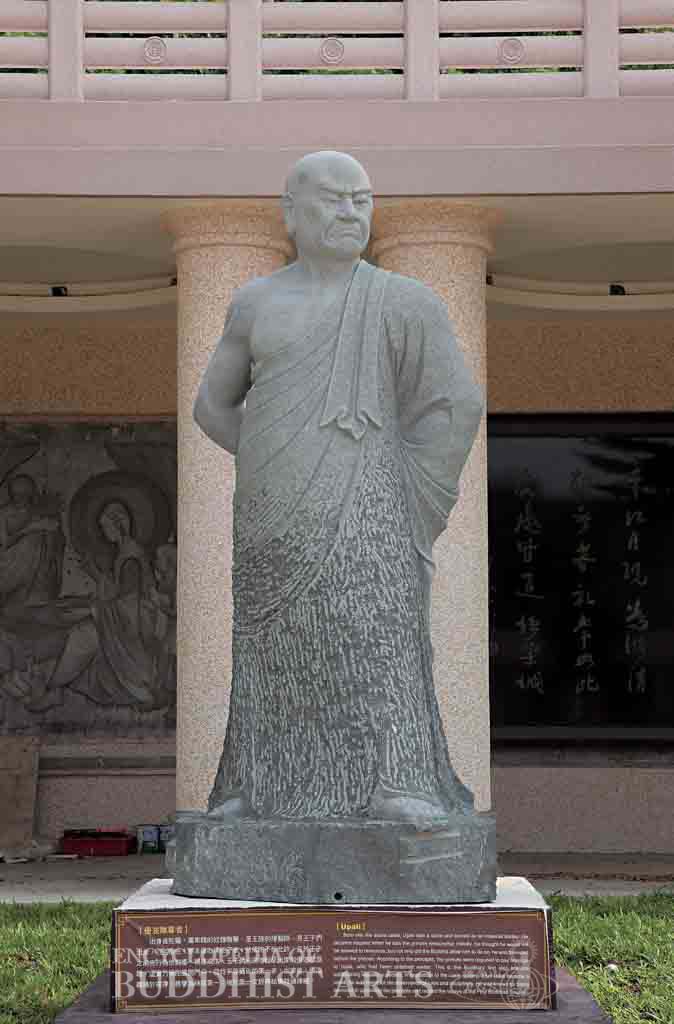
Fo Guang Shan Buddha Memorial Center: Eighteen Arhats - Upali
Stone
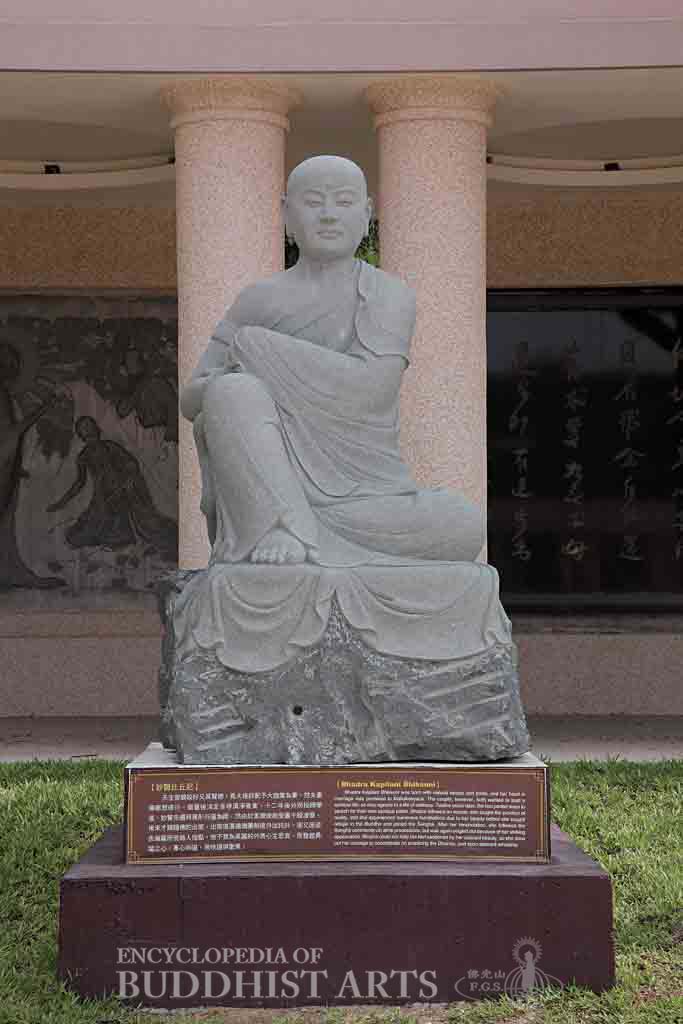
Fo Guang Shan Buddha Memorial Center: Eighteen Arhats - Bhadra Kapilani Bhiksuni
Stone
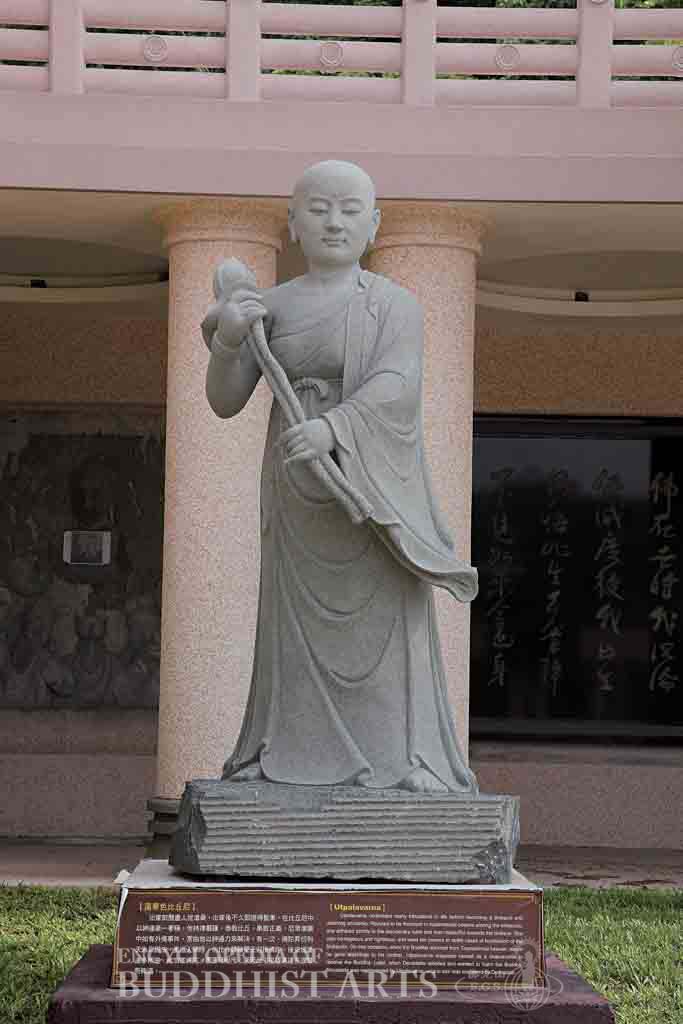
Fo Guang Shan Buddha Memorial Center: Eighteen Arhats - Utpalavarna Bhiksuni
Stone
Fo Guang Shan Buddha Memorial Center: Eighteen Arhats
TAIWAN, Kaohsiung
These statues are located along the sides of the Bodhi Wisdom Concourse. They were designed by the Taiwanese sculptor Wu Jung-Tzu under the guidance of Master Hsing Yun. The Arhats along the right are led by Mahakasyapa, who is followed by Sariputra, Subhuti, the Dragon-Subduing Arhat, Katyayana, Cudapanthaka, Pindola, Rahula, and Mahaprajapati Bhiksuni. The nine figures on the left are led by Aniruddha and followed by Ananda, Purna, the Tiger-Taming Arhat, Kalodayin, Maudgalyayana, Upali, Bhadra Kapilani Bhiksuni, and Utpalavarna Bhiksuni.
They include the Ten Great Disciples of Sakyamuni Buddha, some Arhats mentioned in the Amitabha Sutra, as well as the well known but unnamed Dragon-Subduing and Tiger-Taming Arhats often mentioned in Chinese Buddhism. The set is unique in that it includes three female Arhats not previously seen in any set of Eighteen Arhats: Mahaprajapati, Bhadra Kapilani, and Utpalavarna. Master Hsing Yun requested their inclusion, not only in recognition of their contributions to monastic development, but also to highlight equality in Buddhism.
The expressions on each statue vary, from compassion to sternness, while their poses also vary. Some sit, some stand, some hold objects in their hands while others are in action. Subhati, for example, sits in contemplation, while the Dragon-Subduing Arhat battles with a dragon, Cudapanthaka is sweeping the floor, and the Buddha’s attendant, Ananda, holds an alms bowl.
For more details, go to the Encyclopedia of Buddhist Arts: Sculpture A-F, page 333.
Cite this article:
author = Hsingyun and Youheng and Lovelock, Yann and Chou, Yuan and Huntington, Susan and Edson, Gary and Neather, Robert,
booktitle = {Encyclopedia of Buddhist Arts: Sculpture A-F},
pages = 333,
title = {{Fo Guang Shan Buddha Memorial Center: Eighteen Arhats}},
volume = 10,
year = {2016}}